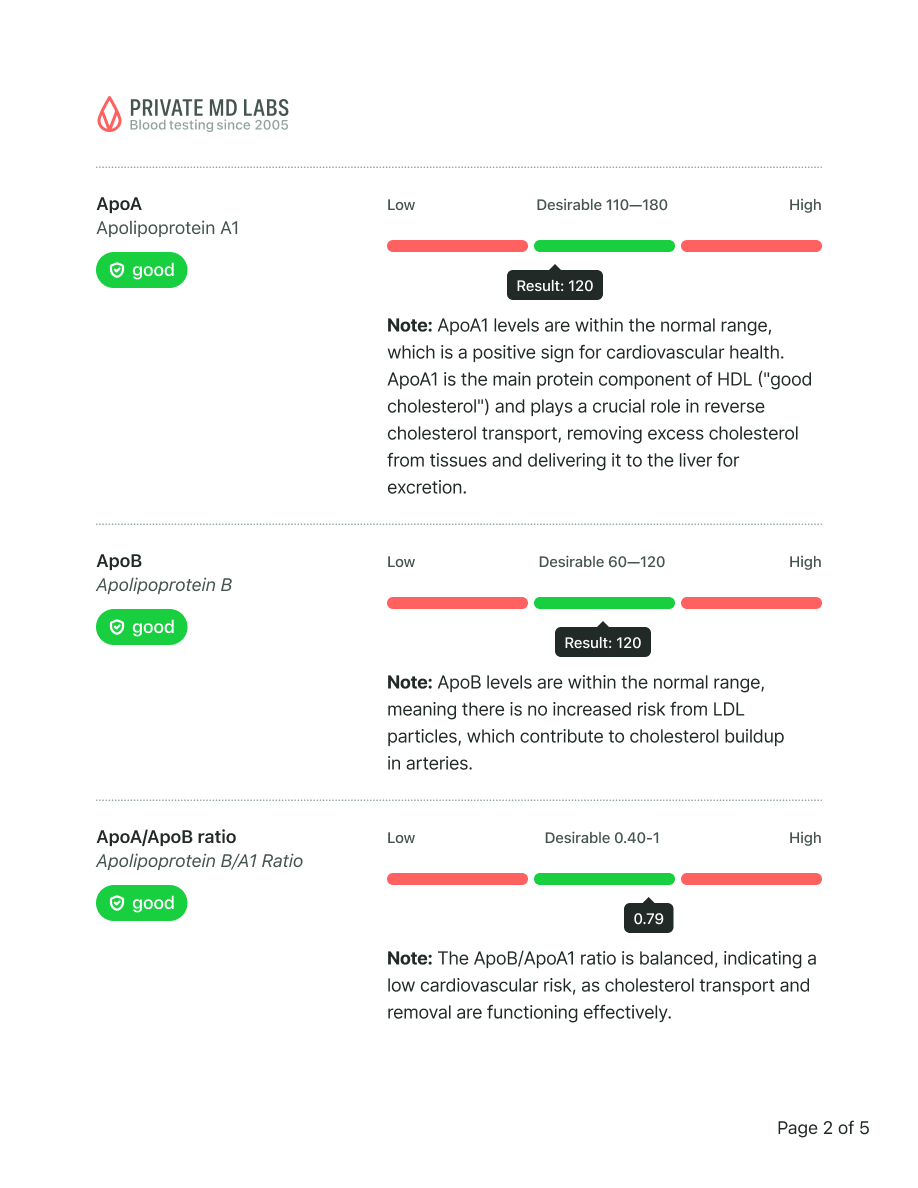
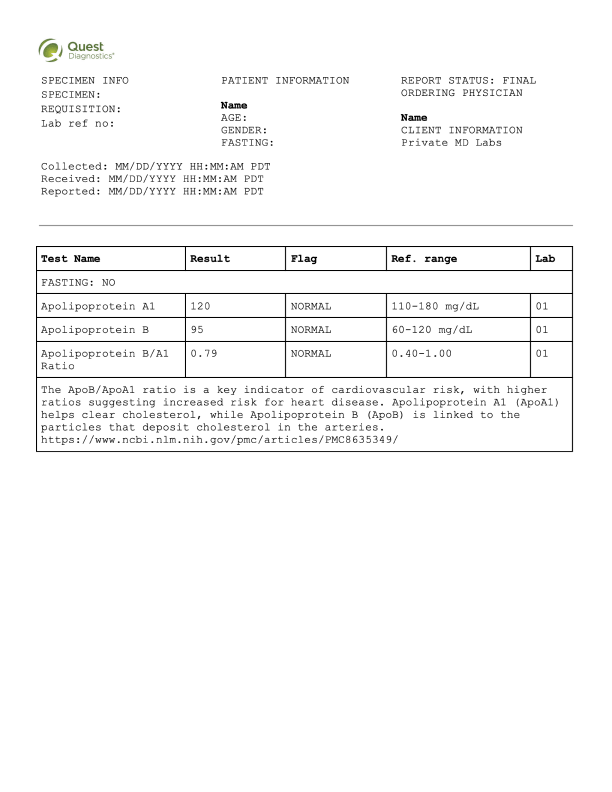
Sample results
Vitamin E toxicity is a rare condition that occurs when excessive amounts of vitamin E accumulate in the body. It is caused by taking high-dose vitamin E supplements over extended periods, leading to elevated tocopherol levels in the blood. The Vitamin E (Tocopherol) blood test is the most important test for diagnosis as it directly measures serum vitamin E levels.
Vitamin E toxicity is caused by taking high doses of vitamin E supplements over extended periods. While vitamin E from food sources rarely causes problems, supplements containing 400 IU or more daily can lead to accumulation of tocopherols in body tissues. Fat-soluble vitamins like vitamin E are stored in the body rather than excreted, making it possible to build up toxic levels when supplementation exceeds recommended amounts for weeks or months.
The Vitamin E (Tocopherol) blood test is the most important test for vitamin E toxicity because it directly measures serum levels of alpha, beta, and gamma tocopherol in your blood. Elevated Beta Gamma Tocopherol levels combined with symptoms like nausea, fatigue, or bleeding tendencies confirm the diagnosis. This test is essential when you have a history of taking high-dose vitamin E supplements and are experiencing unexplained symptoms, as it provides concrete evidence of excessive vitamin E accumulation in your system.
You should get tested if you have been taking vitamin E supplements at doses above 400 IU daily for several weeks or months and experience symptoms like unexplained nausea, diarrhea, stomach cramps, unusual fatigue, weakness, or easy bruising and bleeding. Testing is especially important if you are taking blood thinners or have bleeding disorders, as vitamin E can interfere with blood clotting. If you notice any unusual symptoms while taking high-dose vitamin E supplements, getting tested promptly can prevent more serious complications.
What this means
Your testosterone levels are slightly below the optimal range. While this is not necessarily cause for concern, it may contribute to occasional fatigue, reduced motivation, or lower muscle mass over time.
Recommended actions
Increase resistance or strength training
Prioritize 7–8 hours of quality sleep per night, try to reduce stress
Include more zinc- and magnesium-rich foods (like shellfish, beef, pumpkin seeds, spinach)
Consider retesting in 3–6 months
Not overhyped or overpriced. Just comprehensive blood testing made simple and for everyone.
Sample results
Your 24/7 Lab Guide
Quick questions: