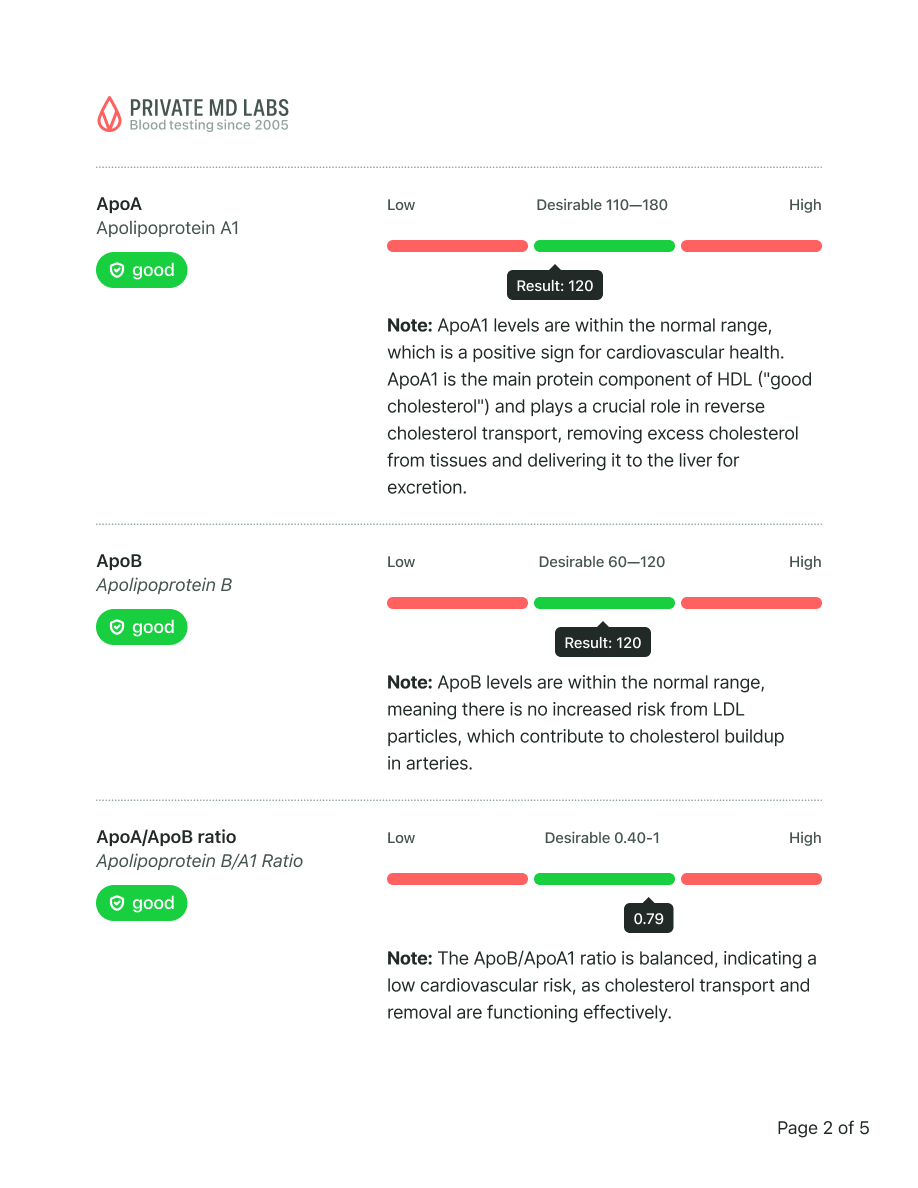
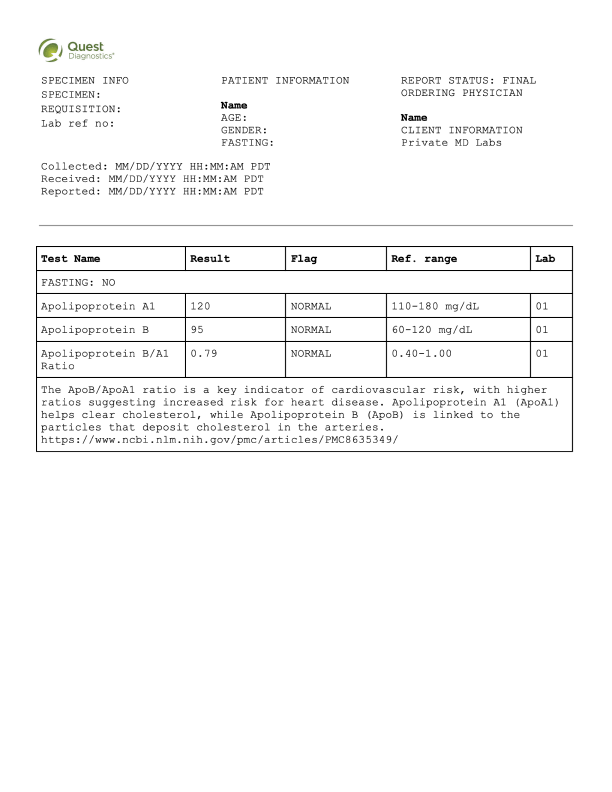
Sample results
Vitamin E excess, also known as vitamin E toxicity, occurs when abnormally high levels of alpha-tocopherol accumulate in the body. It is caused by excessive intake of vitamin E supplements, typically far exceeding the recommended daily allowance. The Vitamin E (Tocopherol) test is the most important test for diagnosis as it directly measures blood levels of alpha-tocopherol to confirm toxicity.
Vitamin E excess is caused by taking too much vitamin E in supplement form, typically doses exceeding 1,000 mg per day over extended periods. While vitamin E from food sources is safe and rarely causes toxicity, high-dose supplements can lead to dangerous accumulation in your body. Most cases occur in people taking megadoses of vitamin E supplements believing they will prevent disease, but the body stores this fat-soluble vitamin and cannot easily eliminate excess amounts.
The Vitamin E (Tocopherol) test is the most important test for vitamin E excess because it directly measures alpha-tocopherol levels in your blood to confirm toxicity. This test is essential because elevated vitamin E levels can interfere with blood clotting and cause serious bleeding complications. The test helps your healthcare provider determine the severity of toxicity and whether you need to stop or reduce supplementation. By measuring exact tocopherol concentrations, this test provides definitive evidence of vitamin E excess rather than relying on symptoms alone.
You should get tested if you take high-dose vitamin E supplements (especially over 400 IU daily) and experience unusual bruising, bleeding gums, nosebleeds, or blood in your urine or stool. Testing is also important if you develop persistent nausea, diarrhea, stomach cramps, fatigue, blurred vision, or severe headaches while taking vitamin E supplements. Anyone taking vitamin E supplements along with blood-thinning medications like warfarin should get tested regularly to prevent dangerous bleeding complications.
What this means
Your testosterone levels are slightly below the optimal range. While this is not necessarily cause for concern, it may contribute to occasional fatigue, reduced motivation, or lower muscle mass over time.
Recommended actions
Increase resistance or strength training
Prioritize 7–8 hours of quality sleep per night, try to reduce stress
Include more zinc- and magnesium-rich foods (like shellfish, beef, pumpkin seeds, spinach)
Consider retesting in 3–6 months
Not overhyped or overpriced. Just comprehensive blood testing made simple and for everyone.
Sample results
Your 24/7 Lab Guide
Quick questions: