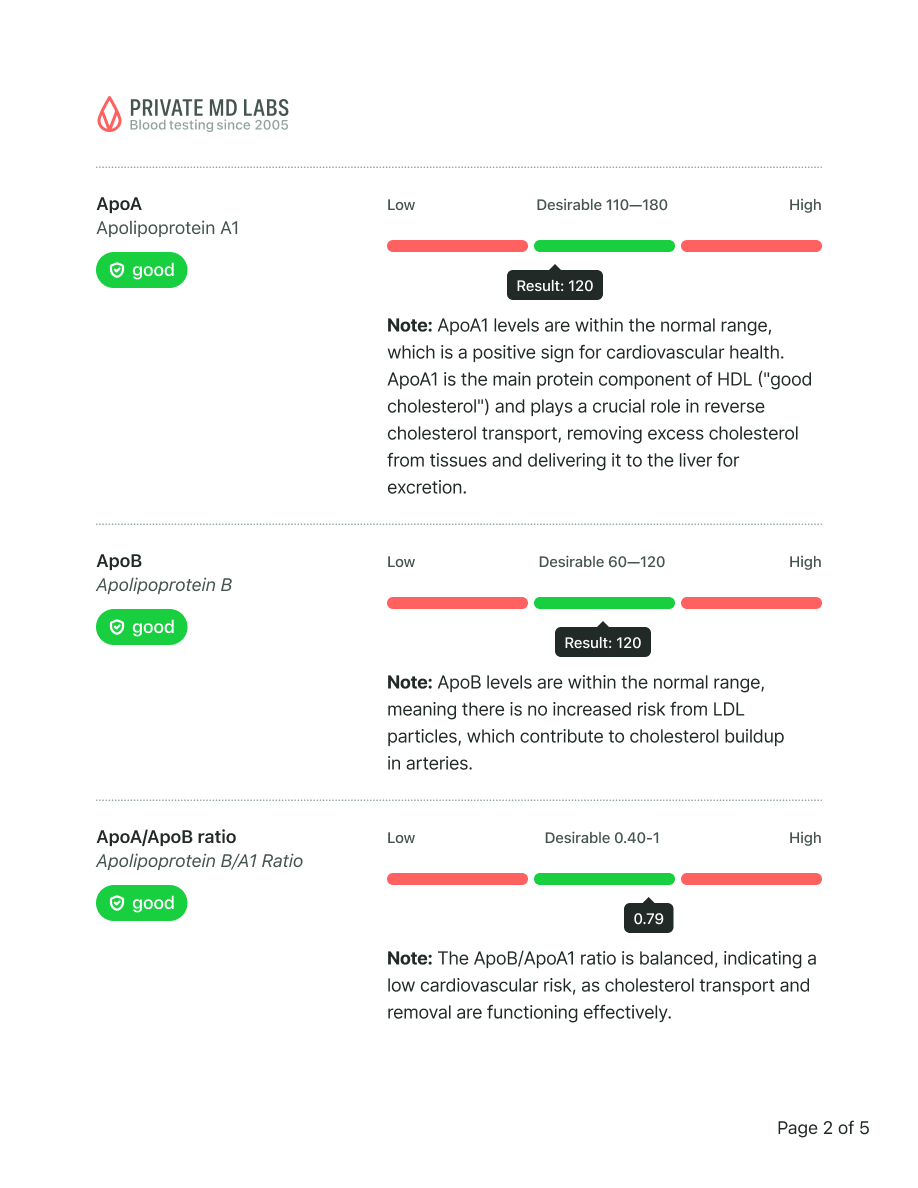
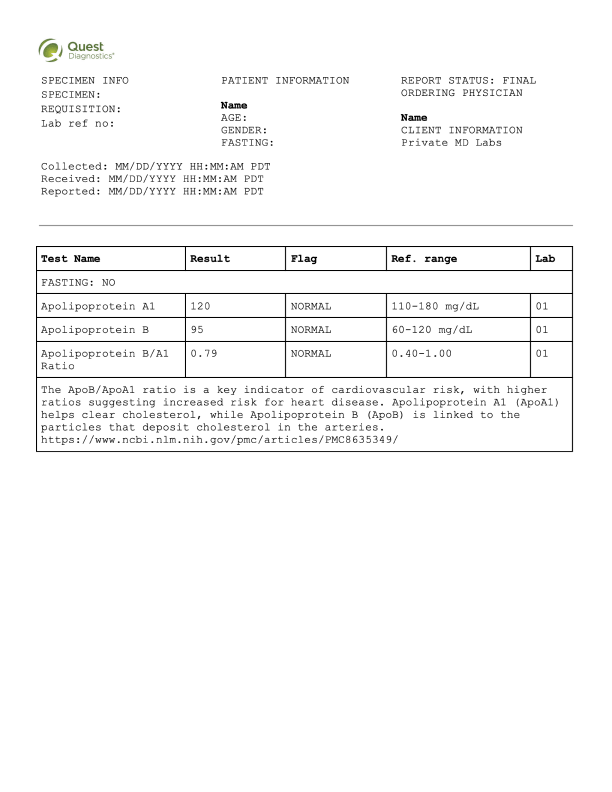
Sample results
Viral hepatitis is an infection that causes inflammation and damage to the liver. It is caused by specific viruses including hepatitis A virus (HAV), hepatitis B virus (HBV), hepatitis C virus (HCV), hepatitis D virus (HDV), and hepatitis E virus (HEV). The Hepatitis Viral Panel with Liver Function Tests is the most important test for diagnosis because it detects viral antigens, antibodies, and genetic material while assessing liver damage.
Viral hepatitis is caused by five distinct viruses: hepatitis A virus (HAV), hepatitis B virus (HBV), hepatitis C virus (HCV), hepatitis D virus (HDV), and hepatitis E virus (HEV). Each virus transmits differently - HAV and HEV spread through contaminated food or water, while HBV, HCV, and HDV spread through blood and bodily fluids. These viruses attack liver cells, triggering inflammation that can lead to acute illness or chronic liver disease depending on the virus type and your immune response.
The Hepatitis Viral Panel is the most important test for viral hepatitis because it detects specific antigens, antibodies, and viral genetic material (DNA/RNA) for each hepatitis virus. This comprehensive panel identifies which virus is present and determines whether the infection is acute or chronic. Additional liver function tests measure enzymes like ALT and AST to assess liver damage, while the Smooth Muscle Antibody with Reflex to Titer helps rule out autoimmune hepatitis if your results are unclear. Together, these tests provide a complete picture of your liver health and guide appropriate treatment.
You should get tested if you experience yellowing of your skin or eyes (jaundice), persistent fatigue, dark urine, pale stools, or abdominal pain in your upper right side. Testing is also essential if you have known exposure to someone with hepatitis, share needles, have multiple sexual partners, received a blood transfusion before 1992, or traveled to regions where hepatitis is common. Healthcare workers, people with HIV, and anyone born between 1945-1965 should get tested as they face higher risk for chronic hepatitis infections.
What this means
Your testosterone levels are slightly below the optimal range. While this is not necessarily cause for concern, it may contribute to occasional fatigue, reduced motivation, or lower muscle mass over time.
Recommended actions
Increase resistance or strength training
Prioritize 7–8 hours of quality sleep per night, try to reduce stress
Include more zinc- and magnesium-rich foods (like shellfish, beef, pumpkin seeds, spinach)
Consider retesting in 3–6 months
Not overhyped or overpriced. Just comprehensive blood testing made simple and for everyone.
Sample results
Your 24/7 Lab Guide
Quick questions: