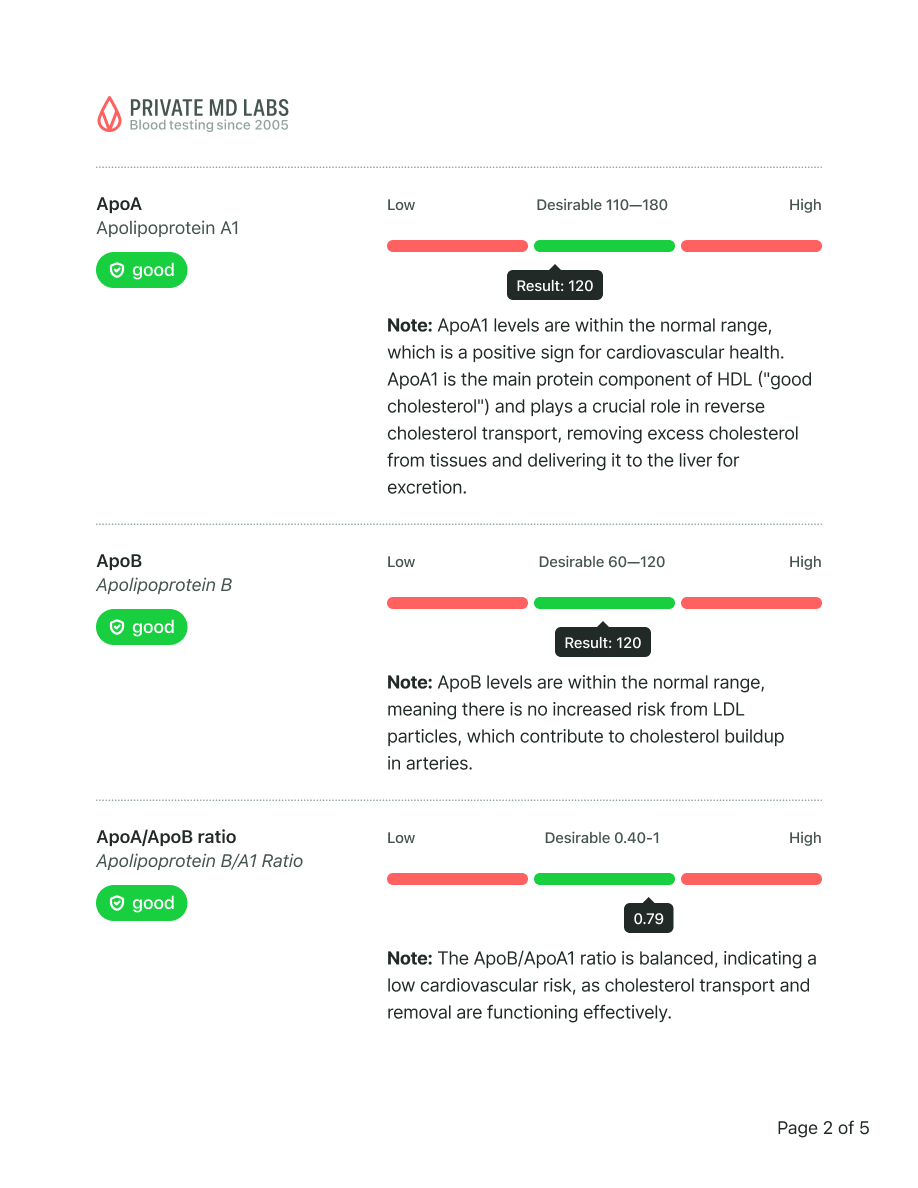
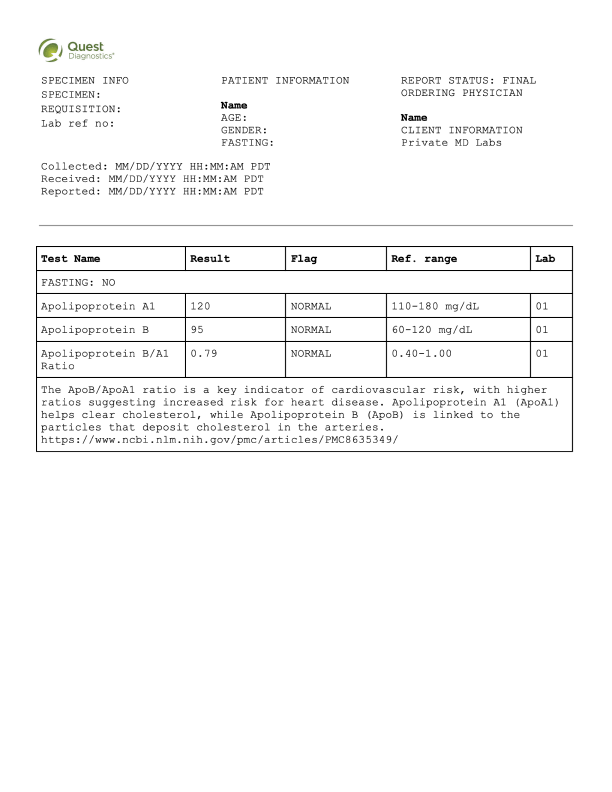
Sample results
Vaginitis is inflammation of the vagina that causes discharge, itching, and pain. It is caused by infections from Trichomonas vaginalis, Candida yeast, or Gardnerella vaginalis bacteria. The Trichomonas vaginalis RNA Qualitative TMA test is the most important test for diagnosing parasitic vaginitis.
Vaginitis is caused by three main types of infections: parasitic infections from Trichomonas vaginalis, yeast overgrowth from Candida species, or bacterial vaginosis from Gardnerella vaginalis and other anaerobic bacteria. Trichomonas vaginalis is a sexually transmitted parasite that accounts for about 30% of vaginitis cases and requires specific antimicrobial treatment. The vaginal environment can also be disrupted by hormonal changes, antibiotics, douching, or irritants like scented products, which create conditions that allow these organisms to thrive and cause inflammation.
The Trichomonas vaginalis RNA Qualitative TMA test is the most important test for vaginitis because it detects one of the three main causes with exceptional accuracy using molecular technology. This test identifies Trichomonas vaginalis RNA through transcription-mediated amplification, which is far more sensitive than traditional microscopy methods that miss up to 50% of infections. If Trichomonas is ruled out, your healthcare provider may recommend additional tests like a vaginal pH test, wet mount microscopy, or bacterial culture to identify whether yeast or bacterial vaginosis is responsible for your symptoms.
You should get tested if you notice abnormal vaginal discharge that is yellow, green, or gray in color, experience persistent vaginal itching or burning, have pain during sex or urination, or detect a fishy or unusual vaginal odor. Testing is especially important if you are sexually active, have a new sexual partner, or if symptoms persist after trying over-the-counter yeast infection treatments. Early testing prevents complications like pelvic inflammatory disease and ensures you receive the correct treatment rather than guessing which type of infection you have.
What this means
Your testosterone levels are slightly below the optimal range. While this is not necessarily cause for concern, it may contribute to occasional fatigue, reduced motivation, or lower muscle mass over time.
Recommended actions
Increase resistance or strength training
Prioritize 7–8 hours of quality sleep per night, try to reduce stress
Include more zinc- and magnesium-rich foods (like shellfish, beef, pumpkin seeds, spinach)
Consider retesting in 3–6 months
Not overhyped or overpriced. Just comprehensive blood testing made simple and for everyone.
Sample results
Your 24/7 Lab Guide
Quick questions: