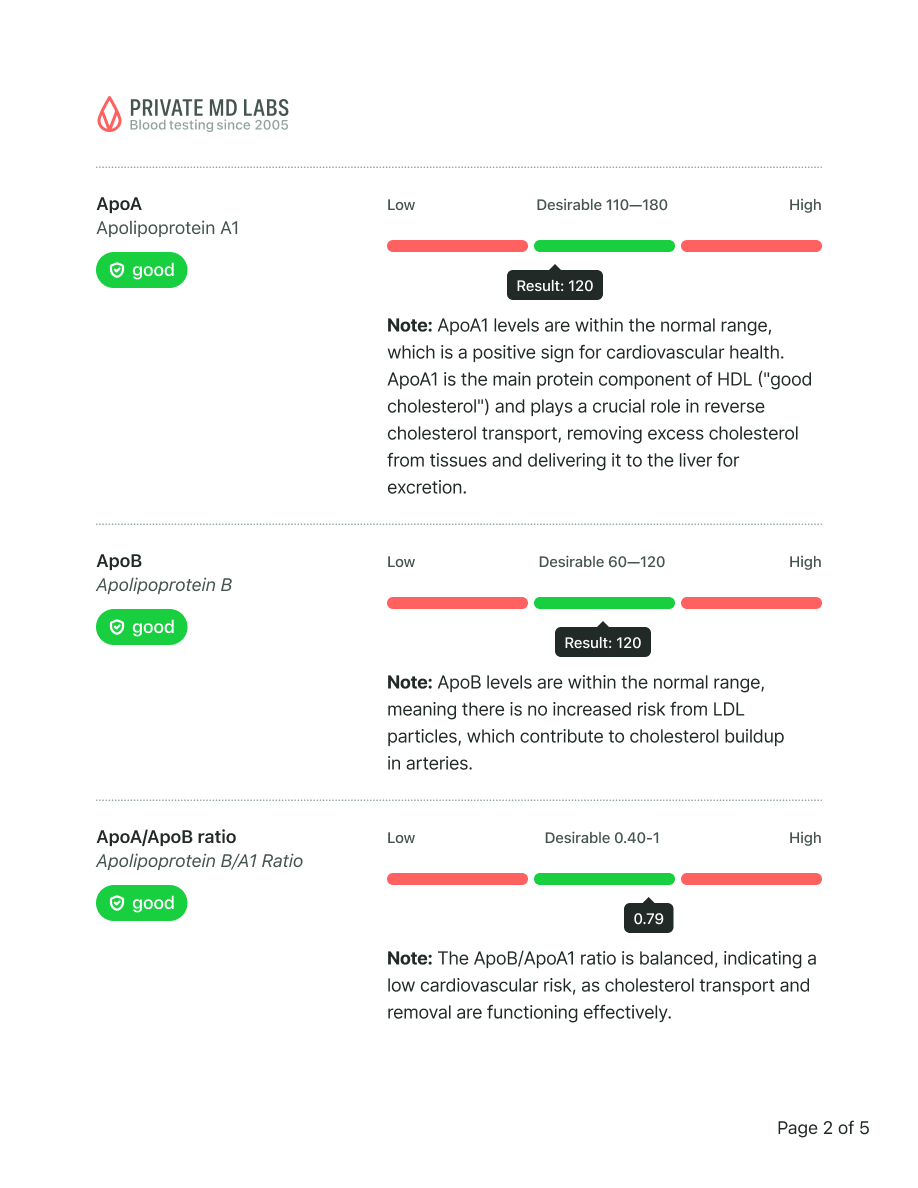
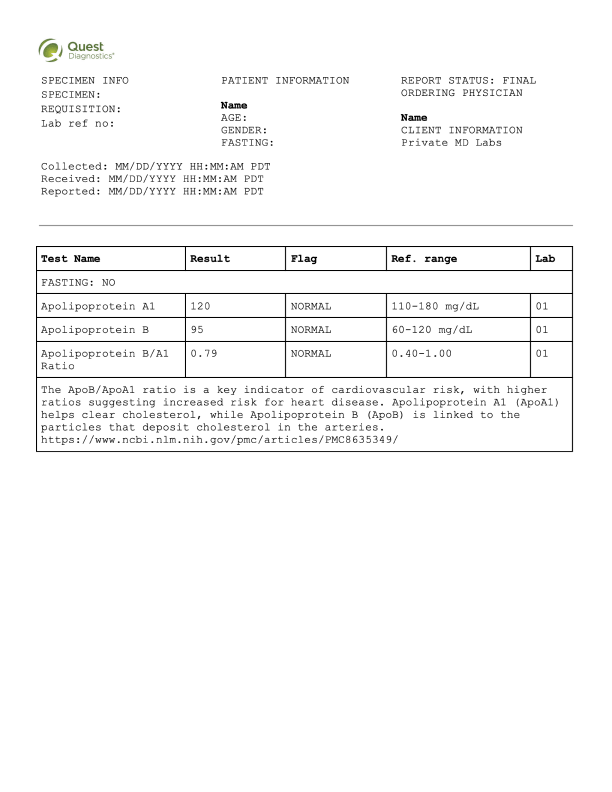
Sample results
Urinary tract infections (UTIs) are bacterial infections affecting the bladder, urethra, or kidneys. They are caused by bacteria, most commonly Escherichia coli (E. coli), which enters the urinary tract through the urethra and multiplies. The Urinalysis, Complete Profile is the most important test for diagnosing UTIs because it detects bacteria, white blood cells, nitrites, and occult blood in urine.
Urinary tract infections are caused by bacteria entering the urinary system through the urethra and multiplying in the bladder or kidneys. Escherichia coli (E. coli), which normally lives in the intestines, causes about 80-90% of UTIs. Other bacteria like Staphylococcus saprophyticus, Klebsiella pneumoniae, and Proteus mirabilis can also cause infections. Women are more susceptible because their shorter urethra allows bacteria easier access to the bladder.
The Urinalysis, Complete Profile is the most important test for diagnosing urinary tract infections because it detects multiple infection markers in a single sample. This comprehensive test identifies white blood cells (indicating immune response), bacteria, nitrites (produced by bacteria), and occult blood that signal infection or inflammation in the urinary tract. The test also measures pH levels, protein, and glucose, which help rule out other urinary conditions. Results provide objective evidence that guides appropriate antibiotic selection and treatment effectiveness.
You should get tested if you experience burning or pain during urination, feel the constant urge to urinate even when your bladder is empty, notice cloudy or blood-tinged urine, or develop pelvic pain or pressure. Get tested immediately if you have fever, chills, back pain, or nausea, as these symptoms may indicate a kidney infection requiring urgent treatment. Testing is also recommended if you have recurrent UTIs, are pregnant, or have diabetes, as these conditions increase infection risks and complications.
What this means
Your testosterone levels are slightly below the optimal range. While this is not necessarily cause for concern, it may contribute to occasional fatigue, reduced motivation, or lower muscle mass over time.
Recommended actions
Increase resistance or strength training
Prioritize 7–8 hours of quality sleep per night, try to reduce stress
Include more zinc- and magnesium-rich foods (like shellfish, beef, pumpkin seeds, spinach)
Consider retesting in 3–6 months
Not overhyped or overpriced. Just comprehensive blood testing made simple and for everyone.
Sample results
Your 24/7 Lab Guide
Quick questions: