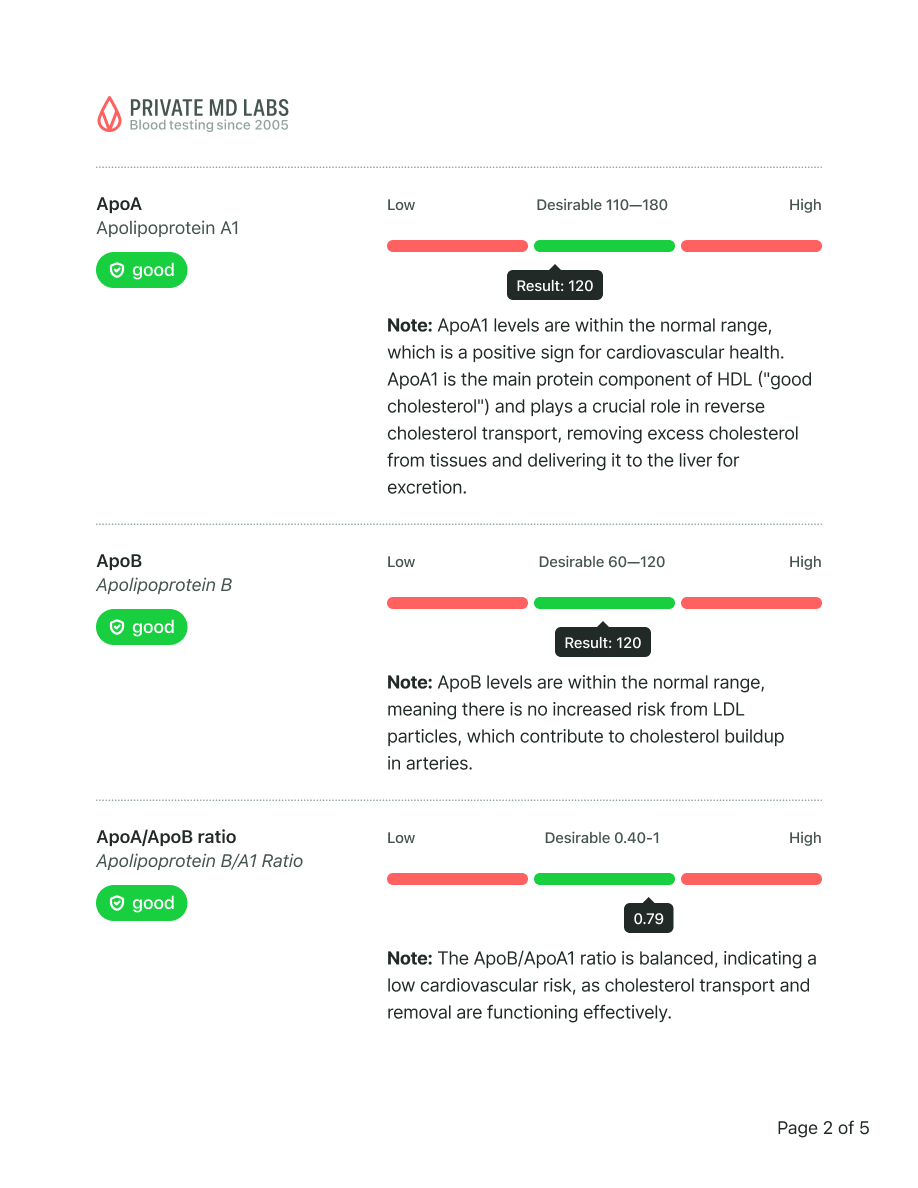
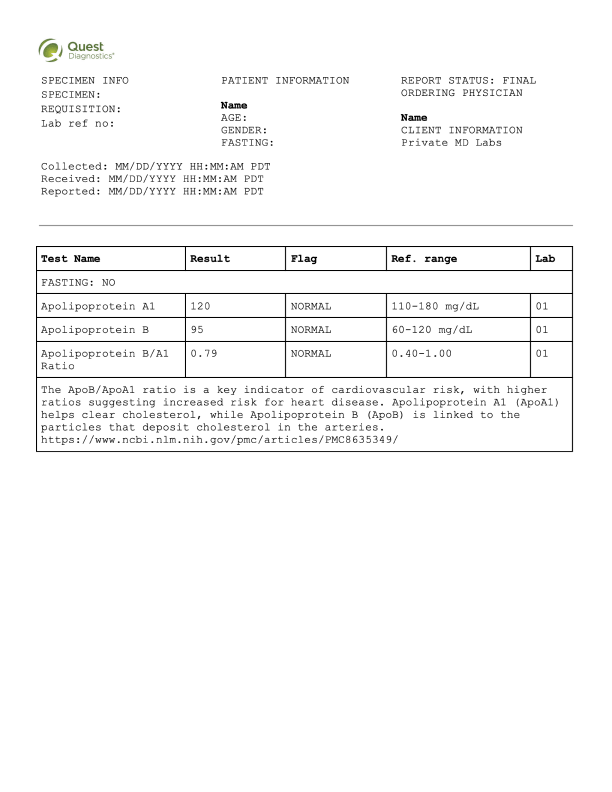
Sample results
A urinary tract infection (UTI) is a bacterial infection affecting any part of the urinary system including the kidneys, bladder, ureters, and urethra. It is caused by bacteria, most commonly Escherichia coli (E. coli), entering the urinary tract and multiplying in the bladder. The Urinalysis, Complete Profile is the most important test for diagnosis because it detects bacteria, white blood cells, leukocyte esterase, and nitrites that confirm infection.
Urinary tract infections are caused by bacteria entering the urinary tract and multiplying, with Escherichia coli (E. coli) responsible for about 80-90% of cases. The bacteria typically enter through the urethra and travel up into the bladder, where they attach to the bladder wall and cause inflammation. Women are more susceptible than men because they have a shorter urethra, making it easier for bacteria from the anal area to reach the bladder.
The Urinalysis, Complete Profile is the most important test for urinary tract infections because it detects multiple infection indicators in a single comprehensive panel. This test identifies bacteria in the urine, measures white blood cells that fight infection, detects leukocyte esterase (an enzyme from white blood cells), and checks for nitrites that UTI-causing bacteria produce when they convert nitrate in your body. For men experiencing UTI symptoms, the Prostate-Specific Antigen (PSA) test is also essential because urinary tract infections can cause prostate inflammation and elevated PSA levels that need monitoring.
You should get tested if you experience a burning sensation when urinating, feel a frequent and urgent need to urinate even when your bladder is nearly empty, notice cloudy or strong-smelling urine, or see blood in your urine. Men should also get tested if they experience lower abdominal discomfort or pelvic pressure, as UTIs can affect prostate health. Getting tested quickly is important because untreated UTIs can spread to the kidneys and cause serious complications like kidney damage or bloodstream infections.
What this means
Your testosterone levels are slightly below the optimal range. While this is not necessarily cause for concern, it may contribute to occasional fatigue, reduced motivation, or lower muscle mass over time.
Recommended actions
Increase resistance or strength training
Prioritize 7–8 hours of quality sleep per night, try to reduce stress
Include more zinc- and magnesium-rich foods (like shellfish, beef, pumpkin seeds, spinach)
Consider retesting in 3–6 months
Not overhyped or overpriced. Just comprehensive blood testing made simple and for everyone.
Sample results
Your 24/7 Lab Guide
Quick questions: