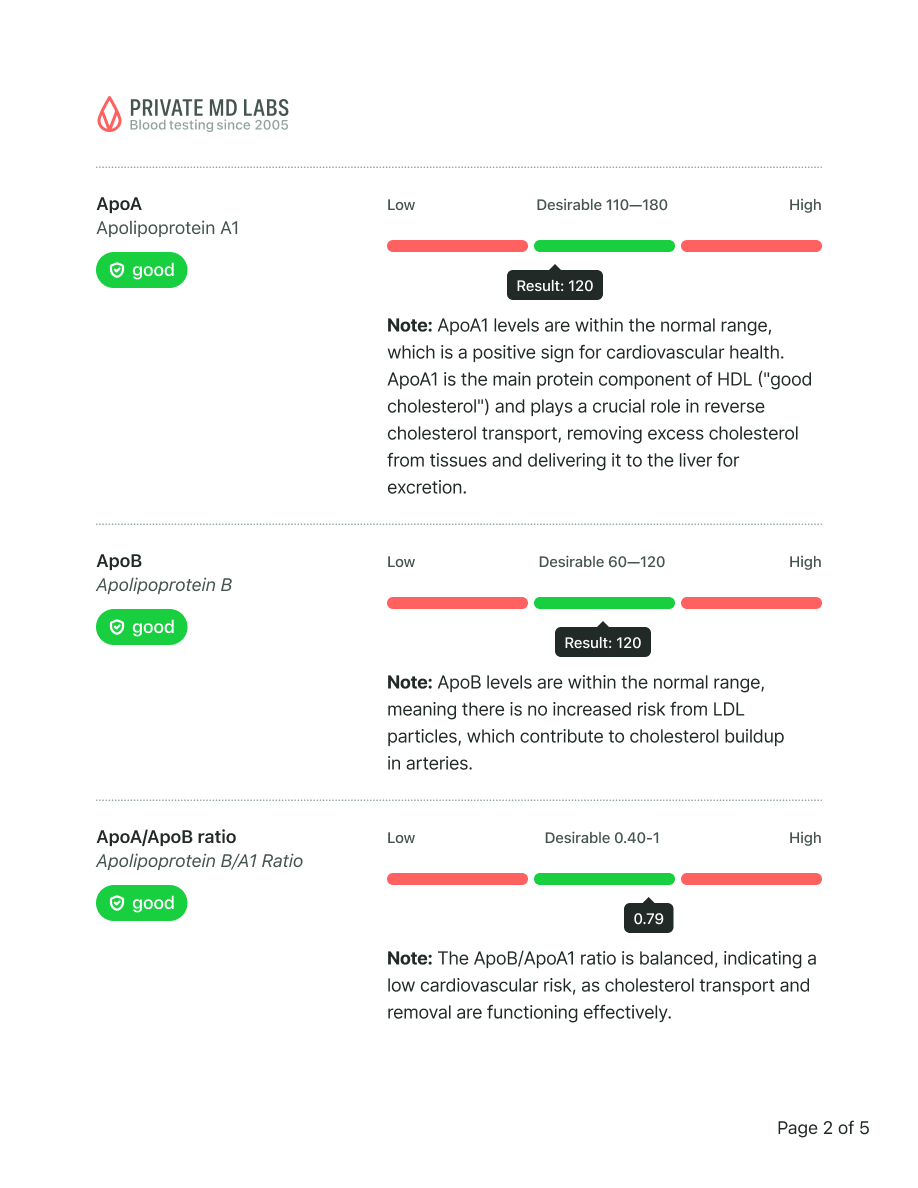
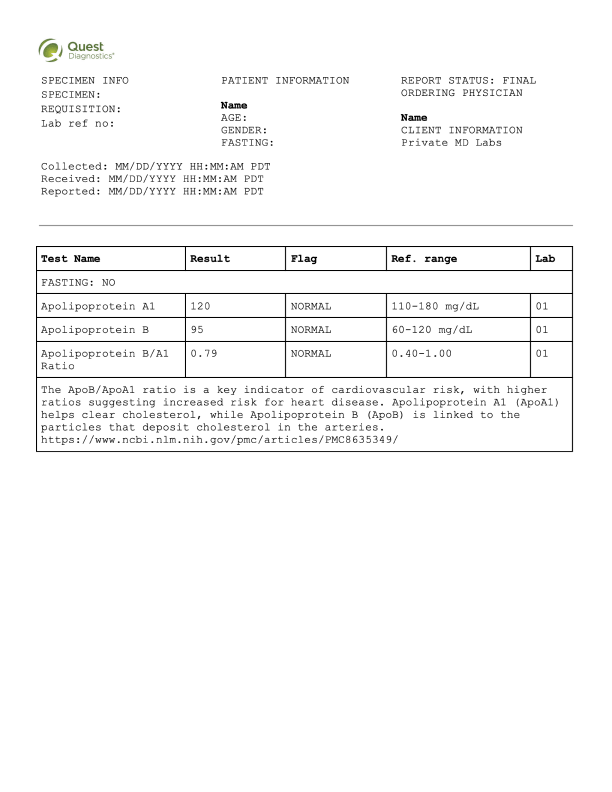
Sample results
Urethritis is an inflammation of the urethra, the tube that carries urine from the bladder out of the body. It is caused by bacterial infections such as Chlamydia trachomatis and Neisseria gonorrhoeae, or parasites like Trichomonas vaginalis. The Culture, Urine, Routine is the most important test for diagnosis because it identifies the specific bacteria causing the infection.
Urethritis is caused by bacterial infections or parasites that inflame the urethra. The most common bacterial causes are Chlamydia trachomatis and Neisseria gonorrhoeae, which are sexually transmitted. Trichomonas vaginalis, a parasite, can also cause urethritis in both men and women. Less commonly, urethritis may result from viral infections like herpes simplex virus or non-infectious irritants such as chemicals in soaps or spermicides.
The Culture, Urine, Routine is the most important test for urethritis because it identifies the specific bacteria causing the infection and determines which antibiotics will be most effective. This test cultures a urine sample to detect bacterial growth and identify the bacterial type. For suspected parasitic causes, the Trichomonas vaginalis RNA, Qualitative, TMA test is essential as it uses advanced molecular techniques to detect the parasite's genetic material with high accuracy. Your healthcare provider may recommend both tests to ensure comprehensive diagnosis and targeted treatment.
You should get tested if you experience painful or burning urination, unusual discharge from the urethra, frequent urges to urinate, or itching around the urethral opening. Testing is especially important if you have had unprotected sexual contact or if your partner has been diagnosed with a sexually transmitted infection. Early testing and diagnosis allow for prompt treatment, which prevents complications and stops the spread of infection to others.
What this means
Your testosterone levels are slightly below the optimal range. While this is not necessarily cause for concern, it may contribute to occasional fatigue, reduced motivation, or lower muscle mass over time.
Recommended actions
Increase resistance or strength training
Prioritize 7–8 hours of quality sleep per night, try to reduce stress
Include more zinc- and magnesium-rich foods (like shellfish, beef, pumpkin seeds, spinach)
Consider retesting in 3–6 months
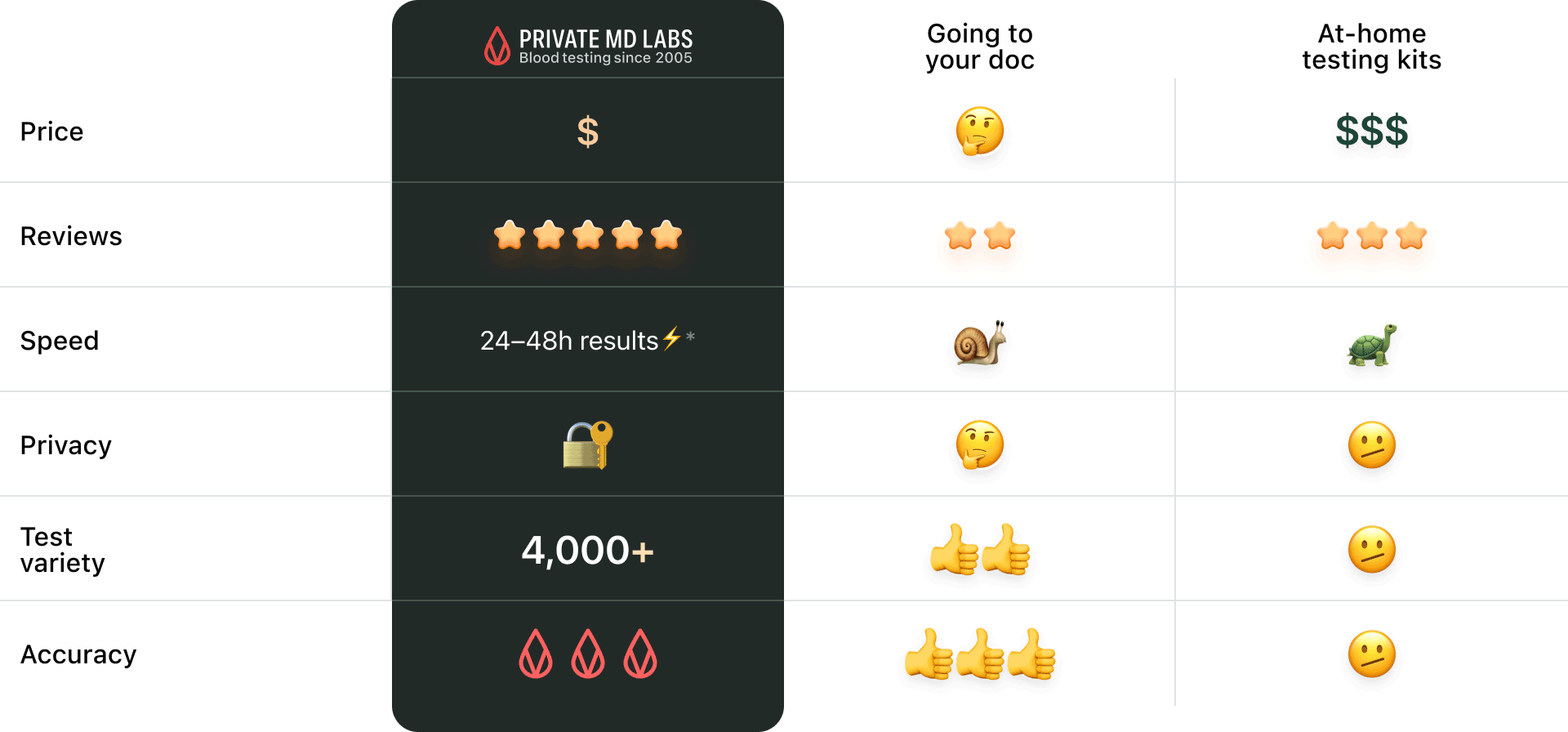
Not overhyped or overpriced. Just comprehensive blood testing made simple and for everyone.
Sample results
Your 24/7 Lab Guide
Quick questions: