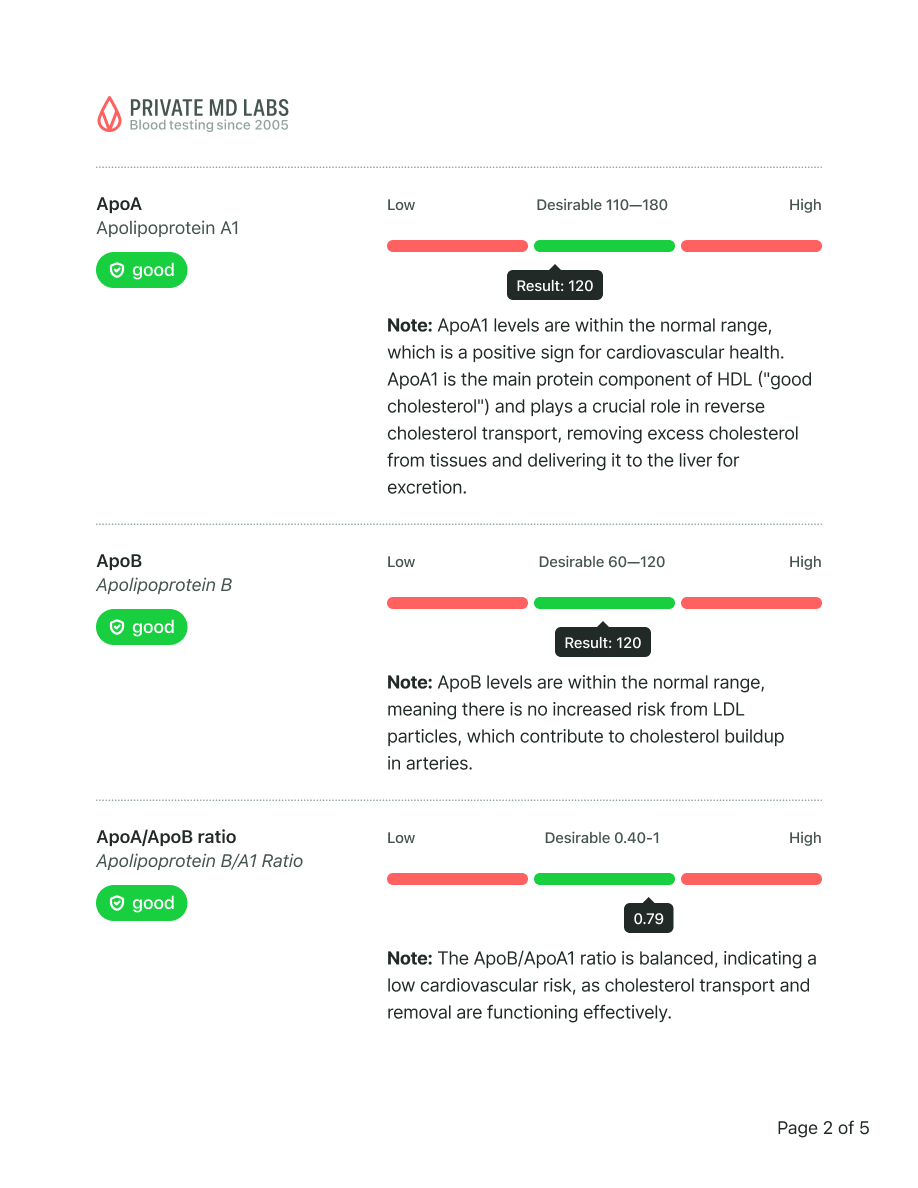
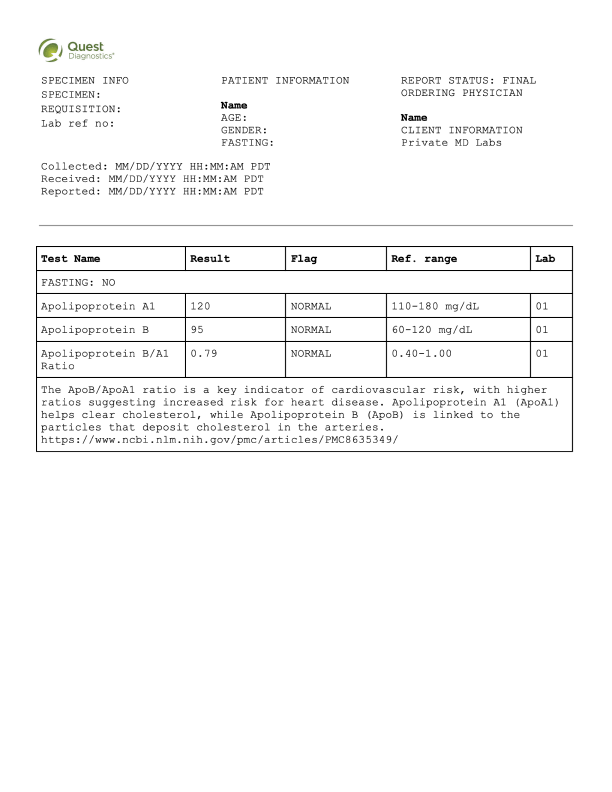
Sample results
Trichomoniasis is a sexually transmitted infection that affects both men and women. It is caused by the Trichomonas vaginalis parasite, which infects the urogenital tract. The Trichomonas vaginalis RNA test is the most important test for diagnosis because it directly detects the genetic material of the parasite with high accuracy.
Trichomoniasis is caused by the Trichomonas vaginalis parasite, a microscopic organism that infects the urogenital tract. This parasite is transmitted through sexual contact, including vaginal, oral, or anal sex with an infected partner. The parasite thrives in warm, moist environments and can survive outside the body for a short period, though direct sexual contact is the primary mode of transmission. Unlike bacterial STIs, trichomoniasis is caused by a protozoan parasite, making it unique among common sexually transmitted infections.
The Trichomonas vaginalis RNA Qualitative TMA test is the most important test for trichomoniasis because it directly detects the genetic material of the parasite with exceptional sensitivity and accuracy. For women, the Trichomonas vaginalis RNA test for females identifies active infections by detecting parasite RNA in vaginal samples. Men should use the male-specific version, which detects the parasite in urine or urethral samples. These RNA-based tests are far superior to older microscopy methods because they can detect infections even when parasite levels are low or symptoms are absent. The test provides definitive diagnosis, allowing for prompt treatment and preventing transmission to sexual partners.
You should get tested if you experience unusual vaginal or penile discharge, itching or irritation in the genital area, burning during urination, or discomfort during sex. Testing is also important if you have a new sexual partner, multiple partners, or if a current or former partner has been diagnosed with an STI. Many people with trichomoniasis have no symptoms at all, so regular STI screening is recommended for sexually active individuals, especially those not in mutually monogamous relationships. Get tested promptly if you notice any changes in your genital health or after unprotected sexual contact.
What this means
Your testosterone levels are slightly below the optimal range. While this is not necessarily cause for concern, it may contribute to occasional fatigue, reduced motivation, or lower muscle mass over time.
Recommended actions
Increase resistance or strength training
Prioritize 7–8 hours of quality sleep per night, try to reduce stress
Include more zinc- and magnesium-rich foods (like shellfish, beef, pumpkin seeds, spinach)
Consider retesting in 3–6 months
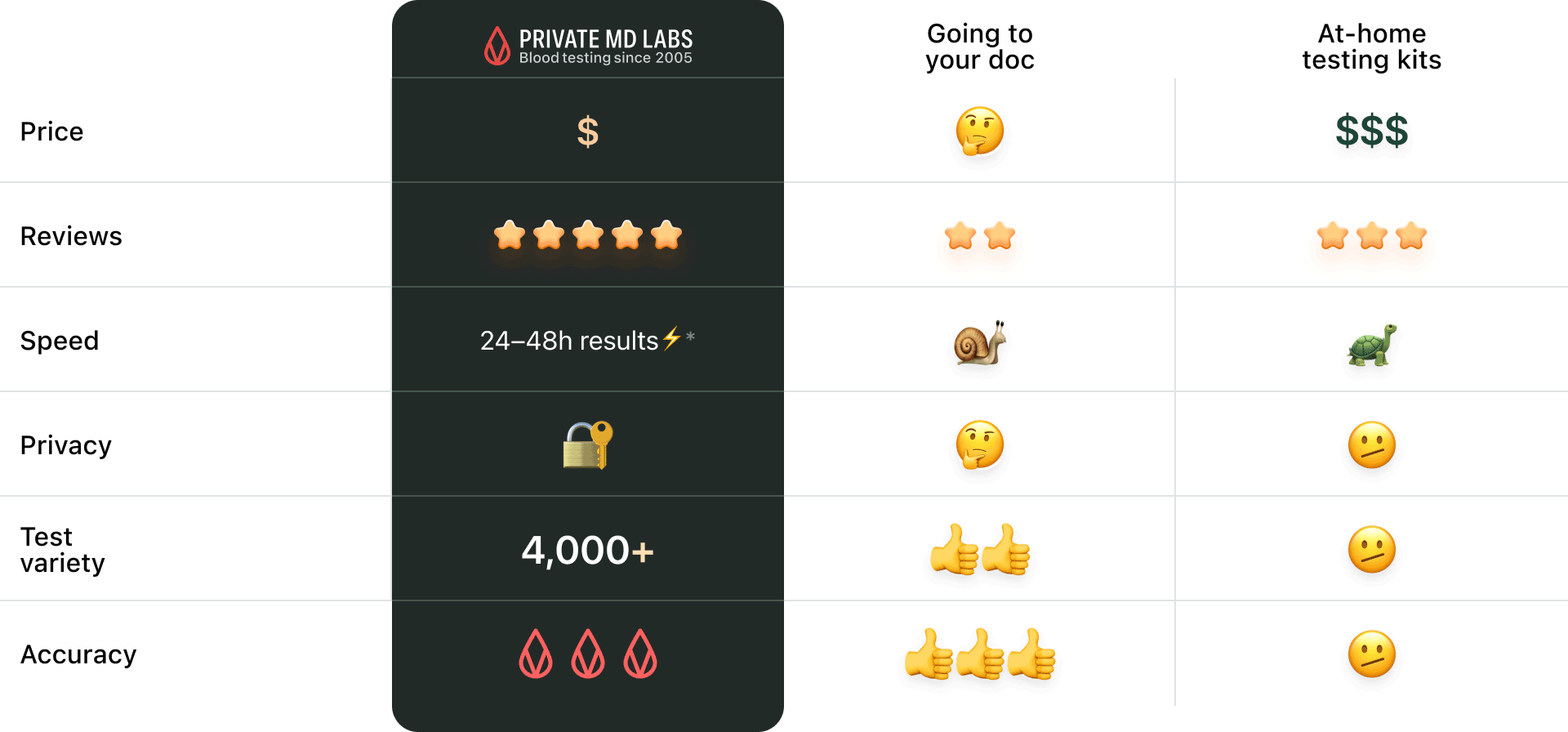
Not overhyped or overpriced. Just comprehensive blood testing made simple and for everyone.
Sample results
Your 24/7 Lab Guide
Quick questions: