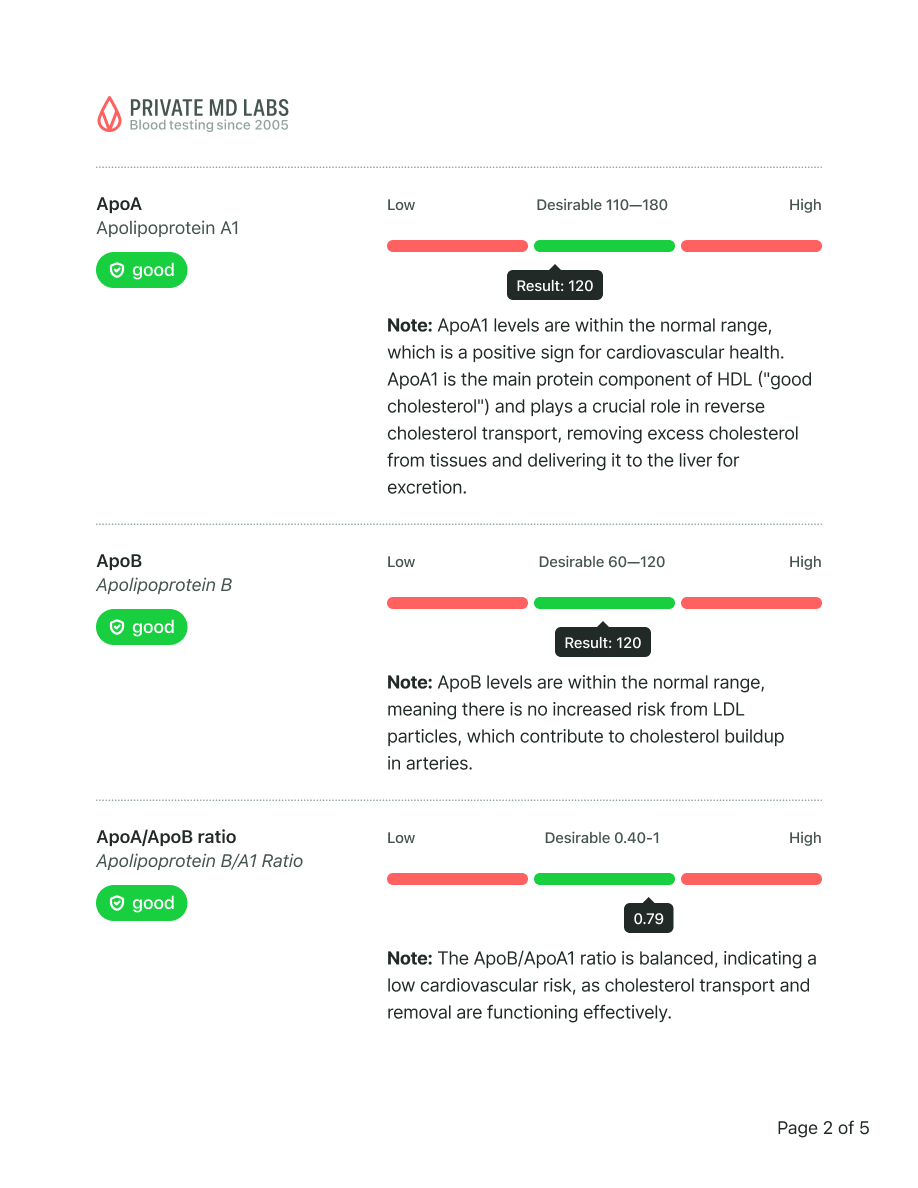
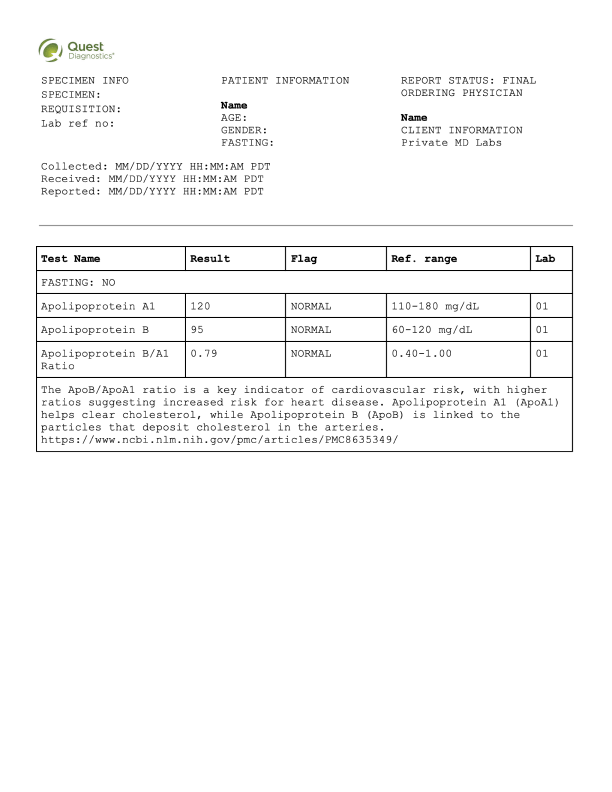
Sample results
Tree pollen allergy is a seasonal allergic reaction that occurs when your immune system overreacts to airborne pollen from trees like birch, oak, cedar, and elm. It is caused by specific IgE antibodies that your body produces in response to tree pollen proteins, triggering histamine release and inflammatory responses. The Respiratory Allergy Profile Region XIV is the most important test for diagnosis as it measures specific IgE antibodies to multiple tree pollens in your blood.
Tree pollen allergy is caused by your immune system producing specific IgE antibodies against proteins found in tree pollen. When you breathe in pollen from trees like birch, oak, cedar, elm, alder, or sycamore, these antibodies trigger mast cells to release histamine and other inflammatory chemicals. This immune response causes the classic allergy symptoms you experience during peak tree pollen seasons, typically in early spring when trees release massive amounts of pollen into the air.
The Respiratory Allergy Profile Region XIV is the most important test for tree pollen allergy because it measures specific IgE antibodies to multiple tree pollens in a single blood draw. This comprehensive panel tests for alder, birch, elm, mountain cedar, sycamore, and white mulberry pollens, identifying exactly which trees trigger your symptoms. Unlike skin prick tests, blood testing is safer if you have severe allergies or skin conditions, and you do not need to stop taking antihistamines before testing. The specific IgE results help your doctor create a targeted treatment plan and determine if you are a candidate for immunotherapy.

You should get tested if you experience sneezing, runny nose, itchy eyes, or congestion every spring when trees are pollinating. Testing is especially important if your symptoms interfere with daily activities, keep you awake at night, or if over-the-counter allergy medications are not providing relief. You should also consider testing if you want to start immunotherapy, need to identify specific tree triggers for avoidance strategies, or if you are planning to move to a new region and want to know which local tree pollens might affect you.
What this means
Your testosterone levels are slightly below the optimal range. While this is not necessarily cause for concern, it may contribute to occasional fatigue, reduced motivation, or lower muscle mass over time.
Recommended actions
Increase resistance or strength training
Prioritize 7–8 hours of quality sleep per night, try to reduce stress
Include more zinc- and magnesium-rich foods (like shellfish, beef, pumpkin seeds, spinach)
Consider retesting in 3–6 months
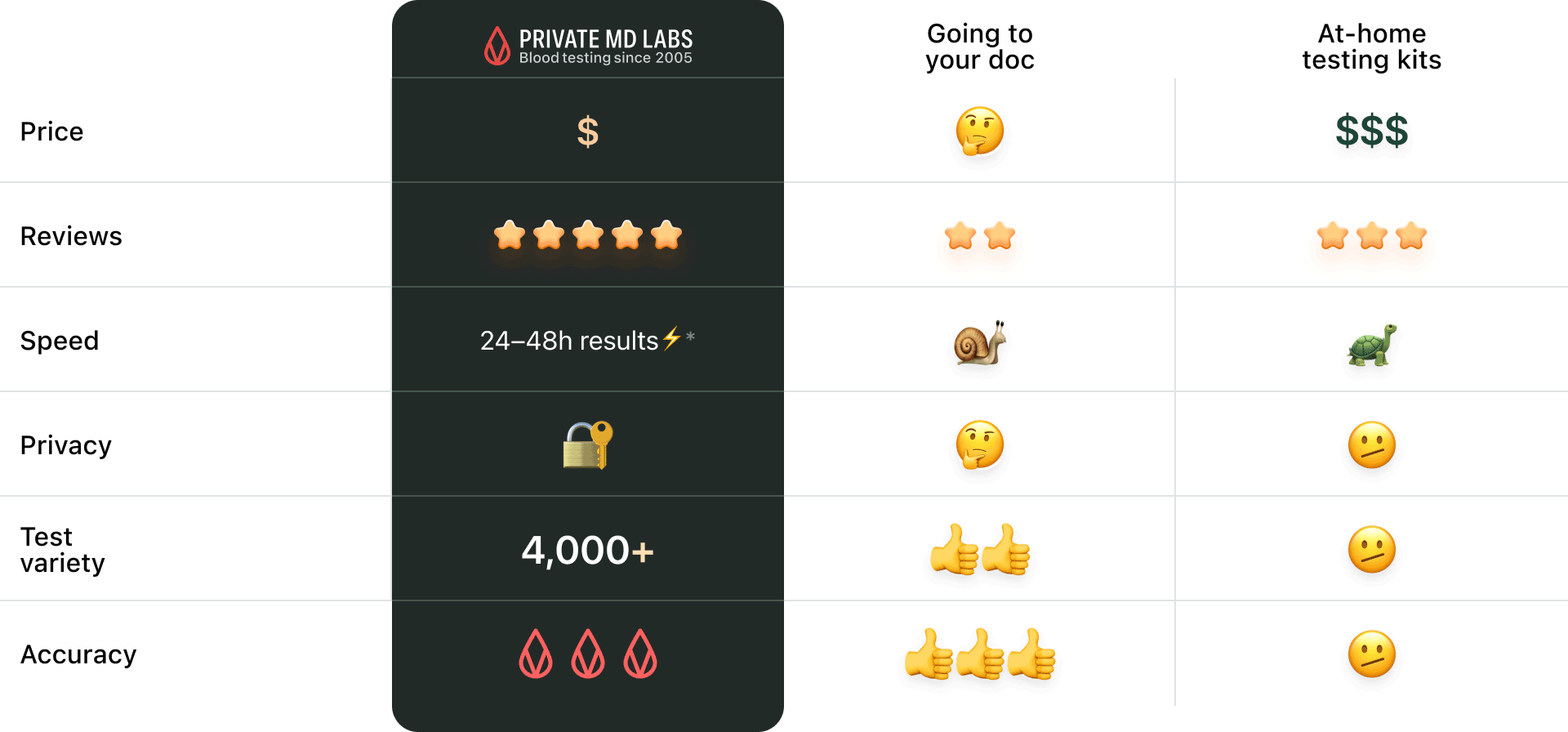
Not overhyped or overpriced. Just comprehensive blood testing made simple and for everyone.
Sample results
Your 24/7 Lab Guide
Quick questions: