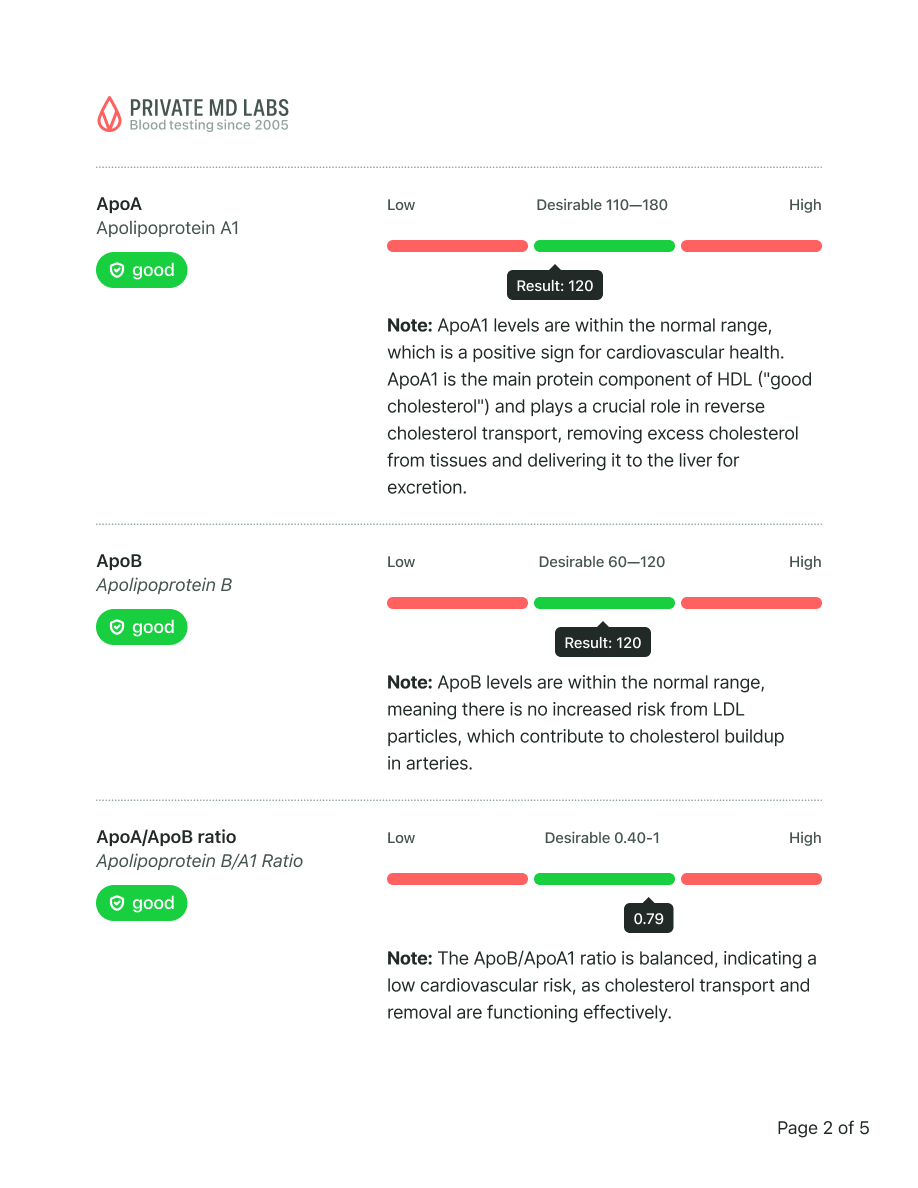
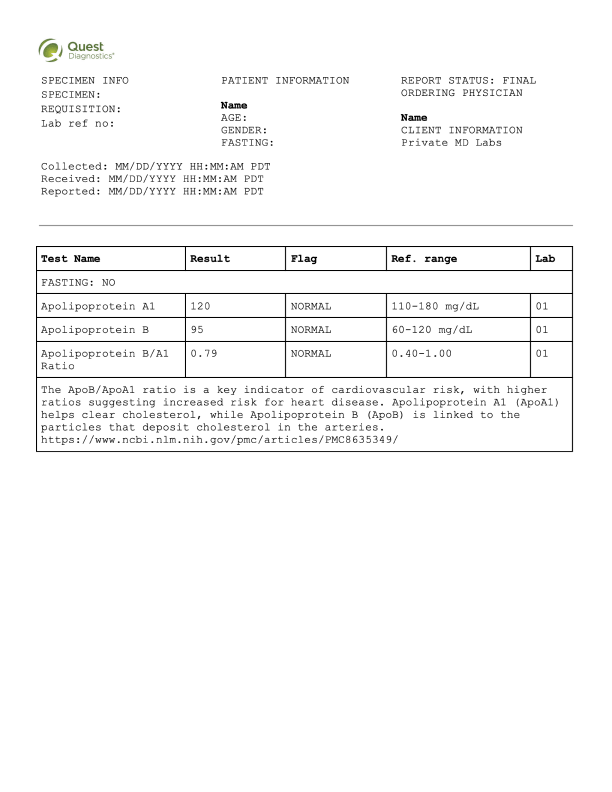
Sample results
Thyroid nodules are lumps that form within the thyroid gland, and while most are benign, some can be cancerous. Some thyroid nodules produce thyroid hormones independently, disrupting the body's normal hormone regulation through altered TSH feedback mechanisms. The Thyroid-Stimulating Hormone (TSH) test is the most important test for evaluating how nodules affect thyroid function and hormone production.
Thyroid nodules are caused by abnormal growth of thyroid cells, iodine deficiency, chronic inflammation like Hashimoto's thyroiditis, or genetic mutations. Most nodules develop as the thyroid attempts to compensate for inadequate hormone production or responds to inflammatory damage. Some nodules form autonomously and begin producing thyroid hormones on their own, disrupting normal thyroid regulation. While the majority of thyroid nodules are benign, approximately 5-10% can be cancerous, making proper evaluation essential.
The Thyroid-Stimulating Hormone (TSH) test is the most important blood test for thyroid nodules because it detects whether nodules are affecting your thyroid's hormone production. When nodules produce excess thyroid hormones independently, TSH levels drop as your body tries to compensate and reduce overall hormone output. Normal TSH levels suggest that nodules are not significantly impacting thyroid function, while low TSH levels may indicate functional nodules that require different management. While imaging studies and fine-needle aspiration biopsy are needed to diagnose nodules definitively, the TSH test provides crucial information about how nodules are affecting your overall thyroid health and helps guide treatment decisions.
You should get tested if you notice a visible lump or swelling in your neck, experience difficulty swallowing or breathing, develop unexplained hoarseness or voice changes, or have symptoms of thyroid dysfunction like rapid heartbeat, unexplained weight changes, or fatigue. Testing is also important if you have a family history of thyroid cancer or nodules, previous radiation exposure to your head or neck, or if a nodule was detected during a routine physical examination. Early testing helps determine whether nodules are affecting your thyroid function and whether further evaluation is needed.
What this means
Your testosterone levels are slightly below the optimal range. While this is not necessarily cause for concern, it may contribute to occasional fatigue, reduced motivation, or lower muscle mass over time.
Recommended actions
Increase resistance or strength training
Prioritize 7–8 hours of quality sleep per night, try to reduce stress
Include more zinc- and magnesium-rich foods (like shellfish, beef, pumpkin seeds, spinach)
Consider retesting in 3–6 months
Not overhyped or overpriced. Just comprehensive blood testing made simple and for everyone.
Sample results
Your 24/7 Lab Guide
Quick questions: