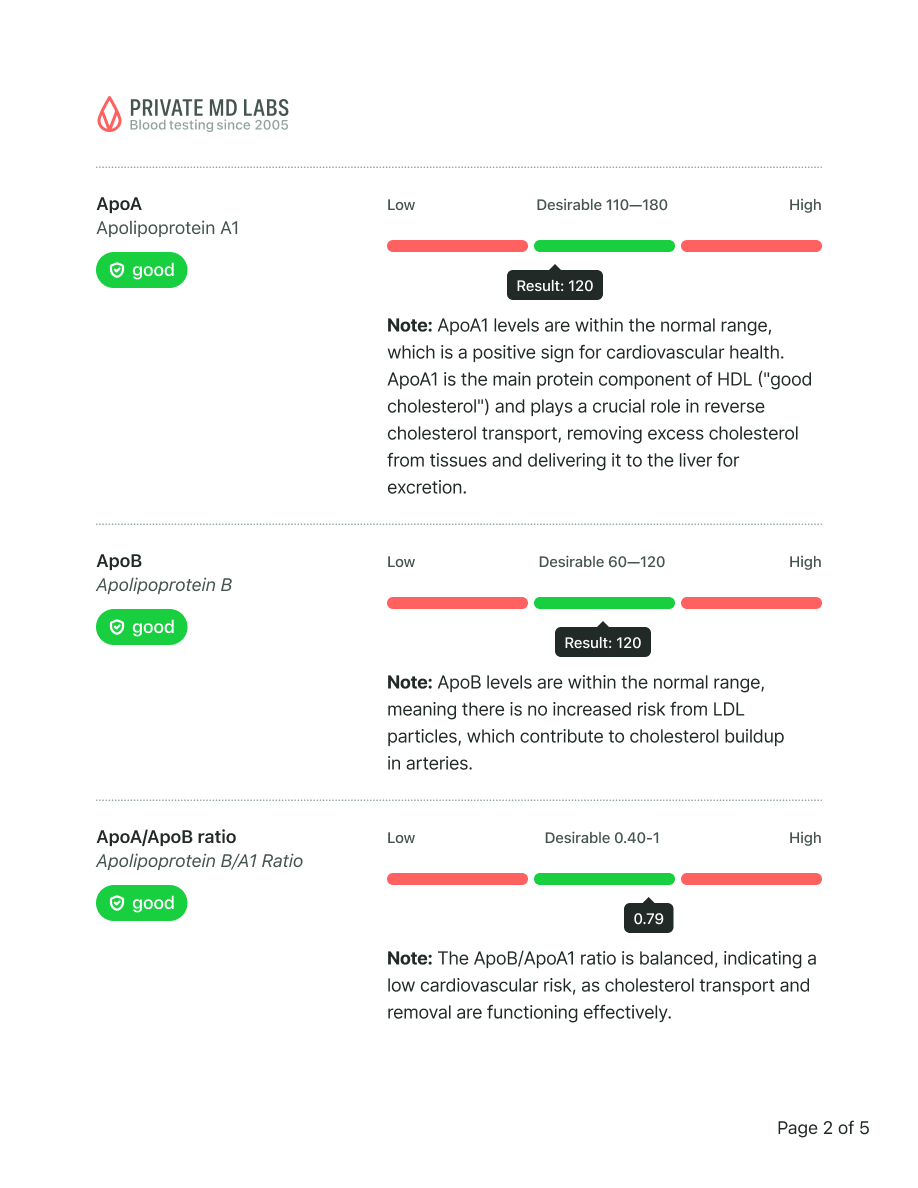
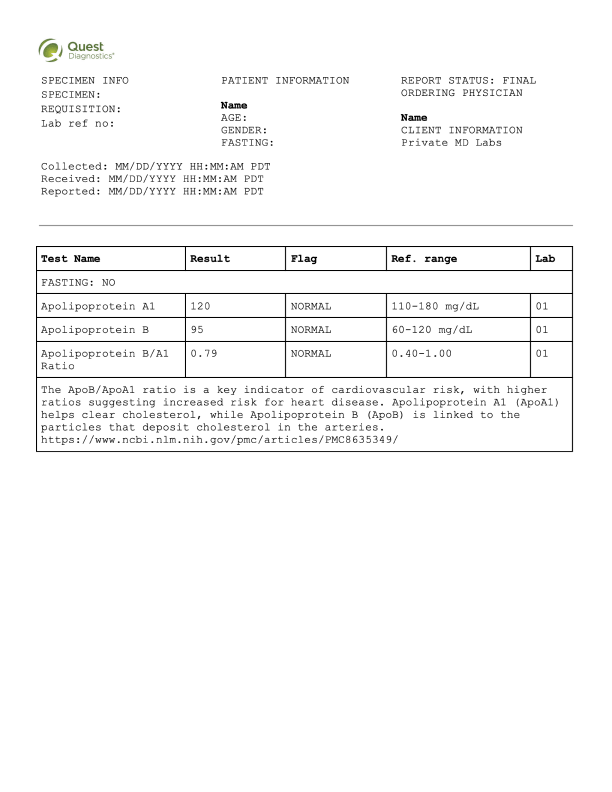
Sample results
Thyroid nodules are lumps that form within the thyroid gland, and while most are benign, some can develop into thyroid cancer. Both iodine deficiency and excess iodine intake can disrupt normal thyroid function and increase the risk of nodule formation. The Iodine, 24-Hour Urine test is the most important test for assessing your iodine status and thyroid nodule risk.
Thyroid nodules are caused by abnormal growth of thyroid tissue, with iodine imbalance being a major contributing factor. Both too little and too much iodine can disrupt normal thyroid function and trigger nodule formation. Other causes include chronic inflammation (Hashimoto's thyroiditis), thyroid cysts filled with fluid, or genetic mutations. Most thyroid nodules are benign, but approximately 5-10% can be cancerous, which is why monitoring risk factors like iodine status is important for early detection.
The Iodine, 24-Hour Urine test is the most important blood work for assessing thyroid nodule risk because it measures your body's iodine levels over a full day. This test detects both iodine deficiency and excess, which are key risk factors for developing thyroid nodules. While imaging studies like ultrasound and fine needle aspiration biopsies are needed for definitive diagnosis of existing nodules, monitoring your iodine status helps identify your risk profile before nodules develop. Maintaining optimal iodine balance is essential for preventing thyroid abnormalities and supporting overall thyroid health.
You should get tested if you notice a visible lump in your neck, experience difficulty swallowing or breathing, or have unexplained hoarseness that persists. Testing is also important if you have a family history of thyroid disease or cancer, have been exposed to radiation during childhood, or live in an area with known iodine deficiency. Additionally, if you have symptoms like unexplained weight changes, fatigue, or heart palpitations alongside neck swelling, these warrant immediate evaluation to assess your thyroid health and iodine status.
What this means
Your testosterone levels are slightly below the optimal range. While this is not necessarily cause for concern, it may contribute to occasional fatigue, reduced motivation, or lower muscle mass over time.
Recommended actions
Increase resistance or strength training
Prioritize 7–8 hours of quality sleep per night, try to reduce stress
Include more zinc- and magnesium-rich foods (like shellfish, beef, pumpkin seeds, spinach)
Consider retesting in 3–6 months
Not overhyped or overpriced. Just comprehensive blood testing made simple and for everyone.
Sample results
Your 24/7 Lab Guide
Quick questions: