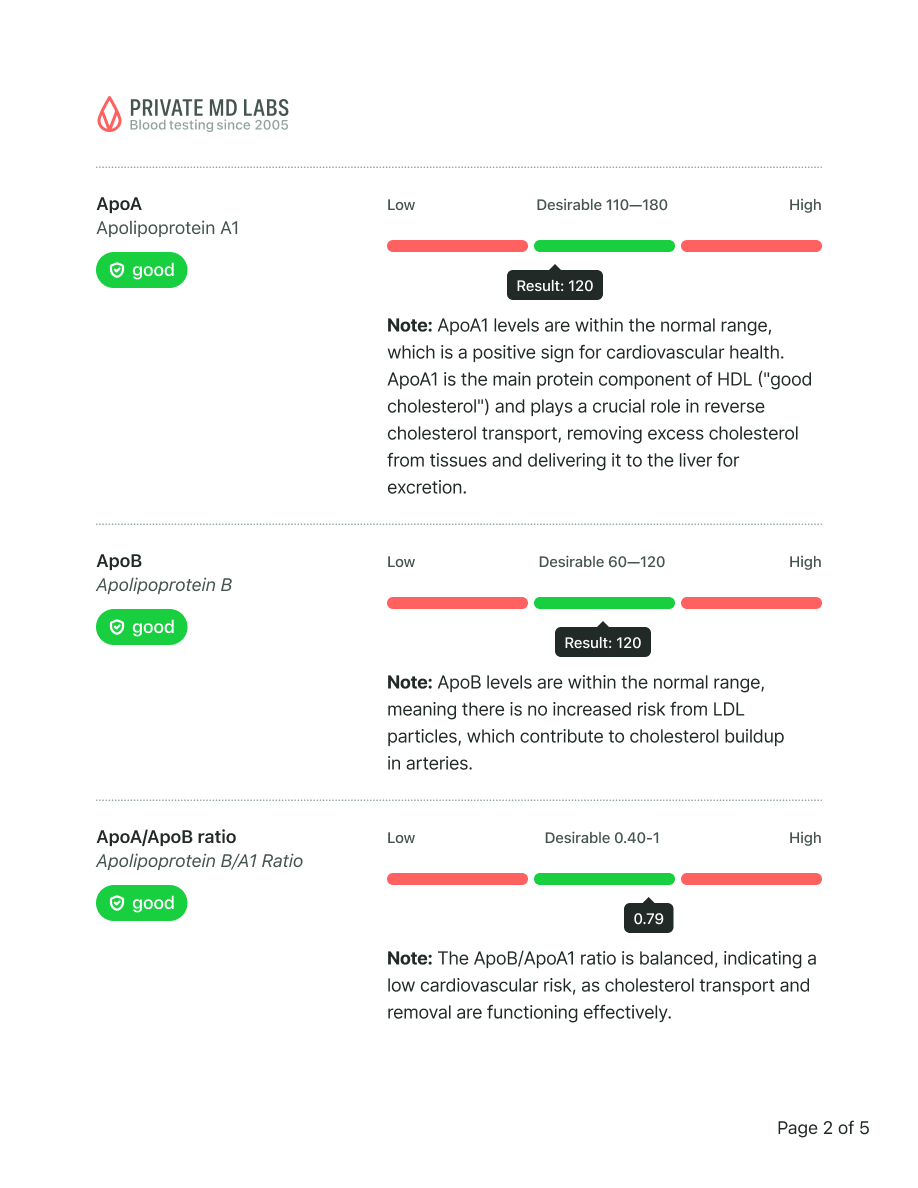
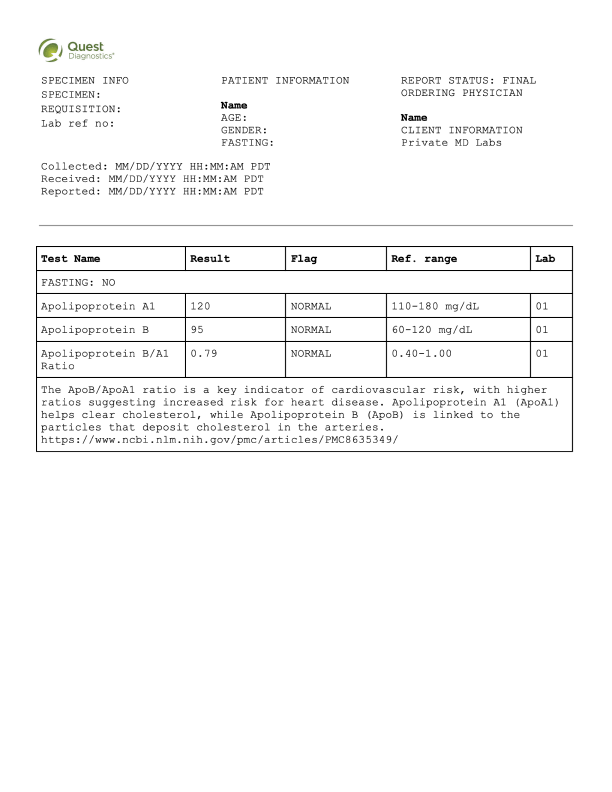
Sample results
Testicular cancer is a malignant tumor that develops in one or both testicles, most commonly affecting men between ages 15-35. It is caused by abnormal cell growth in the testicles, with certain types producing tumor markers like Alpha-Fetoprotein (AFP) and beta-hCG. The Alpha-Fetoprotein (AFP), Serum, Tumor Marker test is the most important blood test for detecting and monitoring non-seminoma testicular cancers.
Testicular cancer is caused by abnormal cell growth in the testicles when DNA mutations trigger cells to multiply uncontrollably and form a tumor. Risk factors include undescended testicles (cryptorchidism), family history of testicular cancer, abnormal testicular development conditions like Klinefelter syndrome, and being of Caucasian ethnicity. The exact trigger for these DNA mutations remains unknown, but the combination of genetic predisposition and developmental factors appears to play a significant role in cancer development.
The Alpha-Fetoprotein (AFP), Serum, Tumor Marker test is the most important blood test for testicular cancer because it detects elevated AFP levels produced by non-seminoma testicular cancers, including embryonal carcinoma, yolk sac tumors, and some mixed germ cell tumors. This test is essential for initial assessment, monitoring treatment response, and detecting recurrence. Additionally, the Testosterone, Free, Bioavailable and Total, LC/MS/MS test is valuable because testicular cancer can disrupt normal hormone production, and monitoring testosterone levels helps assess how the tumor is affecting testicular function and overall hormonal health.

You should get tested if you notice a painless lump or swelling in either testicle, experience a dull ache in your lower abdomen or groin, feel heaviness in your scrotum, or notice sudden fluid collection in your scrotum. Testing is also important if you have risk factors like undescended testicles or a family history of testicular cancer, especially if you are between ages 15-35 when testicular cancer is most common. Early detection through blood tests measuring tumor markers like AFP can help identify cancer sooner and improve treatment outcomes.
What this means
Your testosterone levels are slightly below the optimal range. While this is not necessarily cause for concern, it may contribute to occasional fatigue, reduced motivation, or lower muscle mass over time.
Recommended actions
Increase resistance or strength training
Prioritize 7–8 hours of quality sleep per night, try to reduce stress
Include more zinc- and magnesium-rich foods (like shellfish, beef, pumpkin seeds, spinach)
Consider retesting in 3–6 months
Not overhyped or overpriced. Just comprehensive blood testing made simple and for everyone.
Sample results
Your 24/7 Lab Guide
Quick questions: