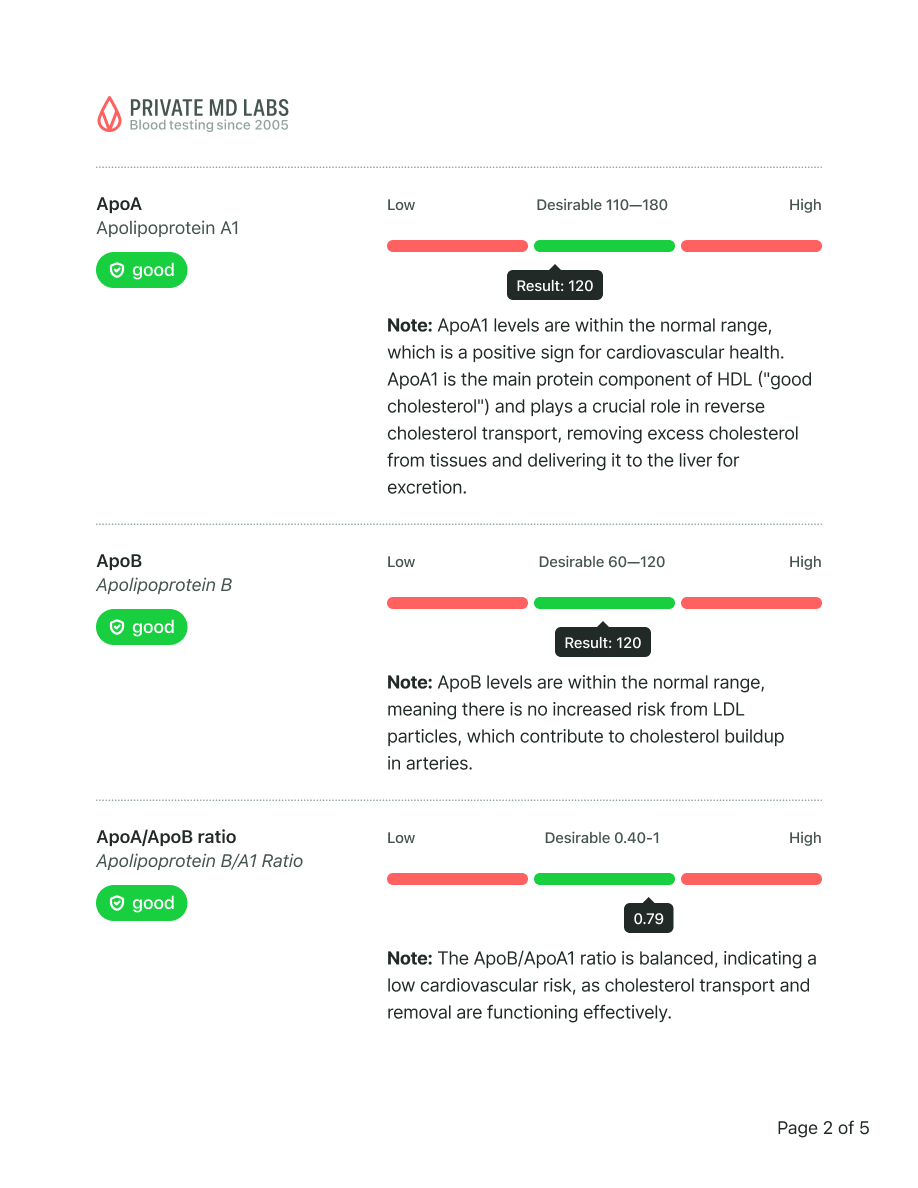
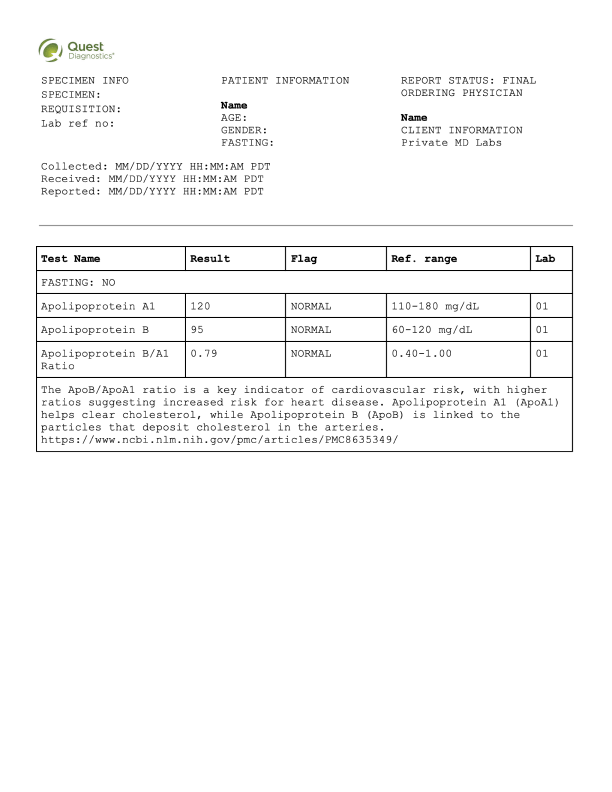
Sample results
TBG deficiency is a rare inherited condition where the body cannot produce adequate amounts of thyroxine binding globulin, a protein that transports thyroid hormones in the blood. It is caused by genetic mutations on the X chromosome affecting TBG protein production. The TBG (Thyroxine Binding Globulin) blood test is the most important test for diagnosis because it directly measures TBG protein levels in the blood.
TBG deficiency is caused by genetic mutations on the X chromosome that affect the production of thyroxine binding globulin protein. These mutations are inherited in an X-linked pattern, meaning the condition primarily affects males who inherit the defective gene from their mothers. Females who carry one mutated copy usually have partial TBG deficiency with milder symptoms, while males with the mutation typically have complete or near-complete deficiency of the TBG protein.
The TBG (Thyroxine Binding Globulin) blood test is the most important test for TBG deficiency because it directly measures the amount of TBG protein circulating in your blood. In people with TBG deficiency, this test will show significantly reduced or completely absent TBG levels, confirming the diagnosis. This test is essential because it distinguishes TBG deficiency from other thyroid disorders that may show similar initial results on routine thyroid screening. The test is particularly important when routine thyroid tests show low total T4 levels but you have no symptoms of hypothyroidism and your free thyroid hormone levels are normal.
You should get tested if routine thyroid screening shows unexpectedly low total T4 or T3 levels but you have no symptoms of hypothyroidism like fatigue, weight gain, or cold intolerance. Testing is also recommended if you have a family history of TBG deficiency, especially if you are male or planning pregnancy and want to understand carrier status. Your doctor may order this test if your free thyroid hormone levels are normal despite low total thyroid hormone levels, which creates a puzzling pattern that suggests TBG deficiency rather than true thyroid disease.
What this means
Your testosterone levels are slightly below the optimal range. While this is not necessarily cause for concern, it may contribute to occasional fatigue, reduced motivation, or lower muscle mass over time.
Recommended actions
Increase resistance or strength training
Prioritize 7–8 hours of quality sleep per night, try to reduce stress
Include more zinc- and magnesium-rich foods (like shellfish, beef, pumpkin seeds, spinach)
Consider retesting in 3–6 months
Not overhyped or overpriced. Just comprehensive blood testing made simple and for everyone.
Sample results
Your 24/7 Lab Guide
Quick questions: