1
Pick your test, pay $1 today Offer auto-applied at checkout
2
Book a lab visit & get tested In & out in less than 10 minutes
3Auto-pay remaining balance when your first results are ready
Starvation Blood Test
What is Starvation?
Starvation is a severe state of energy deficiency that occurs when food intake is insufficient to meet the body's basic metabolic needs. It is caused by prolonged nutrient deprivation that triggers metabolic adaptations including elevated reverse T3 and suppressed thyroid function. The Reverse T3, LC/MS/MS test is the most important test for assessing the body's metabolic response to starvation.
90-day money-back guaranteeLab order in minutesSave a trip to the doctorLow prices since 2005Labs within 2 miles
What causes starvation?
Starvation is caused by prolonged inadequate food intake that fails to meet the body's minimum energy and nutrient requirements. This can result from extreme food scarcity, severe eating disorders like anorexia nervosa, medical conditions that prevent eating or food absorption, or situations involving food insecurity and poverty. When the body is deprived of adequate nutrition for an extended period, it enters a state of metabolic crisis where normal physiological functions become compromised, triggering survival adaptations that slow metabolism and break down body tissues for energy.
What is the best test for starvation?
The Reverse T3, LC/MS/MS test is the most important blood test for starvation because it directly measures the body's metabolic adaptation to energy deprivation. During starvation, the body conserves energy by converting thyroid hormone T4 into inactive reverse T3 instead of active T3, creating a metabolic brake that slows calorie burning. Elevated reverse T3 levels serve as a biochemical marker of the severity and duration of nutrient deprivation. Additional tests that support starvation assessment include comprehensive metabolic panels to check electrolyte imbalances, complete blood counts to detect anemia, albumin and prealbumin to measure protein status, and glucose levels to monitor hypoglycemia.
When should I get tested for starvation?
You should get tested if you have experienced significant unintentional weight loss over a short period, have been consuming severely restricted calories for weeks or months, or have an eating disorder with extreme food restriction. Testing is also important if you notice symptoms like extreme fatigue, dizziness, inability to stay warm, hair loss, or mental confusion. Anyone recovering from prolonged fasting, food insecurity, or medical conditions that prevented adequate nutrition should undergo blood testing to assess metabolic damage and guide nutritional rehabilitation.
What are the symptoms of starvation?
Starvation symptoms include extreme fatigue and weakness, significant weight loss with visible muscle wasting, constant feelings of coldness and inability to regulate body temperature, and brittle hair that falls out easily. Other signs include dizziness and lightheadedness, difficulty concentrating and mental fog, slow heart rate and low blood pressure, dry and pale skin, sunken eyes, and loss of menstrual periods in women. Advanced starvation causes swelling in the legs and abdomen, increased susceptibility to infections, and potentially life-threatening organ dysfunction affecting the heart, kidneys, and liver.
Who is at risk for starvation?
People at highest risk for starvation include those with severe eating disorders such as anorexia nervosa or bulimia, individuals experiencing extreme poverty or homelessness with limited access to food, and populations affected by famine or humanitarian crises. Others at risk include elderly individuals living alone who may forget to eat or lack resources, people with chronic illnesses that suppress appetite or prevent food absorption, patients with cancer or AIDS experiencing severe wasting, and those with mental health conditions or substance abuse disorders that interfere with regular eating. Children in neglectful or abusive situations and individuals following extreme restrictive diets are also vulnerable.
What happens if starvation is left untreated?
Untreated starvation leads to progressive organ failure and death as the body exhausts all energy reserves. The heart muscle weakens, causing dangerous arrhythmias and potential cardiac arrest, while the immune system collapses, making infections deadly. Kidney and liver function deteriorate, leading to toxic buildup in the blood, and the brain experiences irreversible damage affecting cognition and memory. Bone density decreases dramatically, muscles waste away to the point where breathing becomes difficult, and electrolyte imbalances trigger seizures. Even if food becomes available after prolonged starvation, refeeding syndrome can occur, where rapid nutritional restoration causes fatal metabolic shifts without careful medical supervision.
Can starvation be diagnosed with a blood test?
Starvation is primarily diagnosed through clinical assessment of nutritional history, physical examination, and body composition measurements, but blood tests play an essential role in confirming the diagnosis and assessing its severity. Blood work reveals the metabolic consequences of prolonged nutrient deprivation, including elevated reverse T3 levels indicating metabolic suppression, low albumin and prealbumin showing protein deficiency, electrolyte imbalances, anemia, and abnormal liver and kidney function. These laboratory findings help distinguish starvation from other conditions causing weight loss and provide objective markers to monitor recovery and guide refeeding protocols.
How is starvation treated?
Starvation treatment requires careful medical supervision because rapid refeeding can be dangerous or fatal. Initial treatment focuses on slowly reintroducing calories and nutrients, starting with small amounts of easily digestible foods and gradually increasing intake over weeks. Medical teams closely monitor electrolytes, especially phosphorus, potassium, and magnesium, to prevent refeeding syndrome, a potentially deadly complication. Intravenous fluids and electrolyte replacement may be necessary in severe cases. Treatment also addresses underlying causes such as eating disorders through psychiatric care and therapy, treats complications like infections and organ dysfunction, and provides vitamin and mineral supplementation, particularly thiamine, to prevent neurological damage during recovery.
How can I prevent starvation?
Prevention of starvation centers on ensuring consistent access to adequate nutrition with balanced meals containing sufficient calories, protein, healthy fats, and micronutrients. Recognize early warning signs of disordered eating patterns and seek help promptly if food restriction becomes excessive or obsessive. Maintain regular medical checkups, especially if you have conditions affecting appetite or food absorption, and develop a support network to help during times of financial hardship or food insecurity. Learn about community resources like food banks, nutrition assistance programs, and meal delivery services for those at risk. For those with chronic illnesses affecting nutrition, work closely with healthcare providers and registered dietitians to maintain adequate intake and prevent malnutrition.
What can I do at home to support recovery from starvation?
Recovery from starvation must be supervised by healthcare professionals, but at home you can support the process by following your prescribed meal plan exactly as directed, eating small frequent meals rather than large portions to avoid overwhelming your digestive system, and staying hydrated with water and electrolyte-containing beverages. Rest is crucial as your body rebuilds tissues and restores function, so prioritize adequate sleep and avoid strenuous physical activity initially. Keep a food diary to track intake and symptoms, take all prescribed vitamin and mineral supplements, and maintain close communication with your medical team about any concerning symptoms like swelling, rapid heart rate, or confusion. Engage in mental health support through therapy or support groups, as addressing psychological aspects is essential for sustainable recovery.
How’s this work?
Getting your blood test with us is easy, private & backed by the power of science.
Long story short:
In the test options, use the filters or search box to narrow your choices and find the test you want.
If you need a hand navigating through options, text our super friendly support team at 754-799-7833, and we'll provide tailored suggestions to help you find the ideal test.
Once your order is placed, we’ll create your doctor’s lab order remotely, without any need for you to make a trip to a doctor in person or to talk to the doctor. Expect to receive your doctor’s lab order right in your inbox. It will also be in your patient portal if you need to find it later. We’ll also include instructions regarding fasting and other requirements for your test. Your patient portal will be auto-created hassle-free during checkout.
If this is your first time ordering, you'll be prompted to create a password for instant login access to your patient portal. It's a quick way to conveniently access your orders and results whenever you want.
When you’re ready, visit one of our 4,000 locations. Just bring your ID – no printing or faxing of your lab order is needed, as your order and details will already be in the lab system.
Note that most lab locations don’t accept walk-ins, so it’s best to book an appointment in advance. Don’t worry – we’ll provide detailed instructions along the way.
You’ll get your results via email & SMS and dive into understanding your body better. Yup, that easy!
If you have any questions, please text us at 754-799-7833 or email support@privatemdlabs.com and we'll gladly help you.
How do I know which test to get?
In the test options, find the test you want.
If you’re not sure which test to get, we can lend a hand in finding the right option.
Just text or call us at 754-799-7833, email us at support@privatemdlabs.com, and we'll gladly help you. We've got your back and reply quickly.
Is it possible to make changes to my lab order if I made a mistake with the name, date of birth, or any other details?
Absolutely! We totally understand that errors can happen. No worries, we're here to help you.
Just reach out to us via text at 754-799-7833 or shoot us an email at
support@privatemdlabs.com. Remember to include your order number and let us know the correct information you’d like to update.
Our awesome team will jump right in and make sure everything is sorted out and accurate for you.
There are no changes necessary if your address is wrong on the requisition though. We don’t mail anything out.
Our lab requires an address to be listed to generate an order.
Do you accept health insurance?
Only HSA & FSA is accepted.
Our services are strictly self-pay and cannot be submitted to your health insurance provider except for Health Savings Accounts or Flexible Savings Accounts.
This policy applies to all insurance companies, including federal health insurance programs like Medicare.
You can read more about our cancellation policy here.
How can I find a lab location near me?
During the ordering process, you’ll be able to select a specific lab near you, with no strings attached!
You can switch it up later easily and visit any of our authorized locations as long as it’s the same lab company you selected your test for (Quest Diagnostics or Labcorp).
Before you proceed with your order, feel free to browse through all our lab locations here. This will give you the peace of mind of knowing that there's a lab nearby your home, office or your favorite gym.
Here’s how easy it is to get blood work done on your terms
Order your testSave a trip to the doctor. Your results will come with clear, friendly explanations.Takes 2 minutes
Book an appointmentVisit any of our 4,000 nearby lab locations to have your samples collected.Book or walk-in
Get resultsReceive a clear, easy-to-digest health report by email & SMS within a few business days.Get answers, fast
Here’s why 1,000,000+ customers chose us for affordable hassle-free private blood testing.
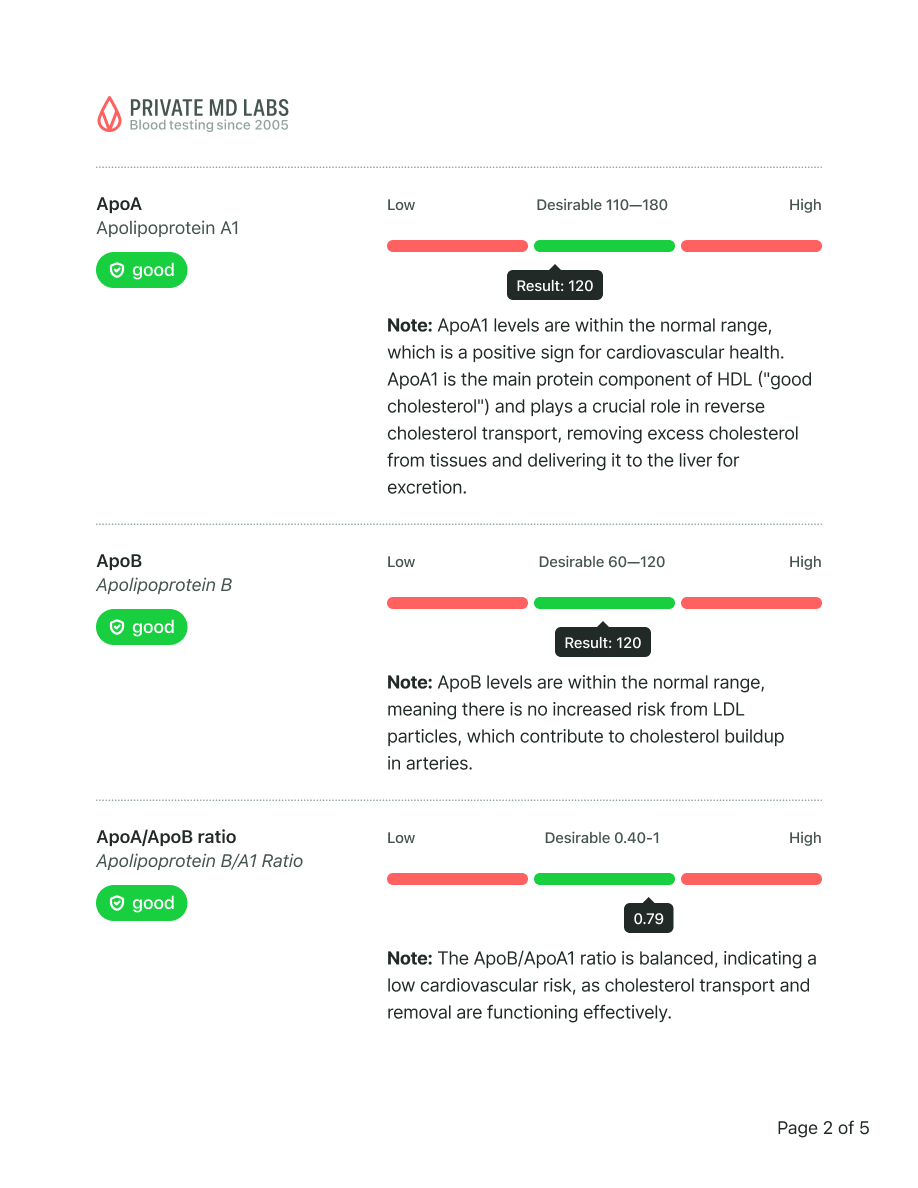
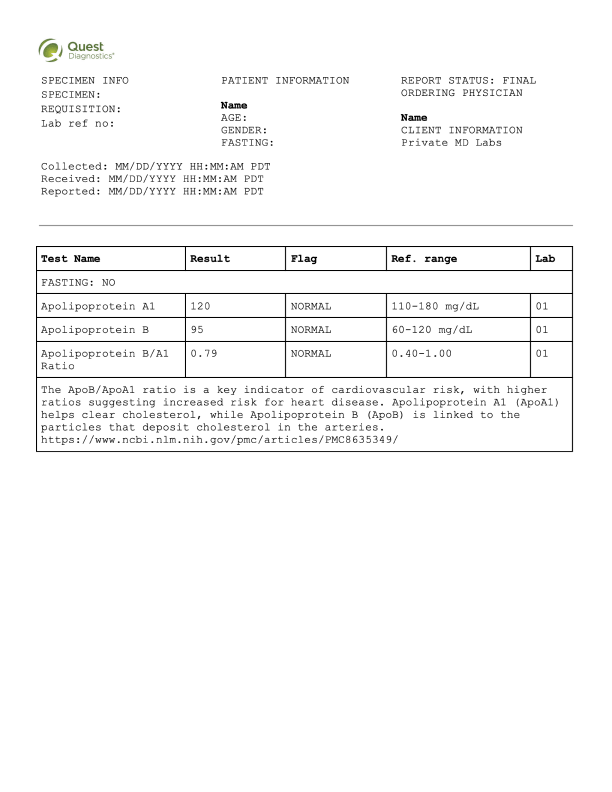
You get clinical lab reports & simplified health insights.
Save time & gas, go straight to the lab. Our doctors cover the rest.
Results start landing the next day after your lab visit.*
We don’t sell or share your data. Your time & privacy matter.
US-licensed doctors have your back if things get unclear.
No hidden fees, nice discounts for regular checkups.
Save a trip to the doctor, go directly to the lab
Instant orders, results often overnight*
Results explained in simple language
Reviewed by US licensed doctors
Fast & confidential, we never sell or share your data
No insurance needed, transparent pricing
Demo results
Testosterone375 ng/dL
Demo results
NormalOptimal 400 - 1000High
375 ng/dL
What this means
Your testosterone levels are slightly below the optimal range. While this is not necessarily cause for concern, it may contribute to occasional fatigue, reduced motivation, or lower muscle mass over time.
Recommended actions
Increase resistance or strength training
Prioritize 7–8 hours of quality sleep per night, try to reduce stress
Include more zinc- and magnesium-rich foods (like shellfish, beef, pumpkin seeds, spinach)
Consider retesting in 3–6 months
* Regular blood test results (e.g., CBC) typically start arriving the next business day after sample collection. More complex tests, such as hormone panels, may take up to 10–15 business days due to their complexity.
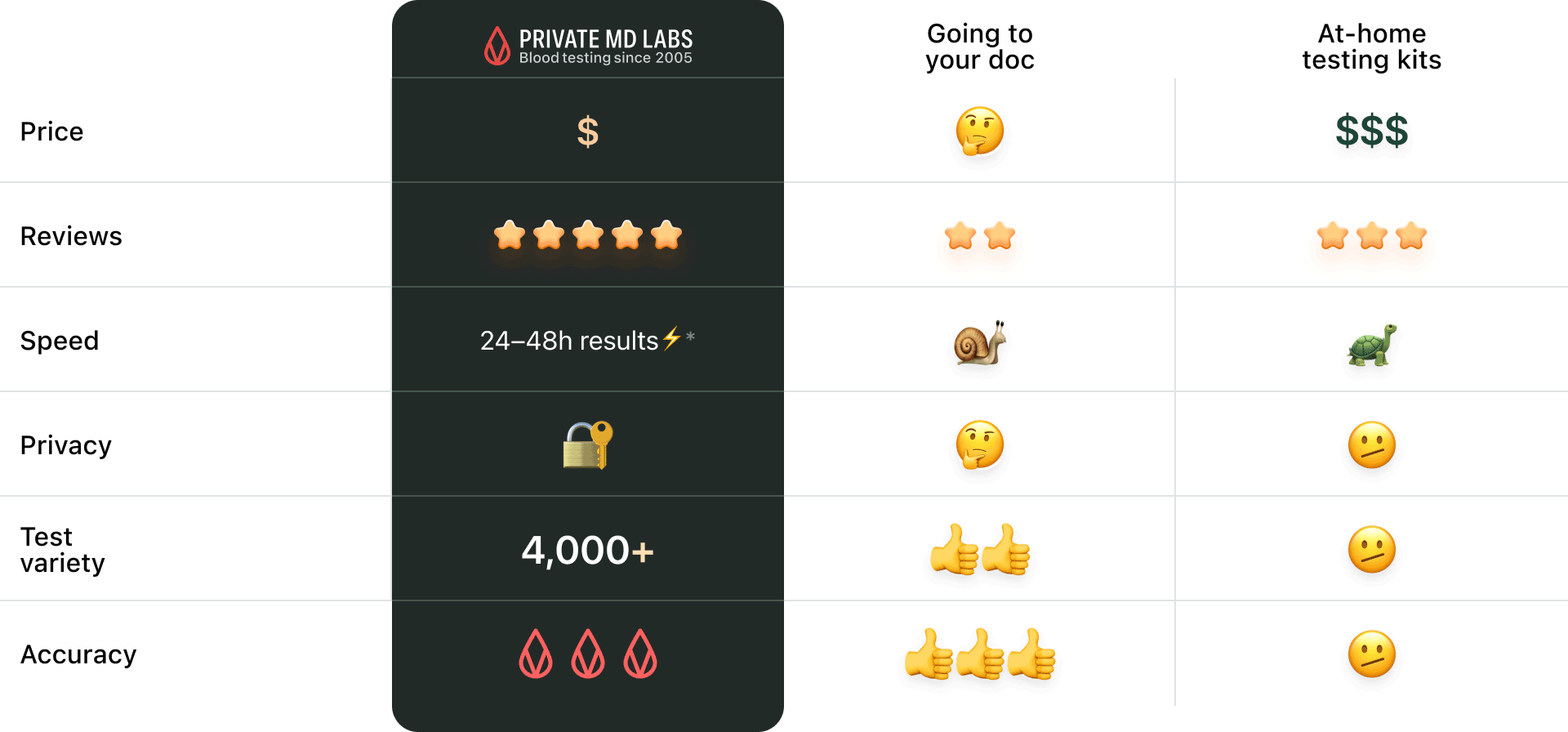
Us vs. Them
Not overhyped or overpriced. Just comprehensive blood testing made simple and for everyone.
* Regular blood test results (e.g., CBC) typically start arriving the next business day after sample collection. More complex tests, such as hormone panels, may take up to 10–15 business days due to their complexity.
1,000,000+ blood tests later, here's what our customers say
Estradiol Ultrasensitive results may get delayed due to high lab volume.It’s a nationwide delay affecting all labs (not just us). Standard processing times apply to all other tests in this panel.
Lipoprotein extended turnaround
Lipoprotein Fractionation, Ion Mobility results may get delayed due to high lab volume.It’s a nationwide delay affecting all labs (not just us). Standard processing times apply to all other tests in this panel.
Pregnenolone extended turnaround
Pregnenolone results may get delayed due to high lab volume.It’s a nationwide delay affecting all labs (not just us). Standard processing times apply to all other tests in this panel.



 90-day money-back guarantee
 Lab order in minutes
 Save a trip to the doctor
 Low prices since 2005
 Labs within 2 miles