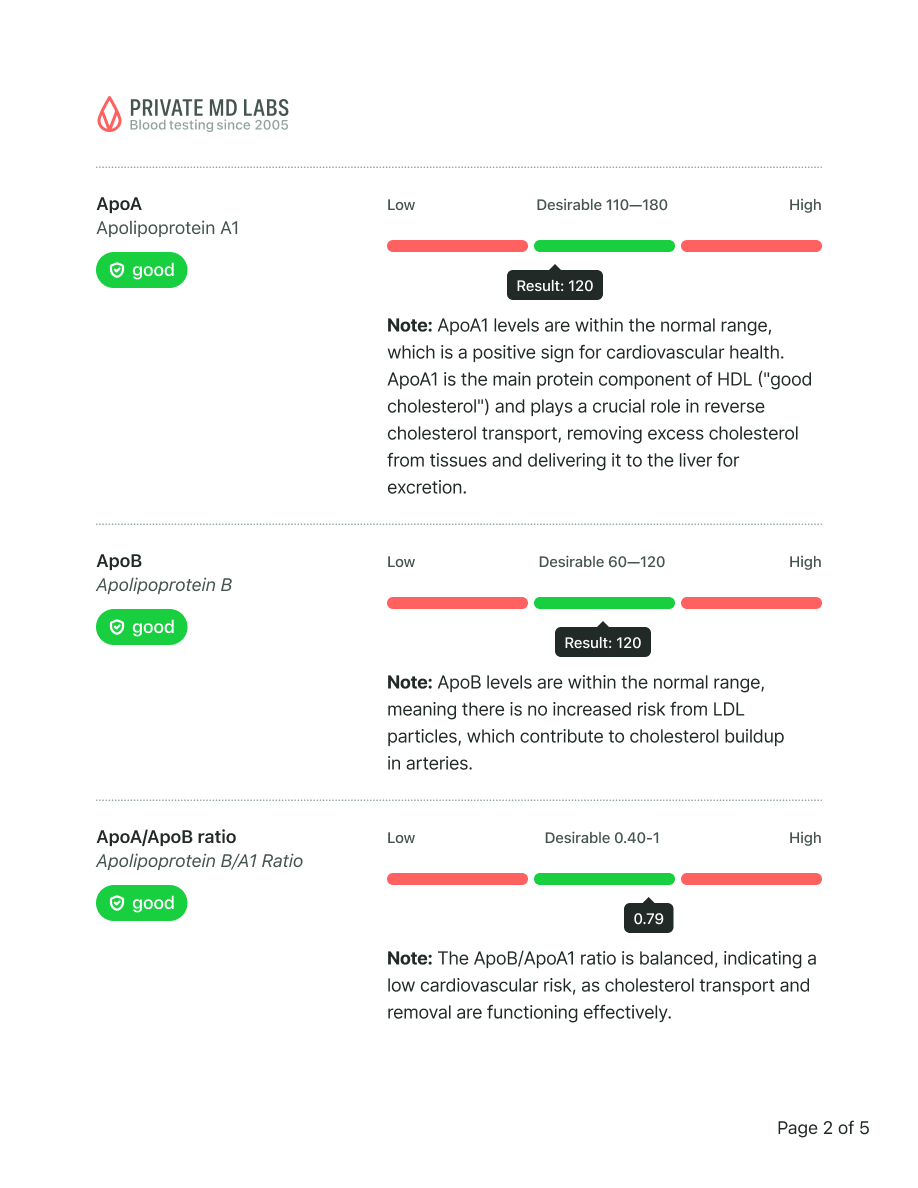
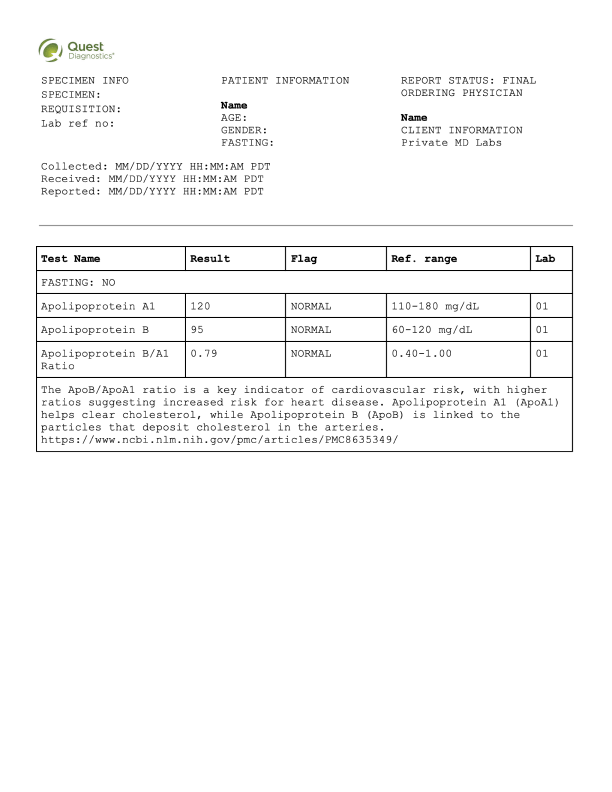
Sample results
Sirolimus toxicity is a dangerous condition that occurs when blood levels of the immunosuppressive medication sirolimus become excessively high. It is caused by inadequate monitoring, drug interactions, or improper dosing of sirolimus (also known as rapamycin). The Sirolimus LC/MS/MS blood test is the most important test for diagnosis because it precisely measures drug concentrations to detect toxic levels before serious complications develop.
Sirolimus toxicity is caused by excessive blood concentrations of the immunosuppressive drug sirolimus, which occurs when the medication accumulates faster than your body can eliminate it. Common causes include taking too high a dose, drug interactions with medications like certain antibiotics or antifungals that slow sirolimus metabolism, impaired liver or kidney function that reduces drug clearance, and consuming grapefruit juice which interferes with drug breakdown. Without regular blood level monitoring, sirolimus can build up to dangerous concentrations that overwhelm your system.
The Sirolimus LC/MS/MS blood test is the most important test for sirolimus toxicity because it uses liquid chromatography with tandem mass spectrometry to precisely measure sirolimus concentrations in your blood. This highly accurate testing method detects elevated drug levels that indicate potential toxicity, allowing your healthcare provider to adjust your dose before serious complications like mouth ulcers, severe diarrhea, kidney damage, or life-threatening lung disease develop. Regular monitoring with this test is essential for anyone taking sirolimus because the medication has a narrow therapeutic window where the difference between an effective dose and a toxic dose is very small.
You should get tested if you are taking sirolimus and experience symptoms like painful mouth sores, persistent diarrhea or nausea, new skin rashes, swelling in your legs or feet, or breathing difficulties. Testing is also critical when starting sirolimus treatment, after any dose changes, when beginning new medications that might interact with sirolimus, or if you develop liver or kidney problems. Your doctor will typically recommend regular monitoring every few weeks initially, then less frequently once stable levels are achieved, to catch dangerous elevations before they cause serious harm.
What this means
Your testosterone levels are slightly below the optimal range. While this is not necessarily cause for concern, it may contribute to occasional fatigue, reduced motivation, or lower muscle mass over time.
Recommended actions
Increase resistance or strength training
Prioritize 7–8 hours of quality sleep per night, try to reduce stress
Include more zinc- and magnesium-rich foods (like shellfish, beef, pumpkin seeds, spinach)
Consider retesting in 3–6 months
Not overhyped or overpriced. Just comprehensive blood testing made simple and for everyone.
Sample results
Your 24/7 Lab Guide
Quick questions: