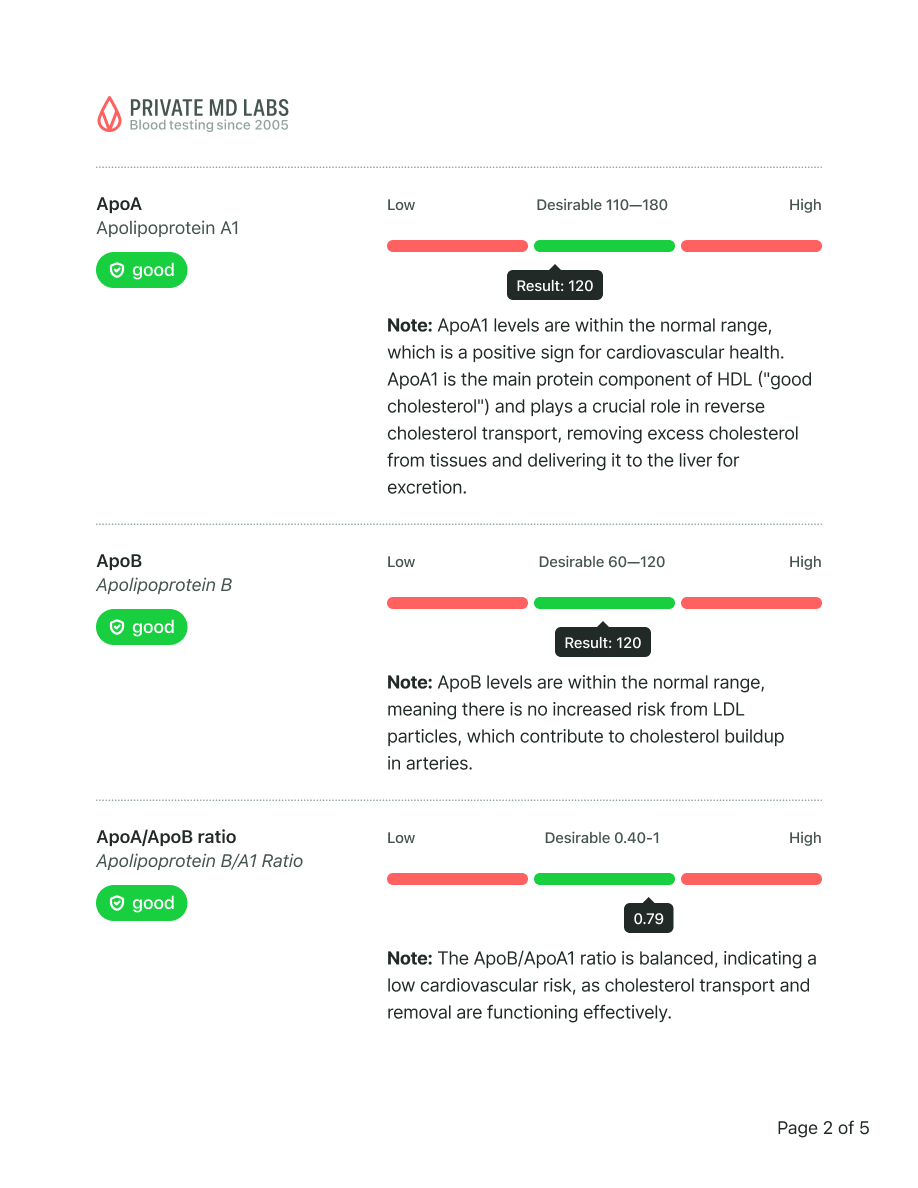
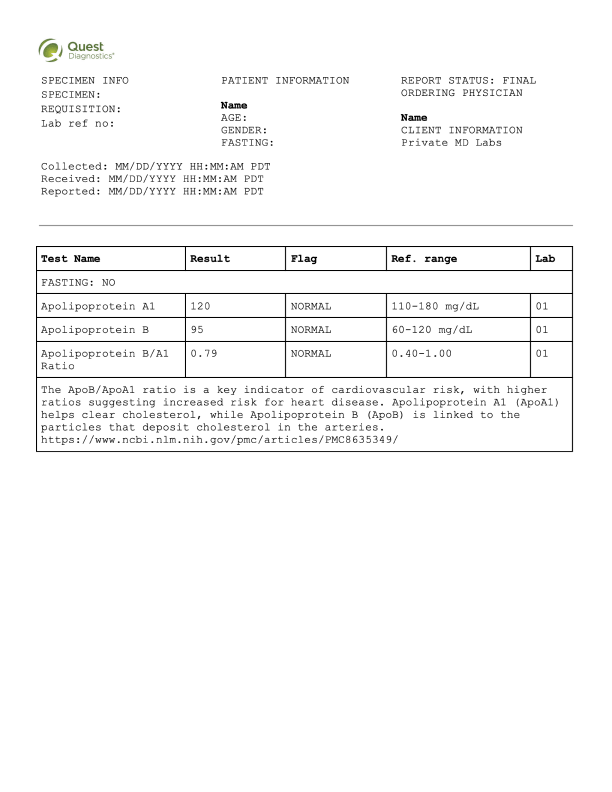
Sample results
Serum sickness is a delayed allergic reaction that occurs 1-3 weeks after exposure to certain medications or proteins. It is caused by immune complexes forming when antibodies bind to drug molecules, triggering widespread inflammation in blood vessels, joints, and tissues. The BasoFunction HRT Penicillin (Minor Det) test is the most important test for diagnosing penicillin-induced serum sickness because it measures specific immune response biomarkers that remain elevated during active drug allergy reactions.
Serum sickness is caused by immune complexes that form when your body produces antibodies against foreign proteins or medications. The most common triggers include antibiotics like penicillin and cefaclor, antiseizure medications, antivenom treatments, and certain biologic drugs. When these substances enter your bloodstream, your immune system may recognize them as threats and create antibodies that bind to the drug molecules, forming immune complexes that deposit in blood vessel walls, joints, and other tissues, causing widespread inflammation throughout your body.
The BasoFunction HRT Penicillin (Minor Det) test is the most important test for penicillin-induced serum sickness because it measures specific immune response biomarkers that remain elevated during active allergic reactions. This specialized test detects basophil activation and histamine release triggered by penicillin metabolites, which distinguishes delayed serum sickness reactions from immediate allergies. The test is particularly valuable when symptoms appear 1-3 weeks after medication exposure, as it can confirm that your immune system is still actively reacting to the drug even after you've stopped taking it.
You should get tested if you develop fever, rash, joint pain, or swollen lymph nodes 1-3 weeks after starting a new medication, especially antibiotics like penicillin. Testing is particularly important if you've recently received antivenom, monoclonal antibody treatments, or antiseizure drugs and begin experiencing these delayed symptoms. Early testing helps distinguish serum sickness from other conditions with similar symptoms and guides your doctor in adjusting your treatment plan to prevent complications.
What this means
Your testosterone levels are slightly below the optimal range. While this is not necessarily cause for concern, it may contribute to occasional fatigue, reduced motivation, or lower muscle mass over time.
Recommended actions
Increase resistance or strength training
Prioritize 7–8 hours of quality sleep per night, try to reduce stress
Include more zinc- and magnesium-rich foods (like shellfish, beef, pumpkin seeds, spinach)
Consider retesting in 3–6 months
Not overhyped or overpriced. Just comprehensive blood testing made simple and for everyone.
Sample results
Your 24/7 Lab Guide
Quick questions: