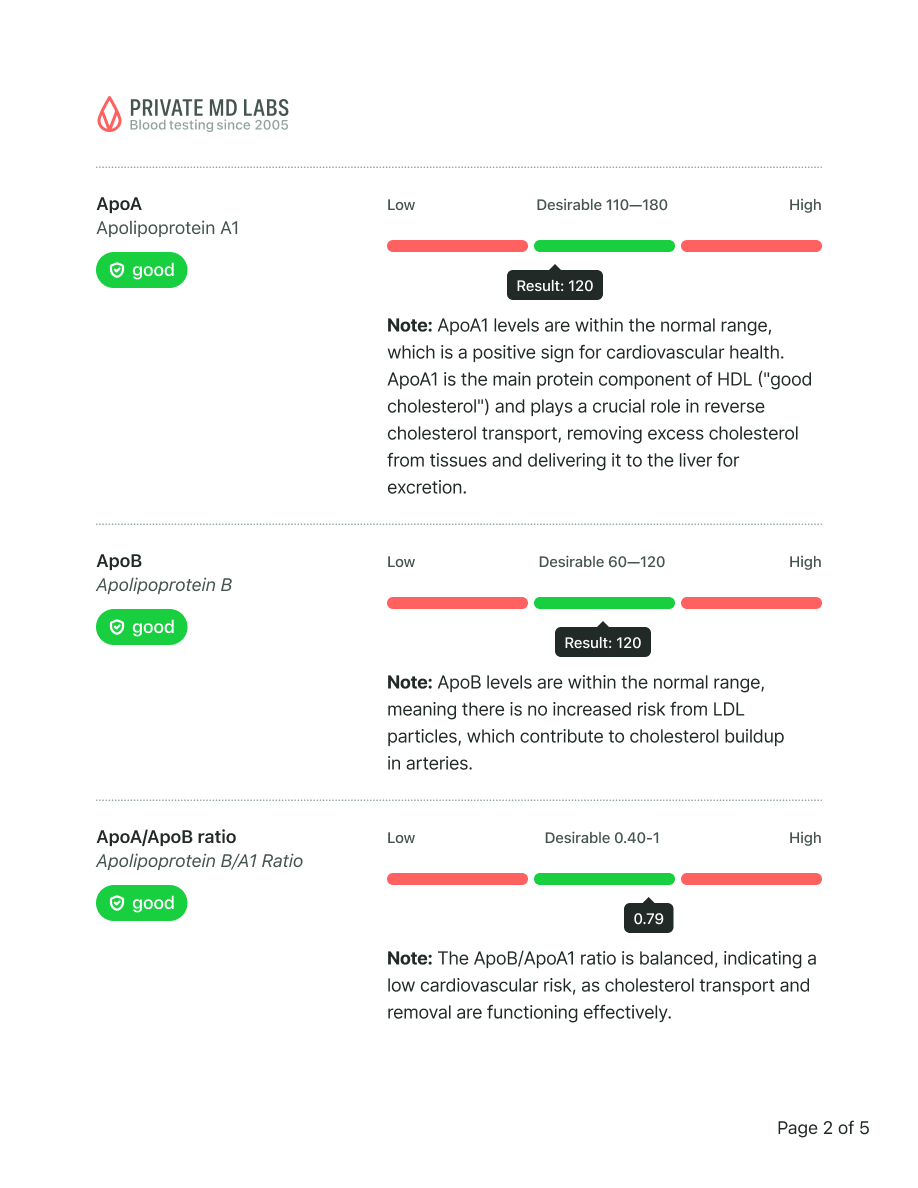
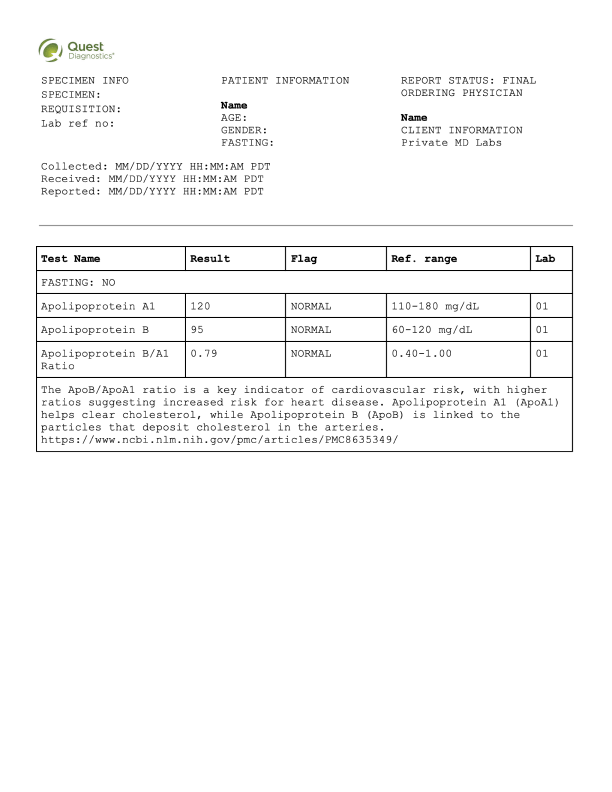
Sample results
Selective IgG Subclass Deficiency is an immunodeficiency disorder where one or more of the four IgG antibody subclasses (IgG1, IgG2, IgG3, or IgG4) are abnormally low. It is caused by impaired B-cell production of specific immunoglobulin subclasses, leading to reduced ability to fight bacterial and viral infections. The IgG blood test is the most important test for diagnosis because it measures all four IgG subclass levels to identify which specific antibody types are deficient.
Selective IgG Subclass Deficiency is caused by impaired production of specific immunoglobulin G antibody subclasses by B-cells in the immune system. The condition can be genetic or acquired, resulting in low levels of one or more of the four IgG subclasses (IgG1, IgG2, IgG3, or IgG4) while total IgG levels may appear normal. Each subclass protects against different types of infections, so deficiencies in specific subclasses leave you vulnerable to particular bacteria and viruses, especially those causing respiratory infections.
The IgG blood test is the most important test for Selective IgG Subclass Deficiency because it measures the levels of all four IgG subclasses (IgG1, IgG2, IgG3, and IgG4) individually. This comprehensive testing identifies which specific antibody subclass is deficient, allowing your doctor to understand your infection risk profile. While total immunoglobulin testing might show normal results, the IgG subclass panel reveals hidden deficiencies that explain recurrent respiratory infections, chronic sinusitis, or pneumonia. This specific testing is essential for anyone with frequent infections despite normal routine immune testing.

You should get tested if you experience recurrent sinus infections, pneumonia, or bronchitis that keep coming back despite treatment. Children with frequent ear infections or adults with chronic respiratory symptoms that don't improve with standard care should consider this testing. You should also get tested if you have normal total immunoglobulin levels but continue to have unexplained infections, or if your doctor suspects an immune deficiency affecting your ability to fight bacterial infections.
What this means
Your testosterone levels are slightly below the optimal range. While this is not necessarily cause for concern, it may contribute to occasional fatigue, reduced motivation, or lower muscle mass over time.
Recommended actions
Increase resistance or strength training
Prioritize 7–8 hours of quality sleep per night, try to reduce stress
Include more zinc- and magnesium-rich foods (like shellfish, beef, pumpkin seeds, spinach)
Consider retesting in 3–6 months
Not overhyped or overpriced. Just comprehensive blood testing made simple and for everyone.
Sample results
Your 24/7 Lab Guide
Quick questions: