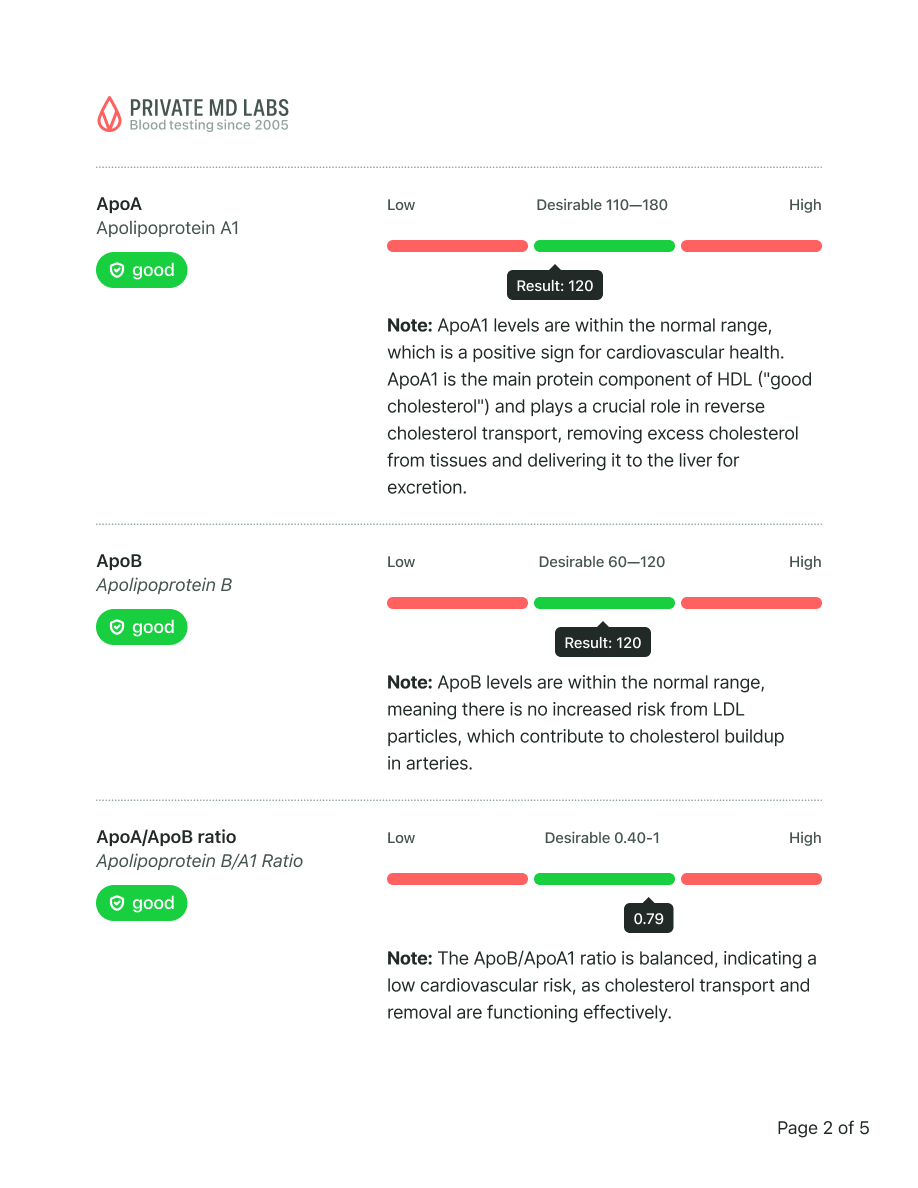
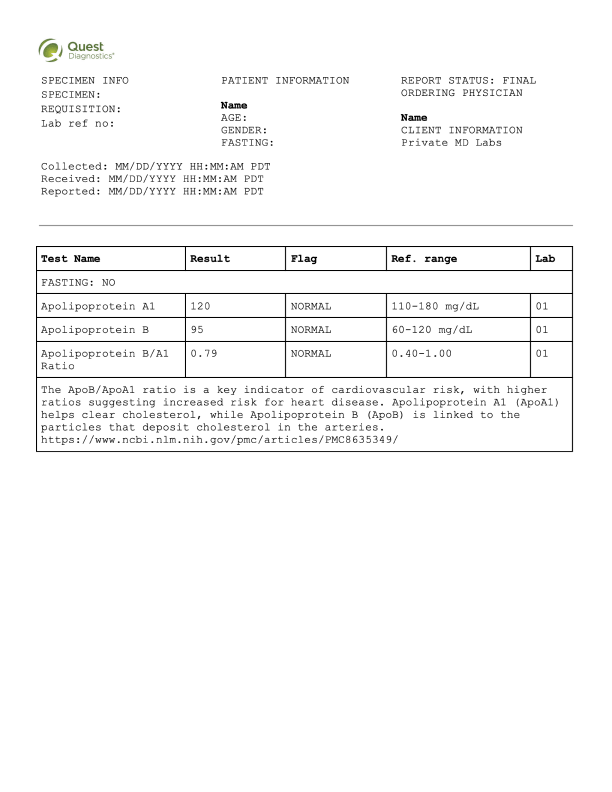
Sample results
Seasonal allergic rhinitis is an allergic reaction to airborne pollen from trees, grasses, and weeds that occurs during specific times of the year. It is caused by immunoglobulin E (IgE) antibodies that trigger histamine release when exposed to allergens like timothy grass pollen, ragweed, and tree pollen. The Respiratory Allergy Profile Region XVII is the most important test for diagnosis because it identifies specific allergen sensitivities in your region.
Seasonal allergic rhinitis is caused by an overactive immune response to airborne pollen from trees, grasses, and weeds. When you breathe in these allergens, your immune system produces immunoglobulin E (IgE) antibodies that recognize them as threats. These antibodies trigger the release of histamine and other inflammatory chemicals, leading to the classic hay fever symptoms like sneezing, congestion, and itchy eyes. Common culprits include timothy grass, ragweed, birch pollen, and other regional plants that release pollen during specific seasons.
The Respiratory Allergy Profile Region XVII is the most important test for seasonal allergic rhinitis because it identifies specific IgE antibodies to regional allergens that trigger your symptoms. This comprehensive panel tests for timothy grass, tree pollens, weed pollens, and other common allergens specific to the northwestern United States (California, Oregon, and Washington). The test measures your immune system's reaction to each allergen, allowing your healthcare provider to pinpoint exactly which pollens cause your hay fever. This targeted information enables personalized treatment plans, including appropriate medications, environmental avoidance strategies, and potential immunotherapy options.
You should get tested if you experience recurring sneezing, runny nose, nasal congestion, or itchy eyes during the same time each year, typically spring or fall. Testing is particularly important if over-the-counter allergy medications are not providing adequate relief, if you want to identify specific triggers to avoid them, or if you are considering immunotherapy (allergy shots). Getting tested can also help distinguish seasonal allergies from other conditions like chronic sinusitis or year-round allergies, ensuring you receive the most effective treatment for your specific situation.
What this means
Your testosterone levels are slightly below the optimal range. While this is not necessarily cause for concern, it may contribute to occasional fatigue, reduced motivation, or lower muscle mass over time.
Recommended actions
Increase resistance or strength training
Prioritize 7–8 hours of quality sleep per night, try to reduce stress
Include more zinc- and magnesium-rich foods (like shellfish, beef, pumpkin seeds, spinach)
Consider retesting in 3–6 months
Not overhyped or overpriced. Just comprehensive blood testing made simple and for everyone.
Sample results
Your 24/7 Lab Guide
Quick questions: