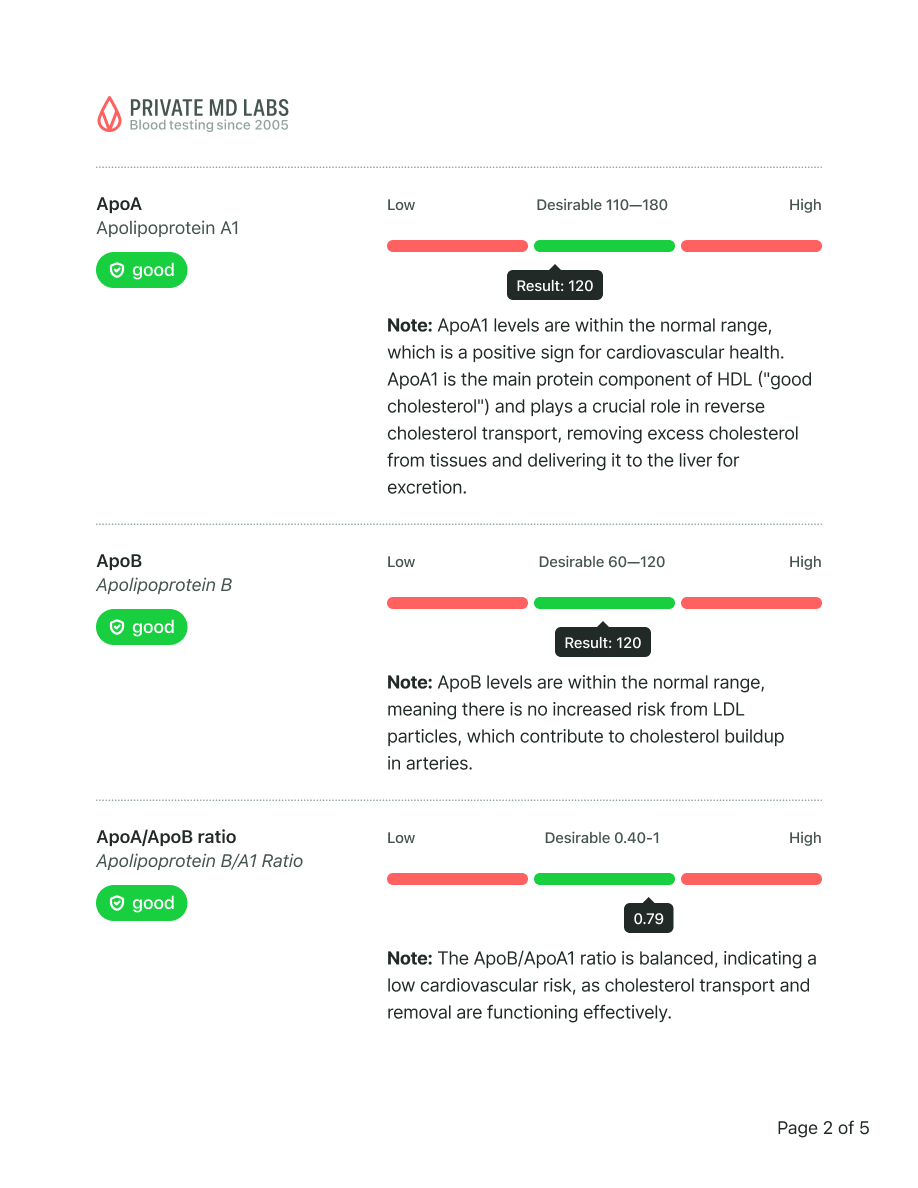
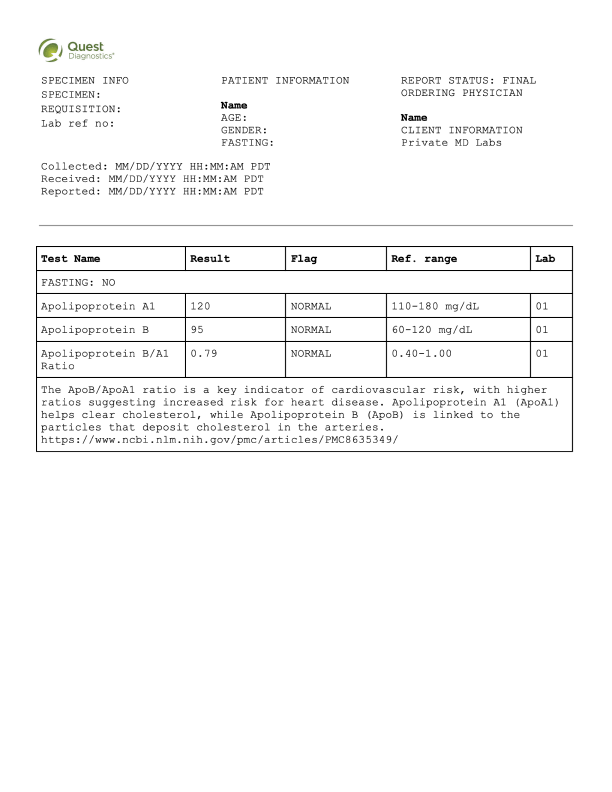
Sample results
Rotor syndrome is a rare, benign genetic disorder that causes mild jaundice due to the liver's inability to properly process bilirubin. It is caused by mutations in the SLCO1B1 and SLCO1B3 genes, which are inherited in an autosomal recessive pattern and affect bilirubin transport proteins. The Direct Bilirubin Blood Test is the most important test for diagnosis because it reveals the characteristic elevation of both conjugated and unconjugated bilirubin levels.
Rotor syndrome is caused by mutations in both the SLCO1B1 and SLCO1B3 genes, which must be inherited from both parents in an autosomal recessive pattern. These genes normally produce proteins called organic anion transporting polypeptides (OATP1B1 and OATP1B3) that help transport bilirubin and other substances into liver cells for processing. When both genes are defective, bilirubin cannot be efficiently moved into liver cells and accumulates in the bloodstream, causing mild jaundice that typically appears in adolescence or early adulthood.
The Bilirubin, Direct blood test is the most important test for Rotor syndrome because it measures conjugated (direct) bilirubin levels, which are characteristically elevated alongside indirect bilirubin in this condition. This distinctive pattern of both bilirubin fractions being elevated, typically ranging from 2 to 5 mg/dL total bilirubin, helps distinguish Rotor syndrome from other genetic bilirubin disorders like Dubin-Johnson syndrome. A comprehensive metabolic panel may also be ordered to confirm that other liver enzymes remain normal, which is typical in Rotor syndrome and helps rule out more serious liver diseases.

You should get tested if you notice persistent yellowing of your skin or eyes (jaundice) that comes and goes, especially if it worsens during illness, fasting, or stressful periods. Testing is particularly important if you have a family history of unexplained jaundice or if blood work has previously shown elevated bilirubin levels without a clear cause. You should also consider testing if you experience mild jaundice that started in your teenage years or early adulthood, as this is when Rotor syndrome typically first appears, or if you need to rule out more serious liver conditions.
What this means
Your testosterone levels are slightly below the optimal range. While this is not necessarily cause for concern, it may contribute to occasional fatigue, reduced motivation, or lower muscle mass over time.
Recommended actions
Increase resistance or strength training
Prioritize 7–8 hours of quality sleep per night, try to reduce stress
Include more zinc- and magnesium-rich foods (like shellfish, beef, pumpkin seeds, spinach)
Consider retesting in 3–6 months
Not overhyped or overpriced. Just comprehensive blood testing made simple and for everyone.
Sample results
Your 24/7 Lab Guide
Quick questions: