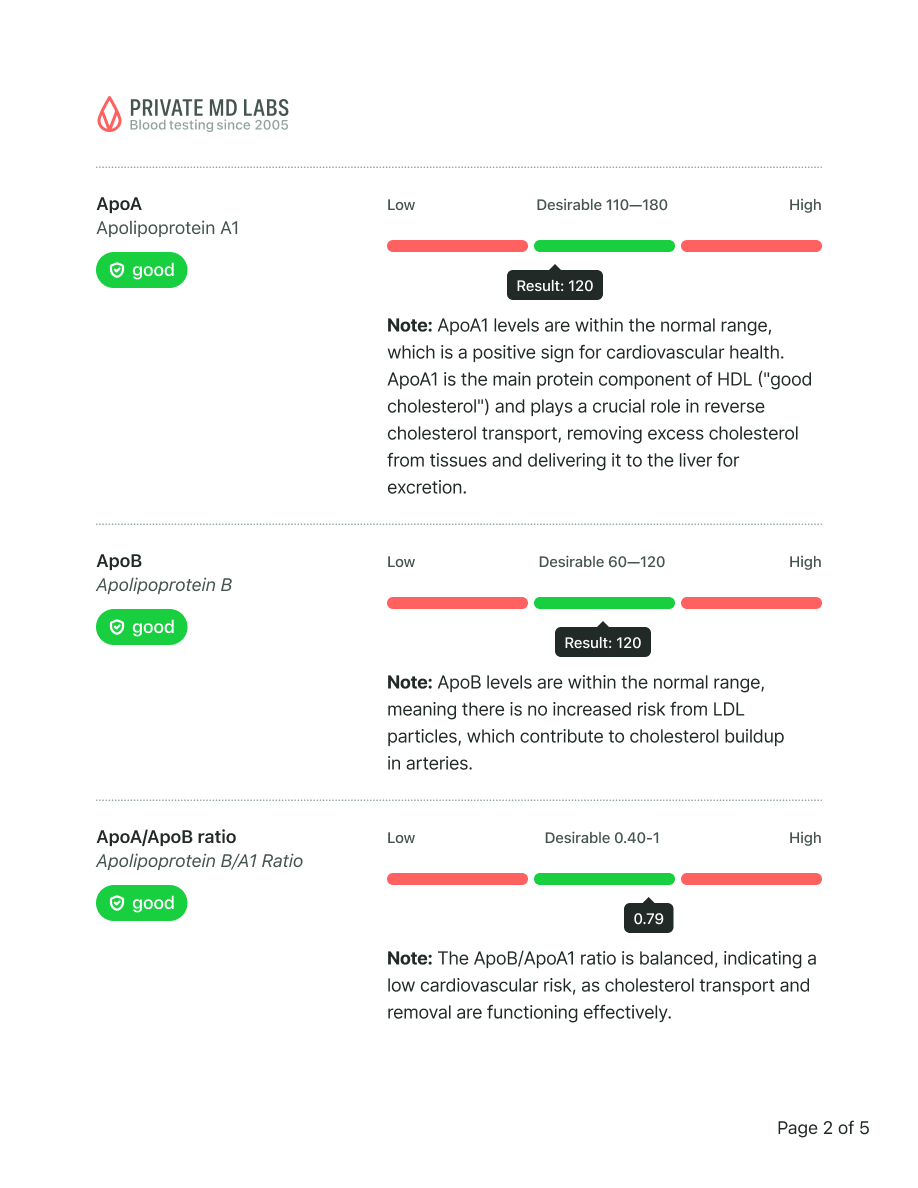
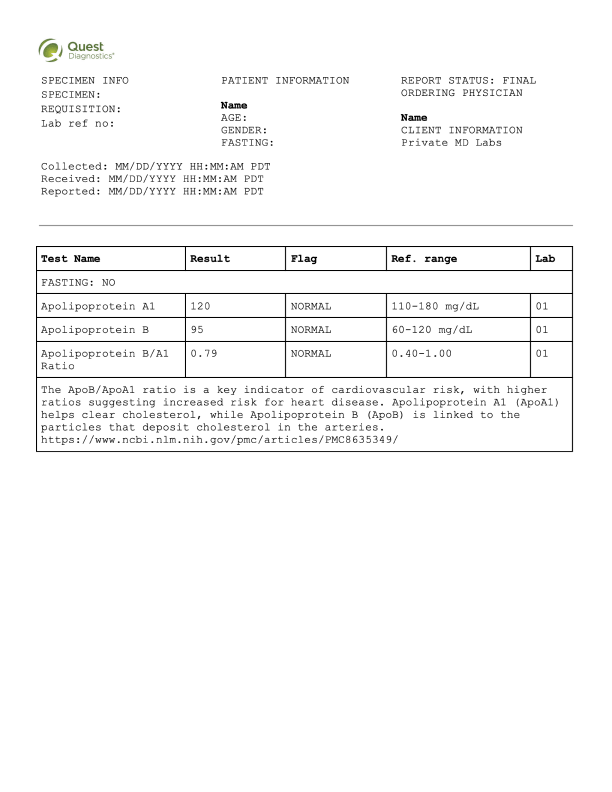
Sample results
Reactive arthritis is an inflammatory condition that develops as a reaction to an infection in another part of the body, commonly affecting joints, eyes, skin, and the urinary tract. It is caused by bacterial infections such as Chlamydia trachomatis, Salmonella, Shigella, or Campylobacter that trigger an autoimmune response. The HLA-B27 Antigen test is the most important test for assessing genetic risk, as individuals with this marker have significantly greater susceptibility to developing reactive arthritis.
Reactive arthritis is caused by bacterial infections in other parts of the body that trigger an autoimmune inflammatory response. The most common bacterial culprits include Chlamydia trachomatis (sexually transmitted), Salmonella, Shigella, Campylobacter, and Yersinia (typically from contaminated food). Your immune system responds to these infections by mistakenly attacking your own joints, eyes, skin, and urinary tract, causing inflammation weeks after the initial infection has cleared.
The HLA-B27 Antigen test is the most important test for reactive arthritis because it identifies a genetic marker strongly associated with developing this condition. About 75-80% of people with reactive arthritis test positive for HLA-B27, compared to only 6-8% of the general population. This test helps assess your genetic risk and supports diagnosis when combined with clinical symptoms. For a more comprehensive genetic assessment, the HLA-A, B, C, DRB1 and DQ High Resolution test provides detailed profiling of multiple genetic markers that influence susceptibility to reactive arthritis and other inflammatory conditions.
You should get tested if you develop joint pain and swelling in your knees, ankles, or feet within a few weeks of having a gastrointestinal infection or sexually transmitted infection. Testing is particularly important if you also experience eye redness or inflammation, painful urination, skin rashes on your palms or soles, or lower back pain along with joint symptoms. Early genetic testing with HLA-B27 helps your healthcare provider assess your risk and develop an appropriate treatment plan, especially if you have a family history of inflammatory arthritis conditions.
What this means
Your testosterone levels are slightly below the optimal range. While this is not necessarily cause for concern, it may contribute to occasional fatigue, reduced motivation, or lower muscle mass over time.
Recommended actions
Increase resistance or strength training
Prioritize 7–8 hours of quality sleep per night, try to reduce stress
Include more zinc- and magnesium-rich foods (like shellfish, beef, pumpkin seeds, spinach)
Consider retesting in 3–6 months
Not overhyped or overpriced. Just comprehensive blood testing made simple and for everyone.
Sample results
Your 24/7 Lab Guide
Quick questions: