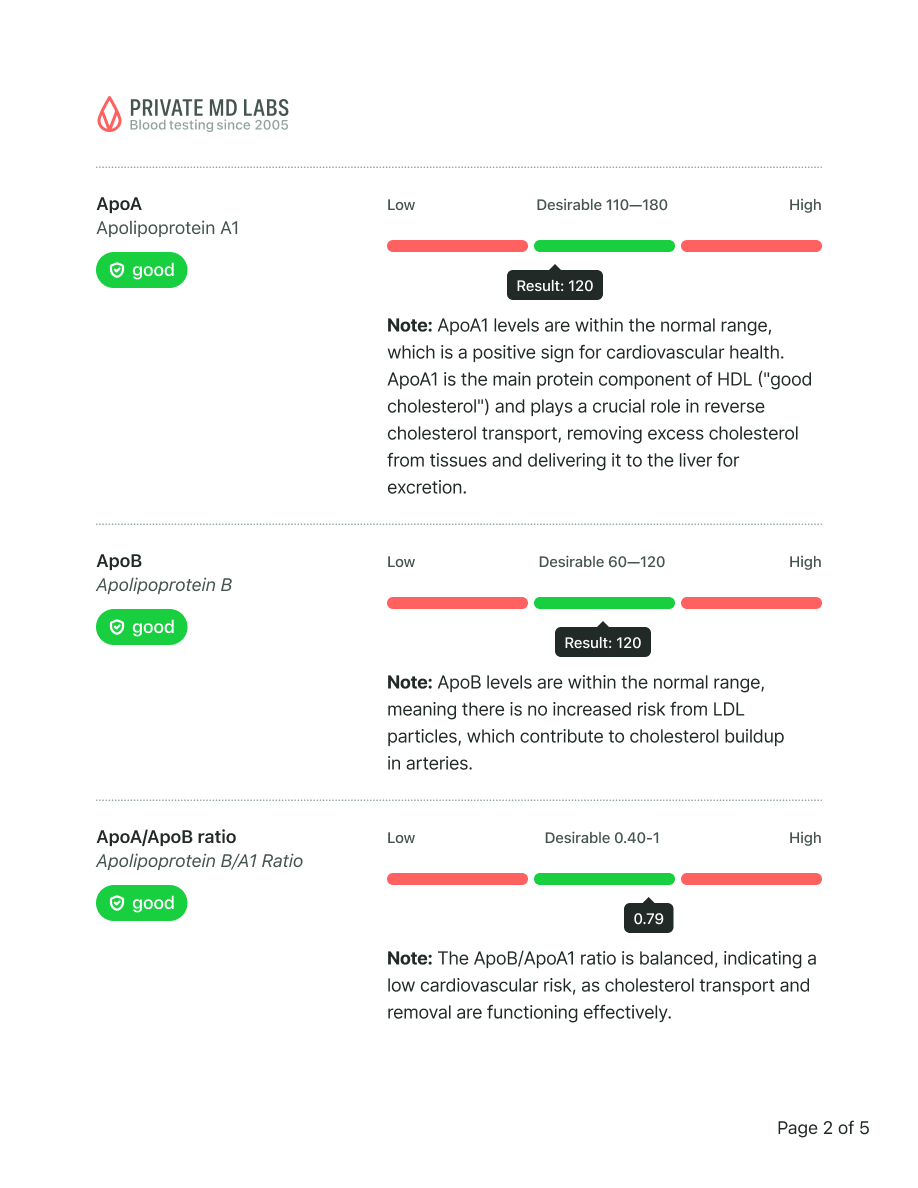
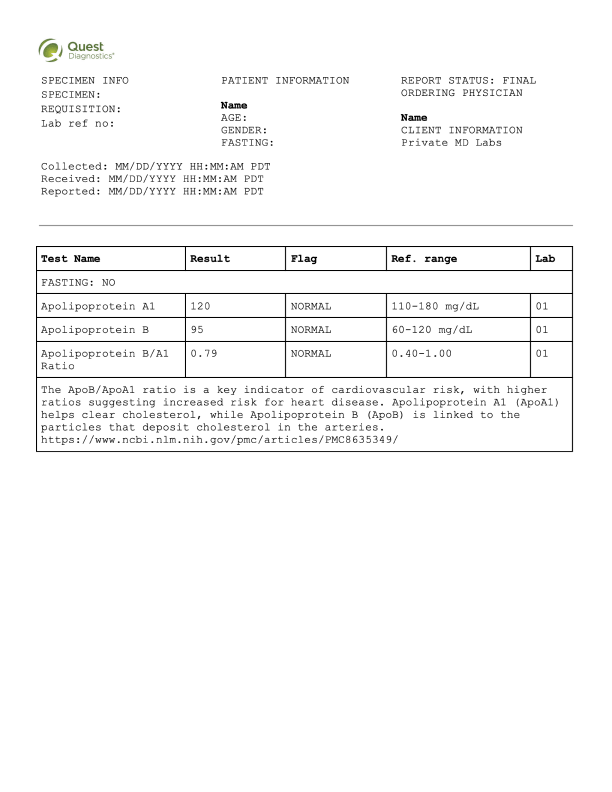
Sample results
CMV reactivation occurs when dormant cytomegalovirus becomes active again in the body after initial infection. It is caused by immune system suppression from conditions like HIV, organ transplants, or immunosuppressive medications. The Cytomegalovirus (CMV) Antibodies IgG test is the most important test for detecting reactivation, as significantly elevated or rising IgG antibody levels indicate the virus has become active again.
CMV reactivation is caused by weakening of the immune system that allows dormant cytomegalovirus to become active again. After the initial infection, CMV remains in your body for life in a dormant state. When your immune system becomes suppressed due to conditions like HIV, organ transplantation, cancer treatment, or long-term steroid use, the virus can reactivate and begin multiplying again. Stress, illness, or pregnancy can also trigger reactivation in some people.
The Cytomegalovirus (CMV) Antibodies IgG test is the most important test for CMV reactivation because it measures antibody levels that indicate viral activity. While IgG antibodies are normally present in anyone who has had CMV before, significantly elevated or rapidly rising IgG levels suggest the virus has reactivated and is actively replicating in your body. This test is especially valuable for immunocompromised individuals, transplant recipients, and pregnant women who need to monitor for viral reactivation. Healthcare providers often order serial testing to track whether antibody levels are increasing over time, which confirms reactivation rather than just past exposure.
You should get tested if you have a weakened immune system and develop symptoms like fever, fatigue, or muscle aches. Organ transplant recipients should test regularly as part of post-transplant monitoring, and people with HIV or those taking immunosuppressive medications should test when experiencing unexplained symptoms. Pregnant women who previously had CMV should consider testing if they develop flu-like symptoms, as reactivation during pregnancy can affect the baby. Anyone undergoing cancer treatment or long-term steroid therapy should discuss testing with their healthcare provider.
What this means
Your testosterone levels are slightly below the optimal range. While this is not necessarily cause for concern, it may contribute to occasional fatigue, reduced motivation, or lower muscle mass over time.
Recommended actions
Increase resistance or strength training
Prioritize 7–8 hours of quality sleep per night, try to reduce stress
Include more zinc- and magnesium-rich foods (like shellfish, beef, pumpkin seeds, spinach)
Consider retesting in 3–6 months
Not overhyped or overpriced. Just comprehensive blood testing made simple and for everyone.
Sample results
Your 24/7 Lab Guide
Quick questions: