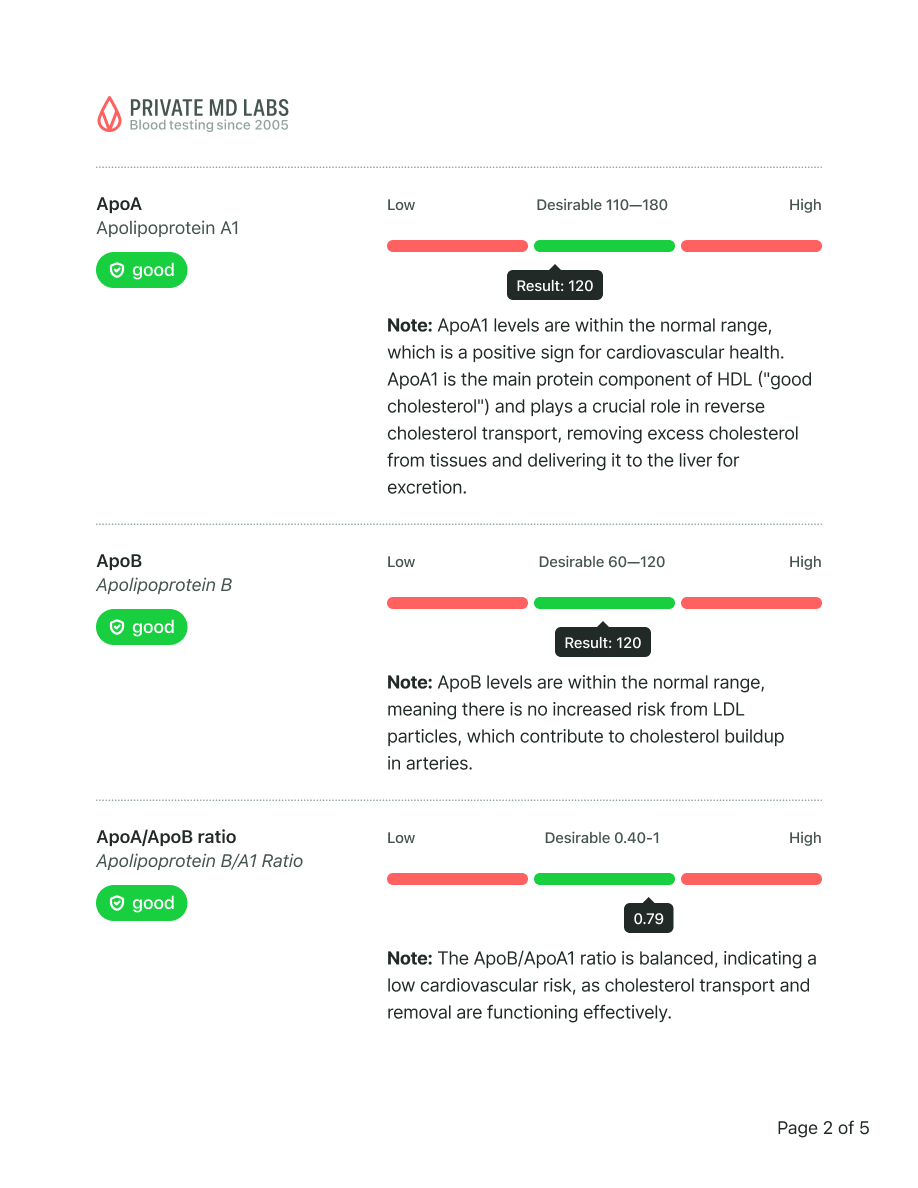
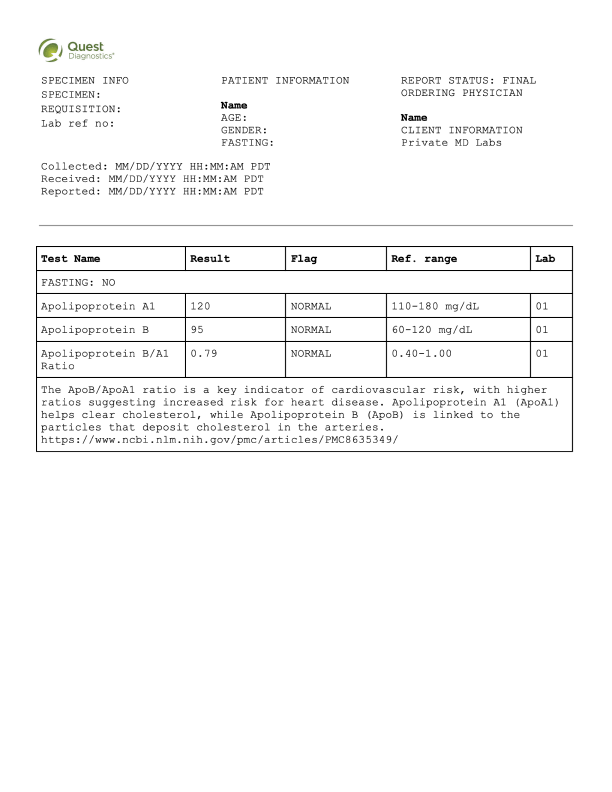
Sample results
Purpura fulminans is a rare, life-threatening condition characterized by sudden skin necrosis and widespread blood clotting throughout the body. It is caused by congenital deficiencies in Protein S and Protein C, natural anticoagulant proteins that regulate blood clot formation. The Protein S Antigen, Free test is the most important test for diagnosing this severe thrombotic disorder.
Purpura fulminans is caused by severe deficiencies in natural anticoagulant proteins, primarily Protein S and Protein C, which normally regulate blood clotting in the body. When these proteins are deficient due to congenital genetic mutations, the blood clotting system becomes uncontrolled, leading to widespread clot formation throughout small blood vessels. This catastrophic clotting blocks blood flow to the skin and other tissues, causing rapid tissue death and the characteristic dark purple skin patches that define this medical emergency.
The Protein S Antigen, Free test is the most important test for purpura fulminans because it directly measures the level of free Protein S, one of the key natural anticoagulants whose deficiency causes this condition. This test identifies whether you have dangerously low levels of functional Protein S that leave you vulnerable to the catastrophic clotting seen in purpura fulminans. Testing for Protein S deficiency is essential for confirming the underlying cause, guiding emergency treatment decisions, and preventing future episodes through appropriate anticoagulation therapy.
You should get tested if you experience sudden dark purple patches on your skin that feel painful or numb, unexplained bruising that rapidly spreads, or if you have a family history of unusual clotting disorders or early death from blood clots. Testing is also critical if you develop skin necrosis during a severe infection, after trauma, or following pregnancy. Because purpura fulminans is a life-threatening emergency, immediate medical attention and testing are essential if you notice rapidly spreading skin discoloration accompanied by fever or signs of shock.
What this means
Your testosterone levels are slightly below the optimal range. While this is not necessarily cause for concern, it may contribute to occasional fatigue, reduced motivation, or lower muscle mass over time.
Recommended actions
Increase resistance or strength training
Prioritize 7–8 hours of quality sleep per night, try to reduce stress
Include more zinc- and magnesium-rich foods (like shellfish, beef, pumpkin seeds, spinach)
Consider retesting in 3–6 months
Not overhyped or overpriced. Just comprehensive blood testing made simple and for everyone.
Sample results
Your 24/7 Lab Guide
Quick questions: