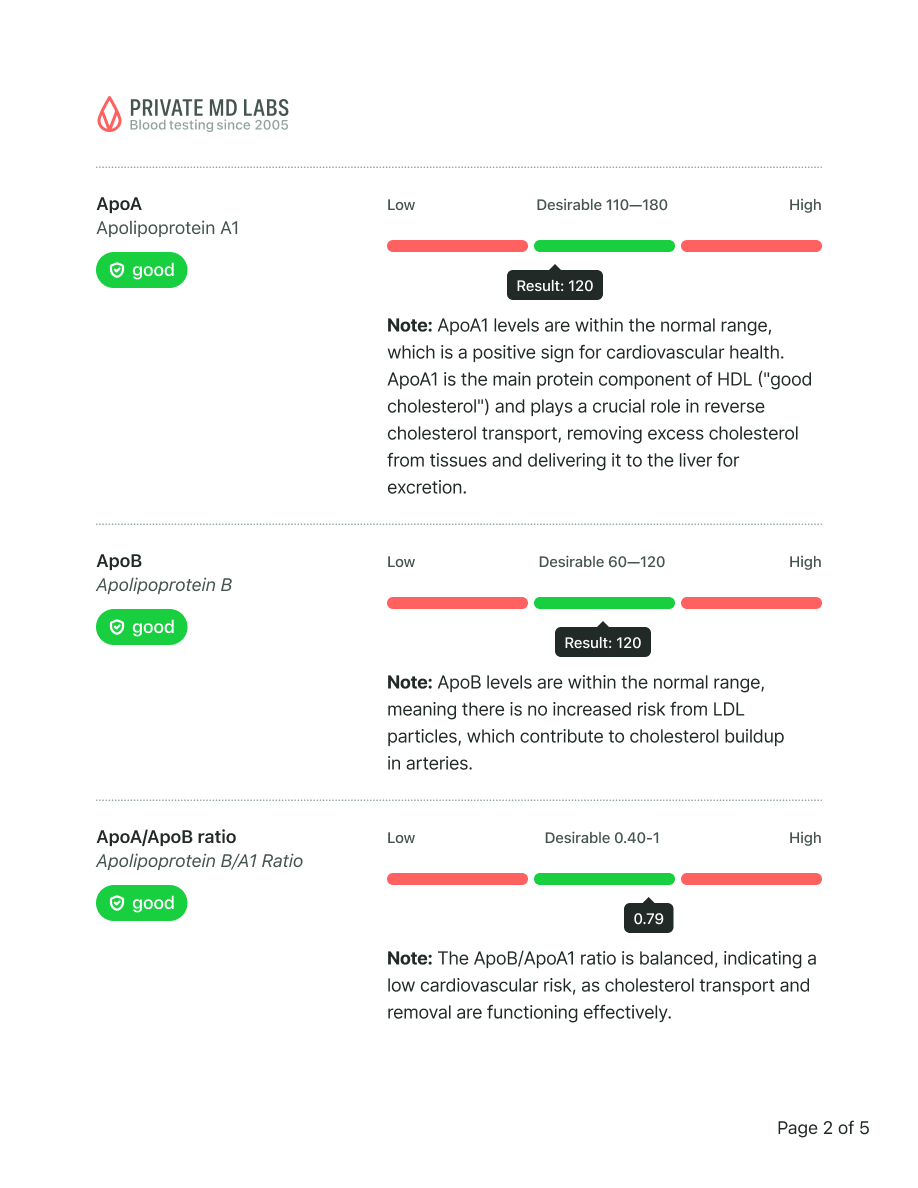
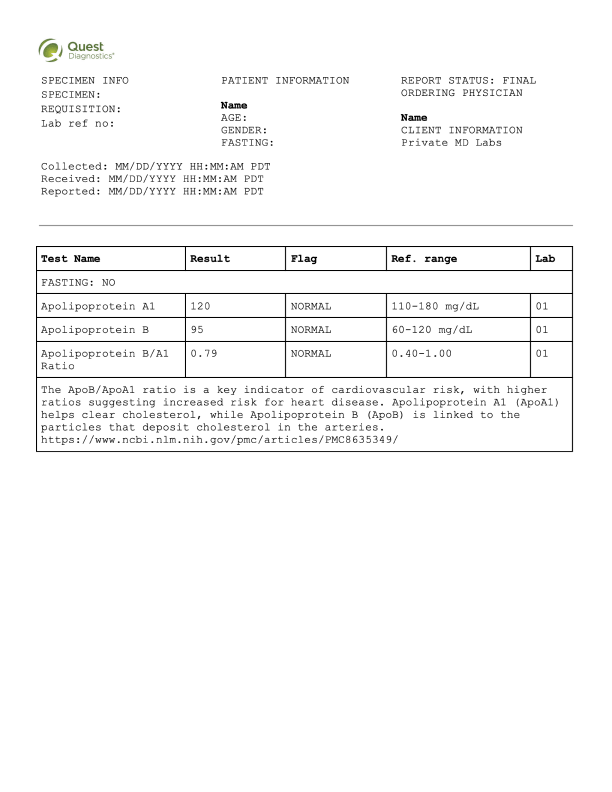
Sample results
Protein C deficiency is a rare inherited blood clotting disorder that increases the risk of abnormal blood clots. It is caused by genetic mutations that reduce the production or function of protein C, a natural anticoagulant protein in the blood. The Protein C Activity test is the most important test for diagnosing this condition because it directly measures functional protein C levels.
Protein C deficiency is caused by genetic mutations inherited from one or both parents that affect the PROC gene responsible for producing protein C. Type I deficiency results from reduced protein C production, while Type II deficiency produces normal amounts of dysfunctional protein C. This inherited condition disrupts the body's natural anticoagulation system, making it difficult to regulate blood clot formation and increasing the risk of dangerous clots in veins.
The Protein C Activity test is the most important test for protein C deficiency because it directly measures how well protein C functions as an anticoagulant in your blood. This functional test detects both quantitative deficiencies (low protein C levels) and qualitative deficiencies (dysfunctional protein C), making it the gold standard for diagnosis. Low protein C activity levels below the normal range confirm the deficiency and help explain recurrent blood clots or family history of thrombotic events, guiding appropriate anticoagulation therapy decisions.
You should get tested if you have experienced unexplained blood clots before age 50, recurrent deep vein thrombosis or pulmonary embolism, blood clots in unusual locations like abdominal veins, or a strong family history of clotting disorders. Testing is also recommended if you have developed blood clots during pregnancy or while taking birth control pills, or if you experienced unusual clotting complications during surgery. Early diagnosis allows for preventive anticoagulation therapy before life-threatening clots develop.
What this means
Your testosterone levels are slightly below the optimal range. While this is not necessarily cause for concern, it may contribute to occasional fatigue, reduced motivation, or lower muscle mass over time.
Recommended actions
Increase resistance or strength training
Prioritize 7–8 hours of quality sleep per night, try to reduce stress
Include more zinc- and magnesium-rich foods (like shellfish, beef, pumpkin seeds, spinach)
Consider retesting in 3–6 months
Not overhyped or overpriced. Just comprehensive blood testing made simple and for everyone.
Sample results
Your 24/7 Lab Guide
Quick questions: