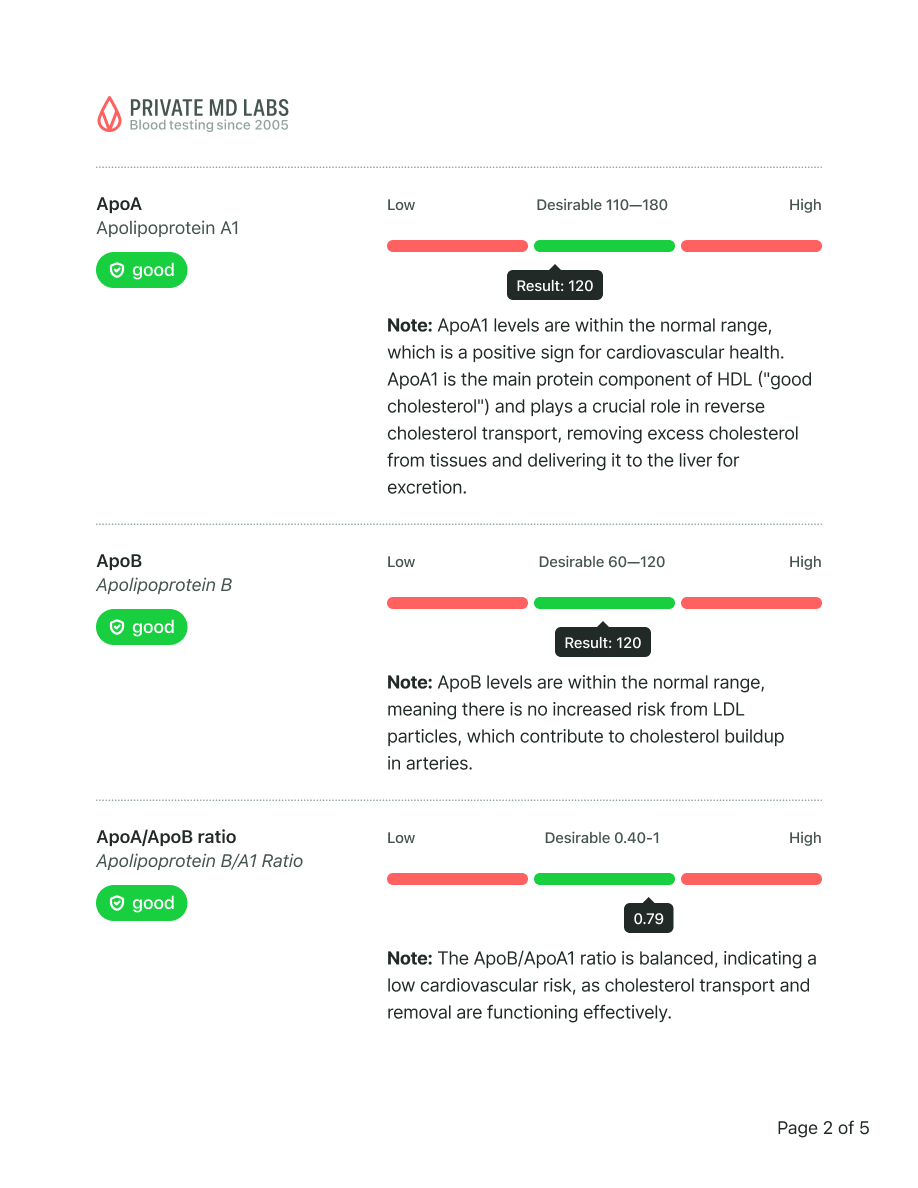
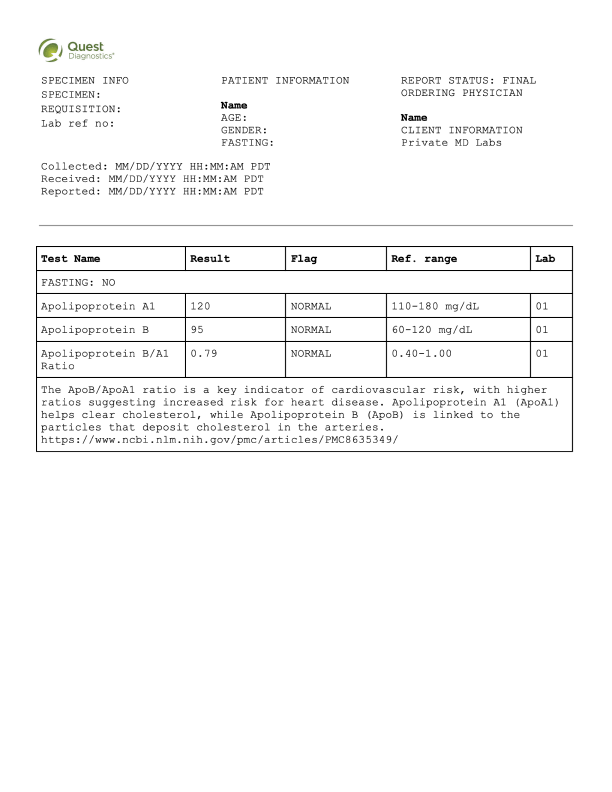
Sample results
Prostatitis is inflammation of the prostate gland causing urinary symptoms, pelvic pain, and discomfort. It is caused by bacterial infections such as E. coli, Enterococcus, or parasites like Trichomonas vaginalis, though non-bacterial inflammation can also occur. The Culture, Urine, Routine test is the most important test for diagnosis because it identifies bacterial infections requiring antibiotic treatment.
Prostatitis is caused by bacterial infections, with E. coli being the most common culprit, followed by other bacteria like Enterococcus, Klebsiella, and Proteus species. The parasitic infection Trichomonas vaginalis can also cause prostatitis through sexual transmission. In some cases, prostatitis develops without an identifiable infection, resulting from pelvic floor muscle tension, nerve irritation, or immune system responses, though bacterial causes are the most treatable forms.
The Culture, Urine, Routine test is the most important test for prostatitis because it identifies bacterial infections that require antibiotic treatment. This test detects specific bacteria like E. coli, Enterococcus, and other pathogens causing the inflammation. Additionally, the Prostate-Specific Antigen (PSA) test is essential for monitoring inflammation levels, as PSA becomes elevated when prostate tissue is inflamed or infected. For suspected parasitic causes, the Trichomonas vaginalis RNA test detects this specific organism requiring antiparasitic therapy. Together, these tests determine whether the prostatitis has an infectious cause and guide targeted treatment.
You should get tested if you experience painful or difficult urination, pelvic or lower back pain, frequent nighttime urination, or discomfort during ejaculation. Testing is especially important if you have fever or chills alongside urinary symptoms, as this suggests acute bacterial infection requiring immediate treatment. Men with recurring urinary tract infections or persistent pelvic discomfort lasting more than a few weeks should also get tested to identify the underlying cause and prevent complications.
What this means
Your testosterone levels are slightly below the optimal range. While this is not necessarily cause for concern, it may contribute to occasional fatigue, reduced motivation, or lower muscle mass over time.
Recommended actions
Increase resistance or strength training
Prioritize 7–8 hours of quality sleep per night, try to reduce stress
Include more zinc- and magnesium-rich foods (like shellfish, beef, pumpkin seeds, spinach)
Consider retesting in 3–6 months
Not overhyped or overpriced. Just comprehensive blood testing made simple and for everyone.
Sample results
Your 24/7 Lab Guide
Quick questions: