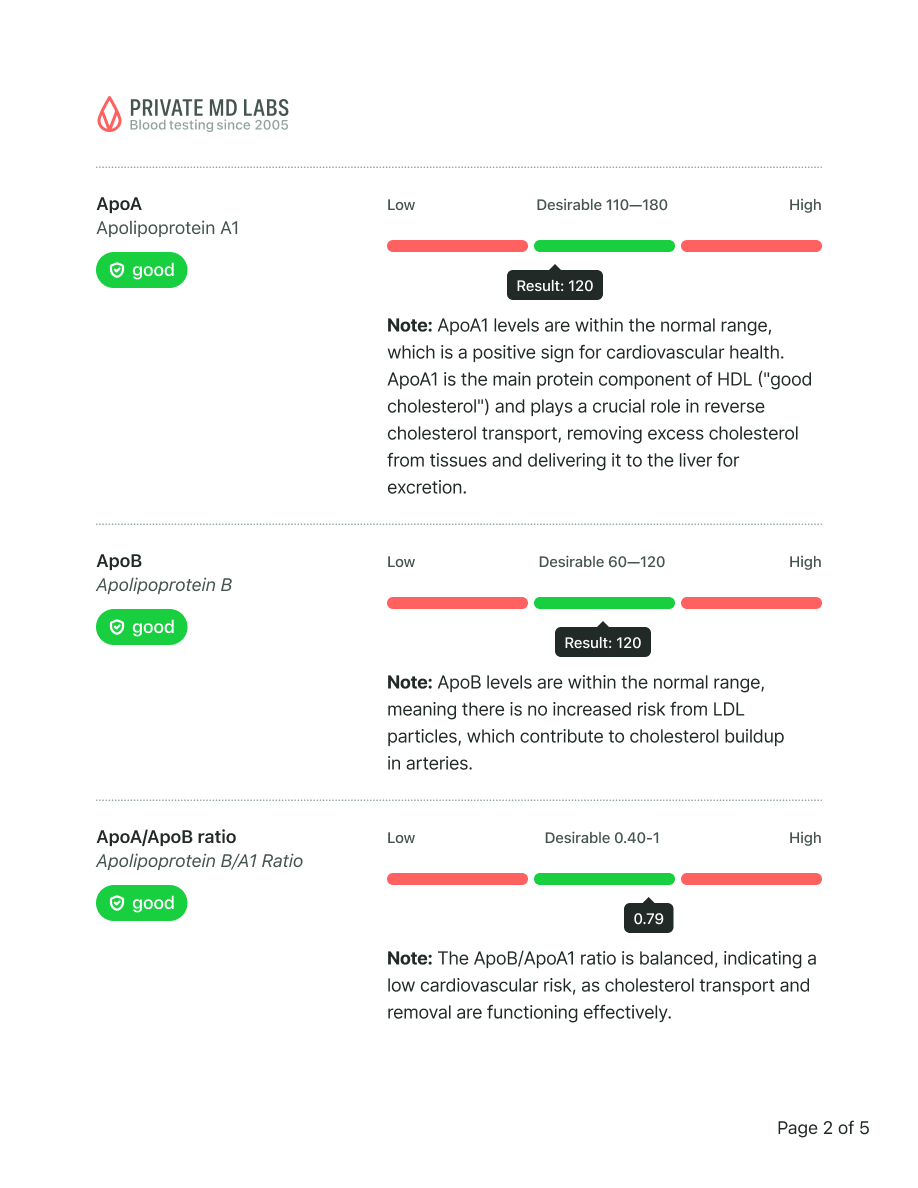
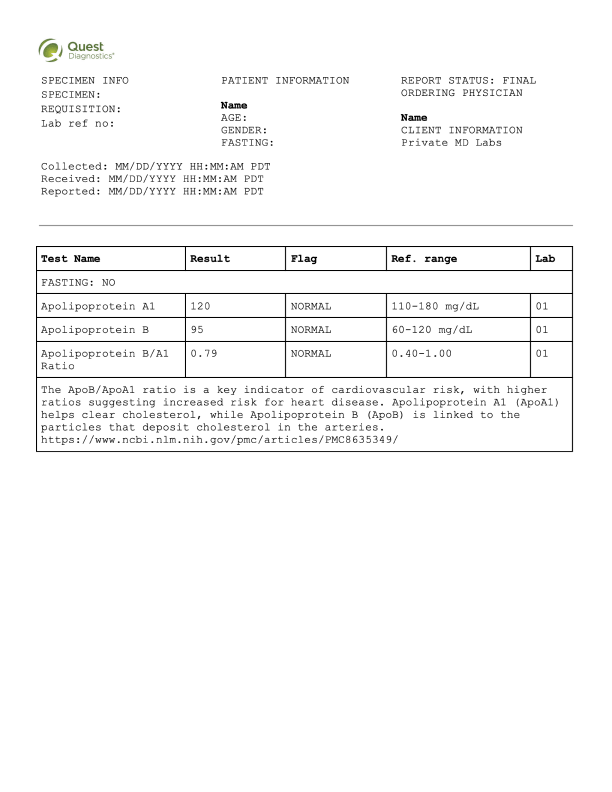
Sample results
Prostate injury is physical trauma to the prostate gland caused by accidents, falls, surgical procedures, or pelvic injuries. It is caused by direct impact to the pelvic region, catheterization, or surgical intervention that disrupts prostate tissue and triggers the release of prostate-specific proteins into the bloodstream. The Prostate-Specific Antigen (PSA) test is the most important test for monitoring prostate injury because it measures protein levels that become elevated following trauma.
Prostate injury is caused by direct physical trauma to the pelvic region from accidents, falls, sports injuries, or blunt force impact. Medical procedures such as catheterization, cystoscopy, prostate biopsy, or pelvic surgery can also cause injury to the prostate gland. During these events, prostate tissue becomes damaged and releases proteins like PSA into the bloodstream, which can be measured through blood testing.
The Prostate-Specific Antigen (PSA) test is the most important blood test for prostate injury because it measures PSA protein levels that become temporarily elevated when prostate tissue is traumatized. This test helps healthcare providers assess how much the prostate has been affected and track your recovery over time. For patients who have had prostate surgery or significant trauma, the Ultrasensitive PSA test is essential because it can detect even very low PSA levels, providing more detailed monitoring of your prostate healing process.
You should get tested if you have experienced a significant pelvic injury from an accident, fall, or sports impact, especially if you notice blood in your urine or have difficulty urinating. Testing is also important after medical procedures involving the prostate or urinary catheter placement. If you develop new pelvic pain, urinary problems, or blood in semen following trauma or surgery, these are signs you should get a PSA blood test to monitor your prostate response and ensure proper healing.
What this means
Your testosterone levels are slightly below the optimal range. While this is not necessarily cause for concern, it may contribute to occasional fatigue, reduced motivation, or lower muscle mass over time.
Recommended actions
Increase resistance or strength training
Prioritize 7–8 hours of quality sleep per night, try to reduce stress
Include more zinc- and magnesium-rich foods (like shellfish, beef, pumpkin seeds, spinach)
Consider retesting in 3–6 months
Not overhyped or overpriced. Just comprehensive blood testing made simple and for everyone.
Sample results
Your 24/7 Lab Guide
Quick questions: