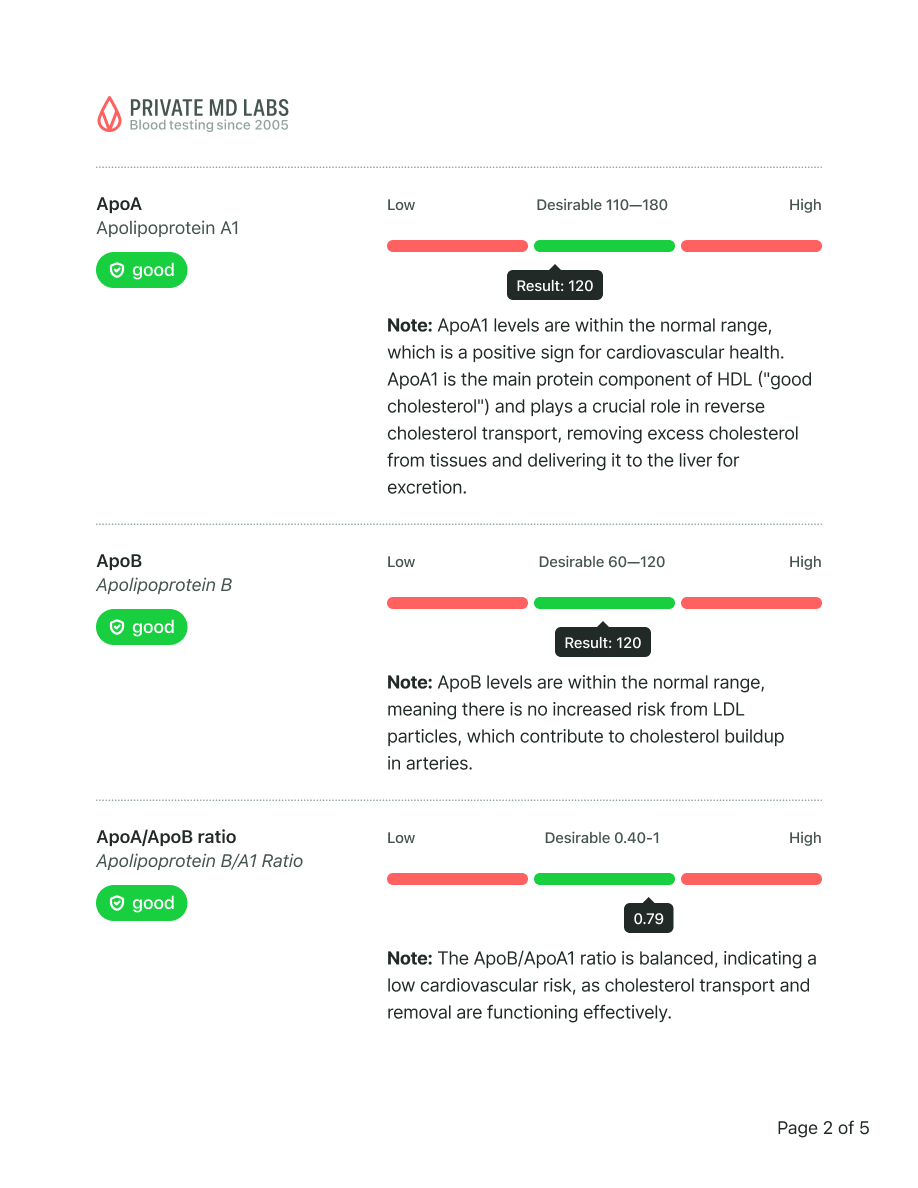
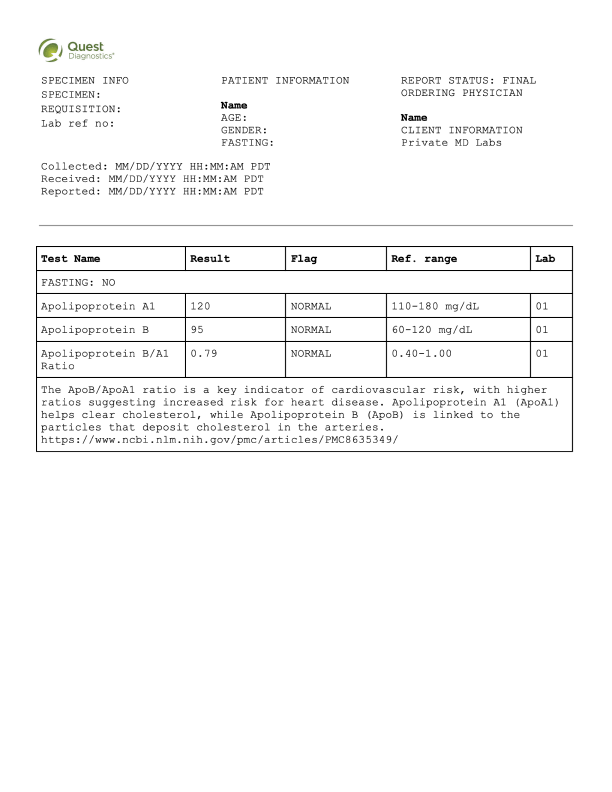
Sample results
Primary Myelofibrosis is a rare bone marrow disorder where normal marrow tissue is replaced by fibrous scar tissue, disrupting blood cell production. It is caused by genetic mutations, most commonly JAK2 V617F, which triggers overactive cell signaling and excessive fibrous tissue formation. The JAK2 V617F Mutation Analysis is the most important test for diagnosis, detecting the mutation in approximately 50-60% of patients.
Primary Myelofibrosis is caused by genetic mutations in bone marrow stem cells, with the JAK2 V617F mutation being the most common culprit found in 50-60% of cases. Other mutations like CALR and MPL can also trigger the condition. These genetic changes cause abnormal cell signaling that leads to excessive production of fibrous scar tissue, which gradually replaces healthy bone marrow and disrupts normal blood cell production.
The JAK2 V617F Mutation Analysis is the most important blood test for Primary Myelofibrosis because it detects the specific genetic mutation responsible for the condition in over half of all patients. This test identifies abnormal DNA changes that cause overactive cell signaling and fibrous tissue buildup in your bone marrow. While a bone marrow biopsy provides definitive diagnosis, genetic testing is essential for confirming the molecular cause and distinguishing Primary Myelofibrosis from other blood disorders. A positive result strongly supports the diagnosis, though some patients may have other mutations like CALR or MPL.
You should get tested if you experience unexplained fatigue, night sweats, fever, weight loss, or an enlarged spleen detected during a physical exam. Testing is also important if routine blood work shows abnormal blood cell counts, including anemia, elevated white blood cells, or abnormal platelet levels. People with a history of other blood disorders or family history of bone marrow conditions should consider genetic testing, especially if symptoms suggest bone marrow dysfunction.
What this means
Your testosterone levels are slightly below the optimal range. While this is not necessarily cause for concern, it may contribute to occasional fatigue, reduced motivation, or lower muscle mass over time.
Recommended actions
Increase resistance or strength training
Prioritize 7–8 hours of quality sleep per night, try to reduce stress
Include more zinc- and magnesium-rich foods (like shellfish, beef, pumpkin seeds, spinach)
Consider retesting in 3–6 months
Not overhyped or overpriced. Just comprehensive blood testing made simple and for everyone.
Sample results
Your 24/7 Lab Guide
Quick questions: