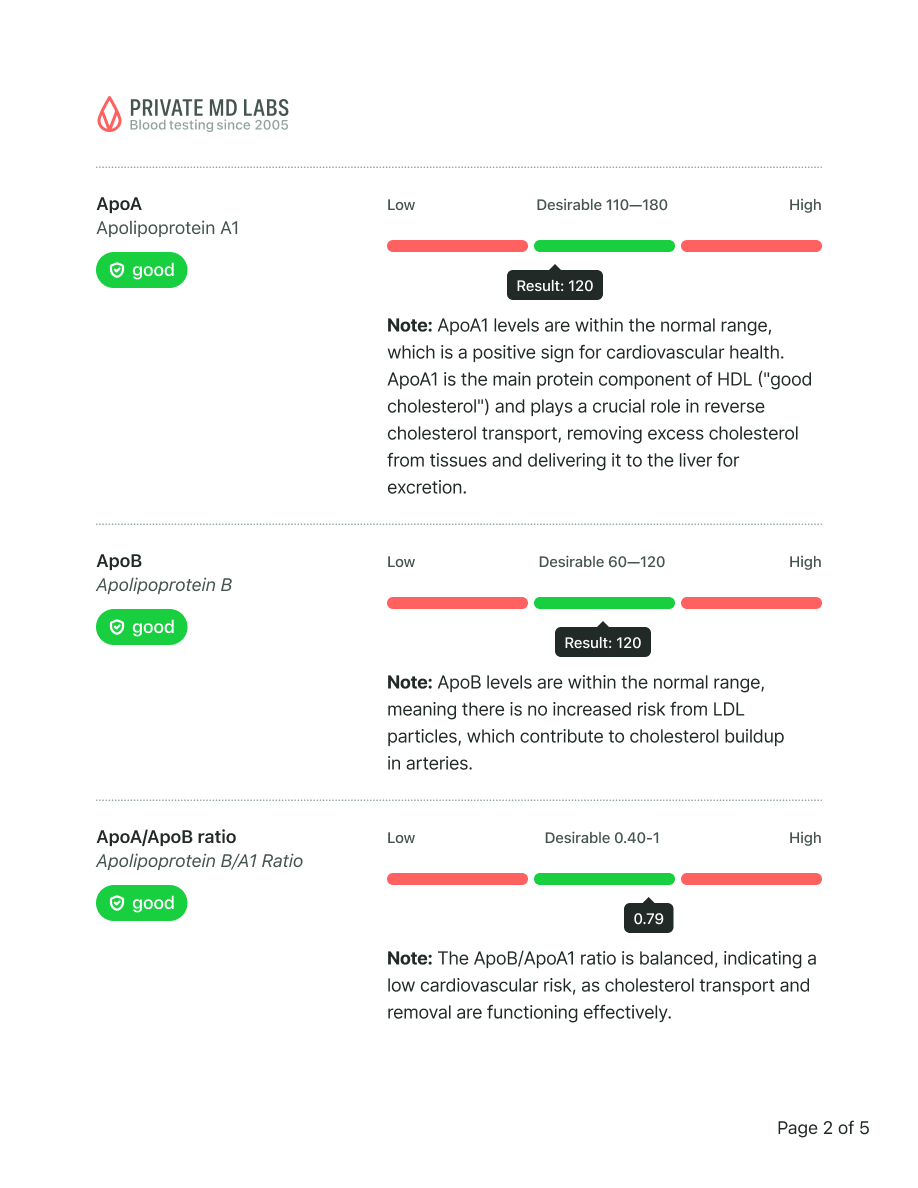
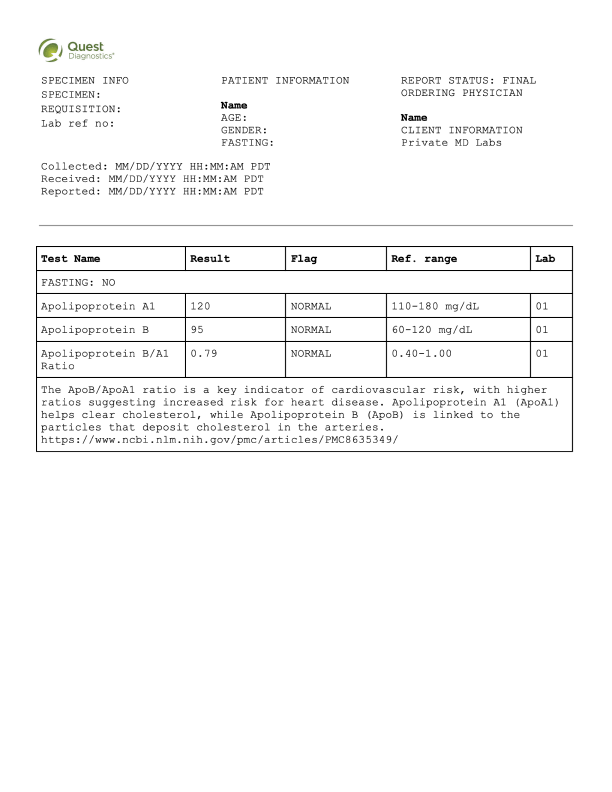
Sample results
Primary hyperparathyroidism is a condition where one or more parathyroid glands produce excessive amounts of parathyroid hormone (PTH). This overproduction is caused by benign tumors (adenomas) or hyperplasia of the parathyroid glands, leading to elevated calcium levels in the blood. The Parathyroid Hormone (PTH), Intact test is the most important test for diagnosis because it directly measures PTH levels that confirm overactive gland function.
Primary hyperparathyroidism is caused by benign tumors called adenomas that develop on one or more of the four parathyroid glands in your neck. These small growths cause the affected glands to produce too much parathyroid hormone (PTH), which controls calcium levels in your blood. Less commonly, the condition can be caused by hyperplasia, where all four parathyroid glands become enlarged and overactive, or rarely by parathyroid cancer.
The Parathyroid Hormone (PTH), Intact test is the most important test for primary hyperparathyroidism because it directly measures how much PTH your parathyroid glands are producing. Elevated PTH levels combined with high blood calcium confirm the diagnosis. The Vitamin D test is also essential because it helps doctors understand how the excess PTH is affecting your calcium metabolism and bone health. These two tests together provide a complete picture of parathyroid gland function and help distinguish primary hyperparathyroidism from other conditions that affect calcium levels.
You should get tested if you experience frequent kidney stones, unexplained bone pain or fractures, persistent fatigue despite adequate sleep, depression or mood changes, or excessive thirst and urination. Testing is also important if routine blood work shows elevated calcium levels, or if you have a family history of parathyroid problems or endocrine disorders. Early detection through blood testing helps prevent serious complications like severe osteoporosis, kidney damage, and cardiovascular problems.
What this means
Your testosterone levels are slightly below the optimal range. While this is not necessarily cause for concern, it may contribute to occasional fatigue, reduced motivation, or lower muscle mass over time.
Recommended actions
Increase resistance or strength training
Prioritize 7–8 hours of quality sleep per night, try to reduce stress
Include more zinc- and magnesium-rich foods (like shellfish, beef, pumpkin seeds, spinach)
Consider retesting in 3–6 months
Not overhyped or overpriced. Just comprehensive blood testing made simple and for everyone.
Sample results
Your 24/7 Lab Guide
Quick questions: