Precocious Puberty in Boys Blood Test

What is Precocious Puberty in Boys?

Precocious puberty in boys is the onset of puberty before age 9, characterized by early development of secondary sexual characteristics. It is caused by premature activation of the hypothalamic-pituitary-gonadal axis, leading to early release of testosterone and growth hormones. The Insulin-Like Growth Factor I (IGF-I, LC/MS) test is the most important test for diagnosis because it measures hormone levels directly linked to pubertal development.

RECOMMENDED TEST Insulin-Like Growth Factor I (IGF-I, LC/MS)
What's included
Fast & easy, results by email & SMS
No extra fees paid at the lab
No need to visit a doctor
Private & confidential
No insurance needed
Results explained
Why Private MD Labs?
90-day money-back guarantee Lab order in minutes Save a trip to the doctor Low prices since 2005 Labs within 2 miles

What causes precocious puberty in boys?

Precocious puberty in boys is caused by premature activation of the hypothalamic-pituitary-gonadal axis, which triggers early release of luteinizing hormone (LH), follicle-stimulating hormone (FSH), and testosterone. This early hormonal cascade can result from central nervous system abnormalities, brain tumors, genetic mutations, or exposure to external hormones. In many cases, the condition is idiopathic, meaning no specific cause is identified, but the hormonal mechanisms driving early puberty are the same as normal puberty, just occurring years too soon.

What is the best test for precocious puberty in boys?

The Insulin-Like Growth Factor I (IGF-I, LC/MS) test is the most important test for precocious puberty in boys because it measures IGF-I levels that rise during early pubertal activation. Elevated IGF-I levels with positive Z scores compared to age-matched peers indicate premature growth hormone axis activation, which accompanies early puberty. This test is typically combined with testosterone measurements, LH and FSH levels, and bone age X-rays to provide a comprehensive evaluation of pubertal status and help determine whether the condition is central (brain-initiated) or peripheral (hormone-producing tumor or exposure).

When should I get my son tested for precocious puberty?

You should get your son tested if he shows signs of puberty before age 9, including testicular enlargement, pubic or underarm hair growth, rapid height increase, deepening voice, acne, or adult body odor. Testing is especially important if he experiences sudden growth spurts that make him significantly taller than peers, emotional changes typical of adolescence, or if there is a family history of early puberty. Early diagnosis through blood work allows for timely treatment that can prevent premature bone maturation and preserve adult height potential.

What are the symptoms of precocious puberty in boys?
Boys with precocious puberty experience early development of secondary sexual characteristics before age 9, including testicular and penile enlargement, pubic and underarm hair, facial hair, deepening voice, and increased muscle mass. They may have rapid growth spurts that make them taller than peers initially, but premature bone maturation can result in shorter adult height. Other symptoms include acne, adult body odor, increased aggression or mood changes, and in some cases, erections or sexual interest inappropriate for their age.
Who is at risk for precocious puberty?
Boys are at higher risk for precocious puberty if they have brain tumors, central nervous system abnormalities, hypothyroidism, genetic conditions like McCune-Albright syndrome, or exposure to external testosterone or anabolic steroids. Obesity increases risk as excess body fat can stimulate early hormone production. Boys adopted internationally, those with a family history of early puberty, or those who experienced radiation therapy to the brain or spinal cord also face elevated risk. While less common than in girls, precocious puberty in boys is more likely to have an underlying medical cause requiring investigation.
What happens if precocious puberty is left untreated?
Untreated precocious puberty causes premature bone growth plate closure, resulting in shorter adult height despite initial tall stature during childhood. Boys may experience significant psychological and social challenges from looking physically mature while being emotionally and mentally age-appropriate, leading to bullying, inappropriate expectations from adults, and early sexual behavior. The underlying causes, such as brain tumors or hormone-secreting tumors, can progress and cause serious health complications. Early testosterone exposure may also affect fertility potential and increase risk for behavioral problems and early sexual activity.
Can precocious puberty be diagnosed with a blood test?
Yes, precocious puberty is diagnosed primarily through blood tests that measure hormone levels including IGF-I, testosterone, luteinizing hormone (LH), and follicle-stimulating hormone (FSH). The IGF-I test identifies elevated growth hormone activity associated with early pubertal development, while testosterone levels confirm premature activation of sex hormone production. Blood work results are interpreted alongside physical examination findings, growth charts, and bone age X-rays to determine the type and cause of precocious puberty and guide treatment decisions.
How is precocious puberty treated?
Precocious puberty is treated with GnRH agonist medications that suppress the hormonal signals triggering early puberty, effectively pausing pubertal development until an appropriate age. These medications are typically given as monthly or three-month injections and can preserve adult height potential by preventing premature bone maturation. Treatment of underlying causes, such as surgical removal of hormone-secreting tumors or managing hypothyroidism, may also be necessary. Regular monitoring through blood tests and physical examinations ensures treatment effectiveness, and therapy is usually continued until the child reaches an appropriate age for normal puberty.
How can I prevent precocious puberty in boys?
While precocious puberty caused by genetic factors or brain abnormalities cannot be prevented, you can reduce risk by maintaining a healthy weight for your son, as obesity increases early puberty risk. Avoid exposure to external hormones including testosterone creams, anabolic steroids, or supplements containing hormone precursors that could trigger early development. Limit exposure to endocrine-disrupting chemicals in plastics and personal care products when possible. Regular pediatric checkups allow for early detection of growth abnormalities or unusual development patterns, enabling prompt evaluation and intervention if needed.
What can I do at home to support my son with precocious puberty?
Provide emotional support by having age-appropriate conversations about the physical changes your son is experiencing and reassuring him that he is healthy and normal. Maintain open communication with teachers and coaches to ensure he is not treated differently due to his physical maturity. Encourage healthy lifestyle habits including a balanced diet rich in whole foods, regular physical activity, and consistent sleep schedules to support overall health during treatment. Connect with support groups or counseling services to help your son navigate the social and emotional challenges of looking older than his peers while being the same age developmentally.
How’s this work?
Getting your blood test with us is easy, private & backed by the power of science.

Long story short:
  1. In the test options, use the filters or search box to narrow your choices and find the test you want.
  2. If you need a hand navigating through options, text our super friendly support team at 754-799-7833, and we'll provide tailored suggestions to help you find the ideal test.
  3. Once your order is placed, we’ll create your doctor’s lab order remotely, without any need for you to make a trip to a doctor in person or to talk to the doctor. Expect to receive your doctor’s lab order right in your inbox. It will also be in your patient portal if you need to find it later. We’ll also include instructions regarding fasting and other requirements for your test. Your patient portal will be auto-created hassle-free during checkout.
  4. If this is your first time ordering, you'll be prompted to create a password for instant login access to your patient portal. It's a quick way to conveniently access your orders and results whenever you want.
  5. When you’re ready, visit one of our 4,000 locations. Just bring your ID – no printing or faxing of your lab order is needed, as your order and details will already be in the lab system.
  6. Note that most lab locations don’t accept walk-ins, so it’s best to book an appointment in advance. Don’t worry – we’ll provide detailed instructions along the way.
  7. You’ll get your results via email & SMS and dive into understanding your body better. Yup, that easy!
  8. If you have any questions, please text us at 754-799-7833 or email support@privatemdlabs.com and we'll gladly help you.
How do I know which test to get?
In the test options, find the test you want. If you’re not sure which test to get, we can lend a hand in finding the right option.

Just text or call us at 754-799-7833, email us at support@privatemdlabs.com, and we'll gladly help you. We've got your back and reply quickly.
Is it possible to make changes to my lab order if I made a mistake with the name, date of birth, or any other details?
Absolutely! We totally understand that errors can happen. No worries, we're here to help you.

Just reach out to us via text at 754-799-7833 or shoot us an email at support@privatemdlabs.com. Remember to include your order number and let us know the correct information you’d like to update. Our awesome team will jump right in and make sure everything is sorted out and accurate for you.

There are no changes necessary if your address is wrong on the requisition though. We don’t mail anything out.

Our lab requires an address to be listed to generate an order.
Do you accept health insurance?
Only HSA & FSA is accepted.

Our services are strictly self-pay and cannot be submitted to your health insurance provider except for Health Savings Accounts or Flexible Savings Accounts.

This policy applies to all insurance companies, including federal health insurance programs like Medicare.

If you have any questions, please text us at 754-799-7833 or email support@privatemdlabs.com.
Can I cancel my order?
Yes.

We get it – sometimes your needs change.

As long as your samples haven’t been collected yet, we’re happy to help you cancel your order.

If you have any further questions, please text us at 754-799-7833 or email support@privatemdlabs.com.

You can read more about our cancellation policy here.
How can I find a lab location near me?
During the ordering process, you’ll be able to select a specific lab near you, with no strings attached! You can switch it up later easily and visit any of our authorized locations as long as it’s the same lab company you selected your test for (Quest Diagnostics or Labcorp).

Before you proceed with your order, feel free to browse through all our lab locations here. This will give you the peace of mind of knowing that there's a lab nearby your home, office or your favorite gym.

If you have any questions, please text us at 754-799-7833 or email support@privatemdlabs.com and we'll gladly help you.
Here’s how easy it is to get blood work done on your terms
Choose a checkup
Order your test Save a trip to the doctor. Your results will come with clear, friendly explanations. Takes 2 minutes
Book a lab
Book an appointment Visit any of our 4,000 nearby lab locations to have your samples collected. Book or walk-in
Choose a checkup
Get results Receive a clear, easy-to-digest health report by email & SMS within a few business days. Get answers, fast

Here’s why 1,000,000+ customers chose us for affordable hassle-free private blood testing.

You get clinical lab reports & simplified health insights.
Save time & gas, go straight to the lab. Our doctors cover the rest.
Results start landing the next day after your lab visit.*
We don’t sell or share your data. Your time & privacy matter.
US-licensed doctors have your back if things get unclear.
No hidden fees, nice discounts for regular checkups.
Save a trip to the doctor, go directly to the lab
Instant orders, results often overnight*
Results explained in simple language
Reviewed by US licensed doctors
Fast & confidential, we never sell or share your data
No insurance needed, transparent pricing
Demo results
Testosterone 375 ng/dL
Demo results
Normal Optimal 400 - 1000 High
375 ng/dL

What this means

Your testosterone levels are slightly below the optimal range. While this is not necessarily cause for concern, it may contribute to occasional fatigue, reduced motivation, or lower muscle mass over time.

* Regular blood test results (e.g., CBC) typically start arriving the next business day after sample collection. More complex tests, such as hormone panels, may take up to 10–15 business days due to their complexity.

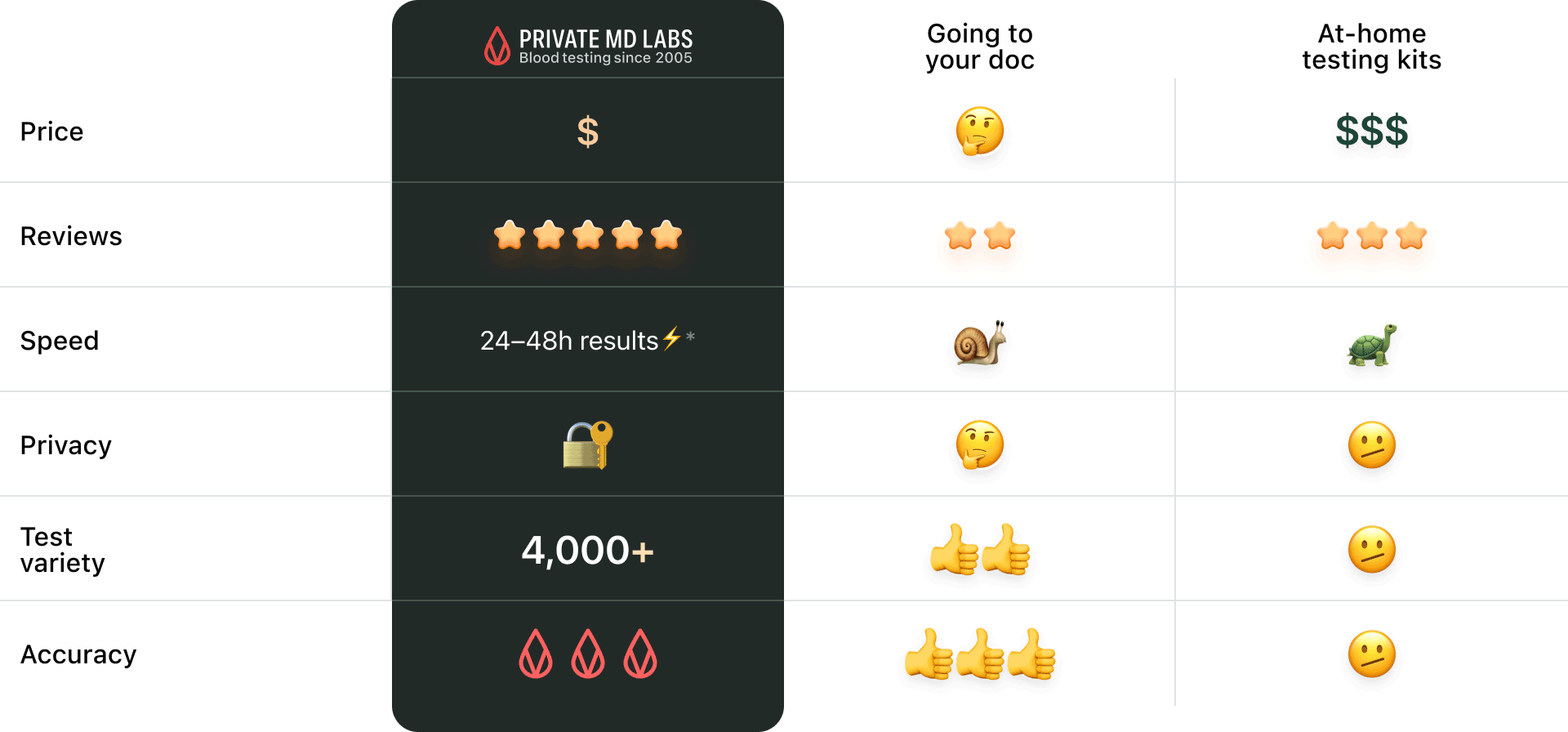
Us vs. Them

Not overhyped or overpriced. Just comprehensive blood testing made simple and for everyone.

* Regular blood test results (e.g., CBC) typically start arriving the next business day after sample collection. More complex tests, such as hormone panels, may take up to 10–15 business days due to their complexity.

1,000,000+ blood tests later, here's what our customers say

Google reviews 505 reviews Next
Insulin-Like Growth Factor I (IGF-I, LC/MS)
What's included
Fast & easy, results by email & SMS
No need to visit a doctor
Private & confidential
No insurance needed
Results explained
No extra fees paid at the lab

Sample results

Sample image
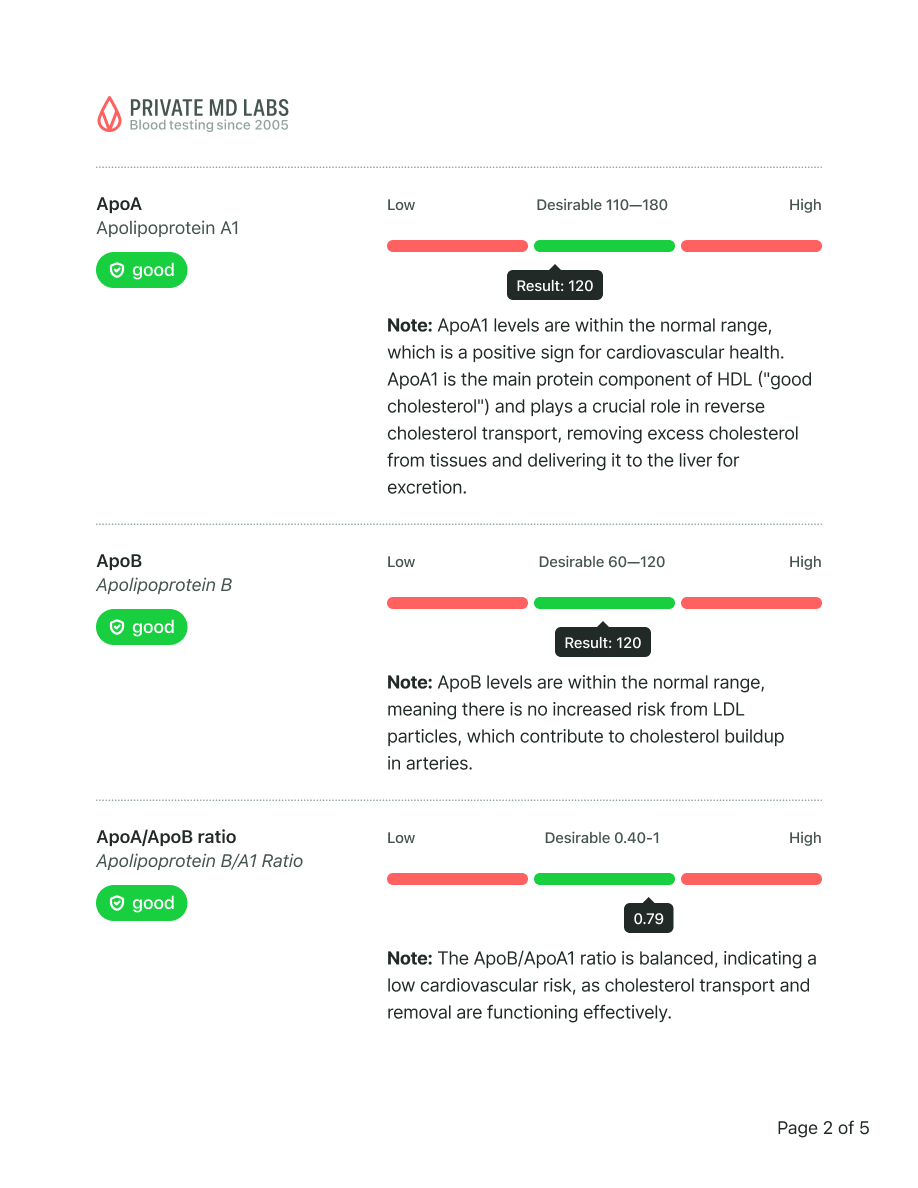
For you & your coach Health insights Written in human language, backed by science.
Sample image
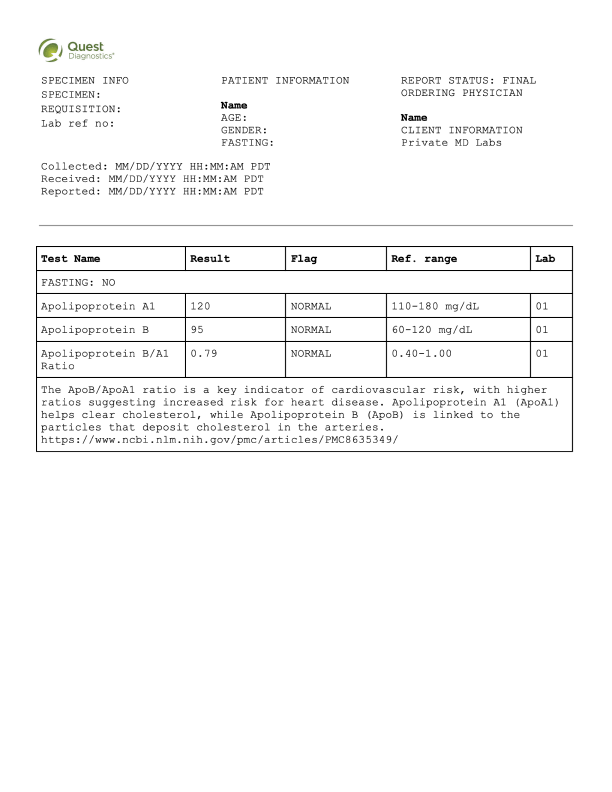
For you & your doc Classic lab report A familiar and comprehensive lab report.

Ask AI

Your 24/7 Lab Guide

Quick questions:

Which test is right for my symptoms?
What could be causing this?
When should I get tested?
A
Hi, I'm AI. I can help you find the right test, explain results, or prepare for your visit. What can I help with?
Just now
A
AI provides insights, not medical diagnoses.