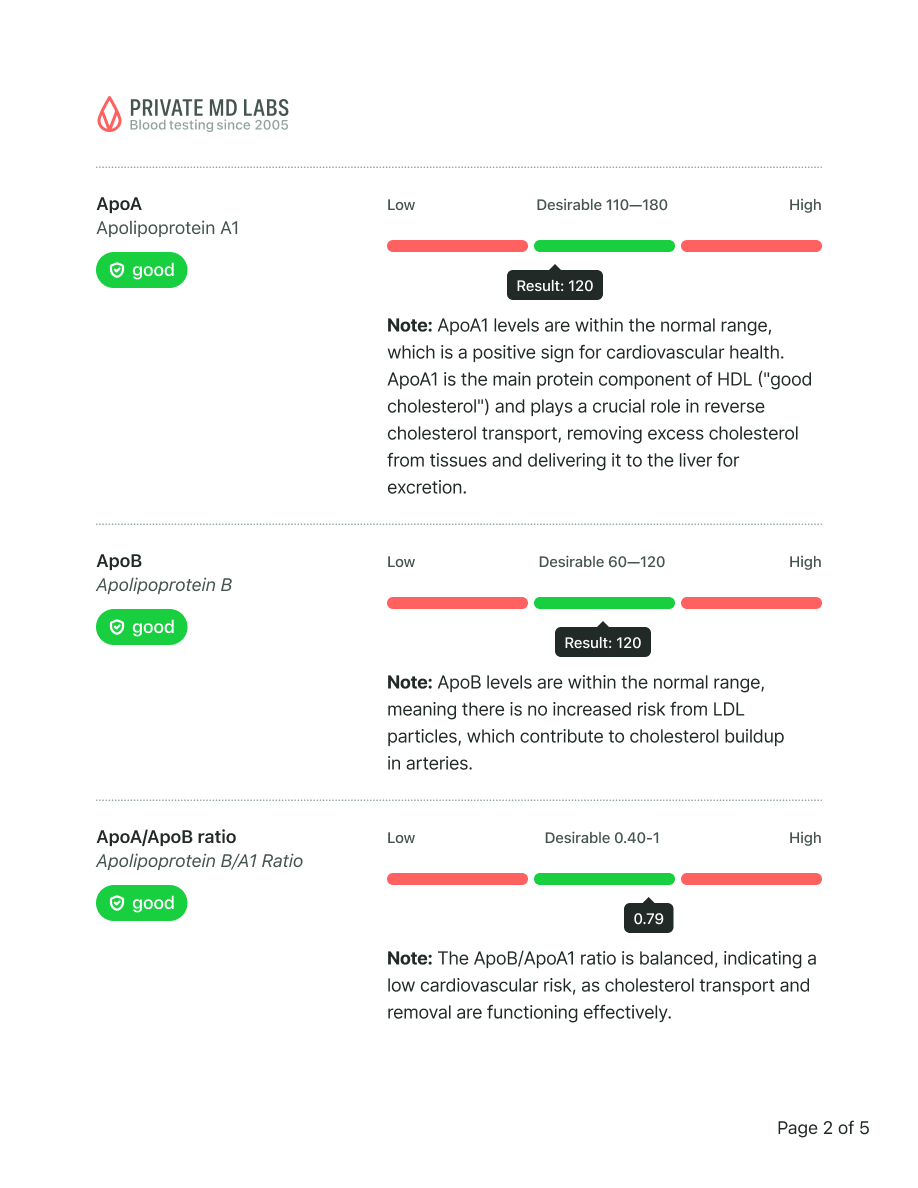
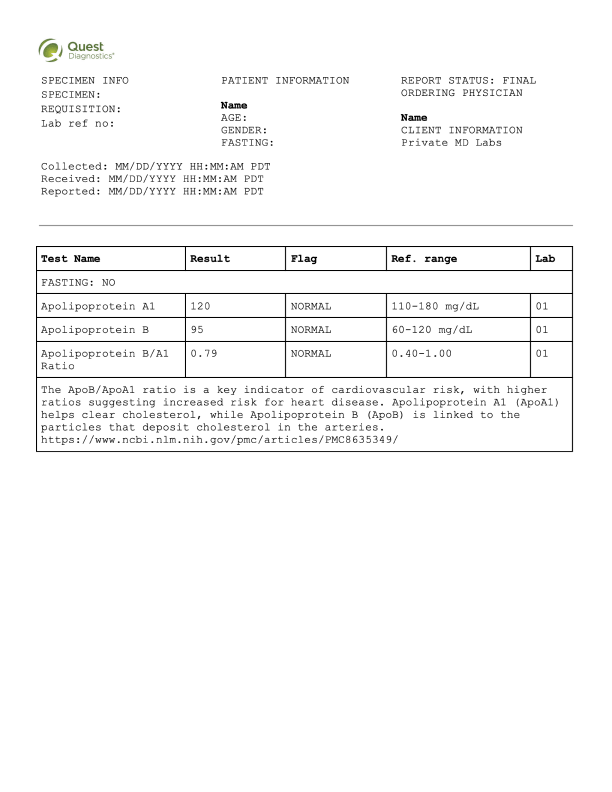
Sample results
Pituitary gland dysfunction occurs when the pituitary gland fails to produce the right amount of hormones or does not regulate other endocrine glands properly. It is caused by pituitary tumors, head injuries, infections, or genetic disorders that damage the pituitary gland's ability to produce hormones like TSH, ACTH, growth hormone, and prolactin. The Thyroid Profile with TSH is the most important test for diagnosis because it measures thyroid-stimulating hormone levels that directly indicate whether the pituitary is functioning properly.
Pituitary gland dysfunction is caused by pituitary tumors (adenomas), traumatic brain injuries, infections like meningitis, stroke, brain surgery complications, or autoimmune conditions that damage the gland. Genetic disorders such as multiple endocrine neoplasia can also affect pituitary function. Additionally, radiation therapy to the head or neck, certain medications, and pregnancy-related conditions like Sheehan syndrome (postpartum pituitary damage) can impair the gland's ability to produce hormones like TSH, ACTH, growth hormone, prolactin, and others that regulate critical body functions.
The Thyroid Profile with TSH is the most important test for pituitary gland dysfunction because it measures thyroid-stimulating hormone levels, which directly indicate whether the pituitary is functioning properly. Abnormal TSH levels—either too high or too low—reveal if the pituitary is overproducing or underproducing this critical hormone that regulates metabolism and energy. Since the pituitary controls many hormones, your doctor may also recommend additional tests to measure cortisol (ACTH stimulation test), growth hormone, prolactin, or sex hormones depending on your symptoms, but the TSH test is essential as a starting point.
You should get tested if you experience unexplained fatigue, weight changes, vision problems, persistent headaches, irregular menstrual periods, or decreased sex drive. Get tested immediately if you notice sudden severe headaches with vision loss, extreme thirst with frequent urination, or symptoms of hormone deficiency like cold intolerance and muscle weakness. People with a history of head trauma, brain surgery, or radiation to the head should also be screened regularly, as these increase the risk of pituitary damage that may not show symptoms until years later.
What this means
Your testosterone levels are slightly below the optimal range. While this is not necessarily cause for concern, it may contribute to occasional fatigue, reduced motivation, or lower muscle mass over time.
Recommended actions
Increase resistance or strength training
Prioritize 7–8 hours of quality sleep per night, try to reduce stress
Include more zinc- and magnesium-rich foods (like shellfish, beef, pumpkin seeds, spinach)
Consider retesting in 3–6 months
Not overhyped or overpriced. Just comprehensive blood testing made simple and for everyone.
Sample results
Your 24/7 Lab Guide
Quick questions: