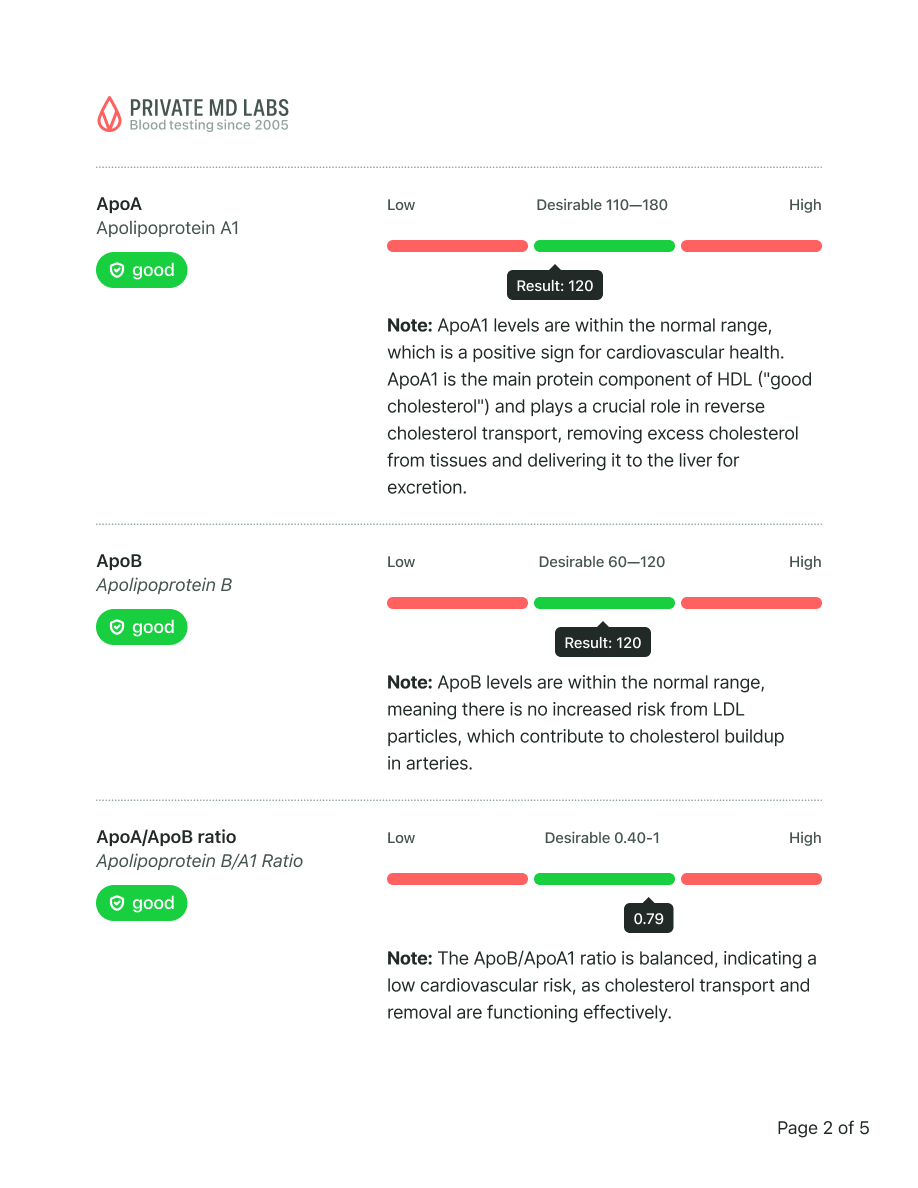
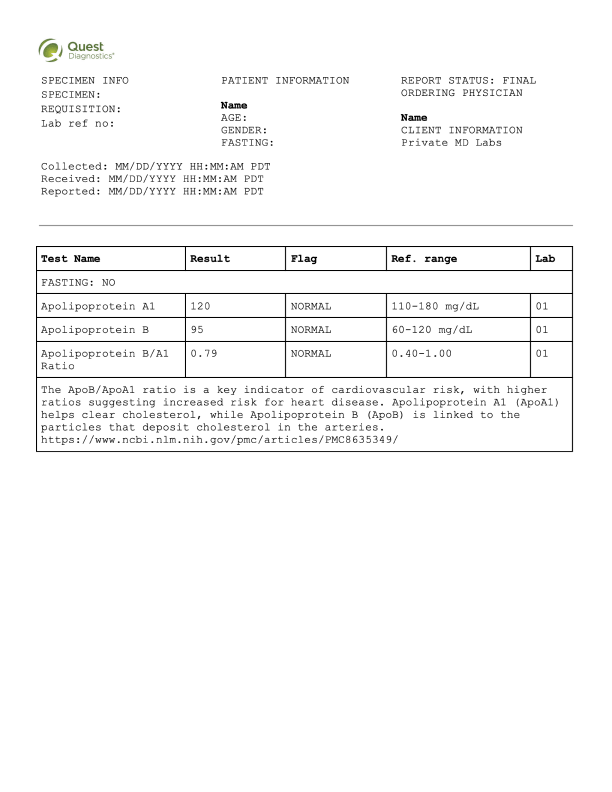
Sample results
Pet allergy is an immune system reaction to proteins found in animal dander, saliva, and urine. It is caused by specific IgE antibodies produced in response to allergens from cats, dogs, and other animals. The Respiratory Allergy Panel is the most important test for diagnosis because it identifies specific pet allergens triggering your symptoms.
Pet allergy is caused by proteins found in animal dander (dead skin flakes), saliva, and urine. When you're exposed to cats or dogs, your immune system mistakenly identifies these harmless proteins as dangerous invaders and produces IgE antibodies to fight them. This immune response triggers the release of histamine and other chemicals that cause allergic symptoms like sneezing, itchy eyes, and skin rashes.
The Respiratory Allergy Panel is the most important test for pet allergy because it detects specific IgE antibodies to cat and dog dander proteins in your blood. This test definitively confirms whether your symptoms are caused by pet allergens and can distinguish between cat and dog allergies. The Respiratory Allergy Panel Region III tests for dog dander along with environmental allergens in the southeastern U.S., while the Respiratory Allergy Profile Region XIV tests for both cat and dog dander in California's central valley. These comprehensive panels help identify exactly which animals trigger your allergic reactions.
You should get tested if you experience sneezing, runny nose, itchy or watery eyes, or skin rashes when around cats or dogs. Testing is especially important if you're considering getting a pet, experiencing asthma symptoms that worsen around animals, or have chronic respiratory issues without a clear cause. Early testing helps you avoid prolonged exposure to allergens and allows you to make informed decisions about pet ownership and your living environment.
What this means
Your testosterone levels are slightly below the optimal range. While this is not necessarily cause for concern, it may contribute to occasional fatigue, reduced motivation, or lower muscle mass over time.
Recommended actions
Increase resistance or strength training
Prioritize 7–8 hours of quality sleep per night, try to reduce stress
Include more zinc- and magnesium-rich foods (like shellfish, beef, pumpkin seeds, spinach)
Consider retesting in 3–6 months
Not overhyped or overpriced. Just comprehensive blood testing made simple and for everyone.
Sample results
Your 24/7 Lab Guide
Quick questions: