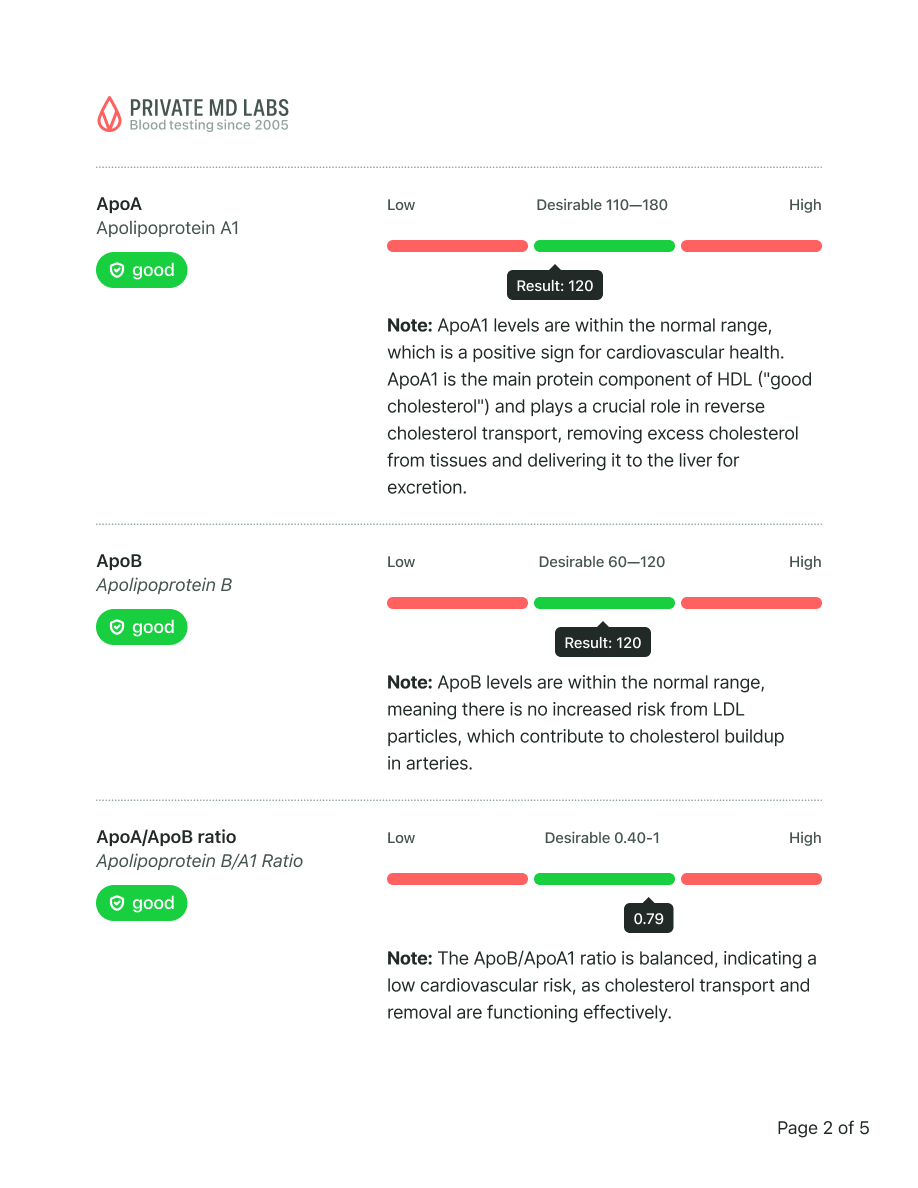
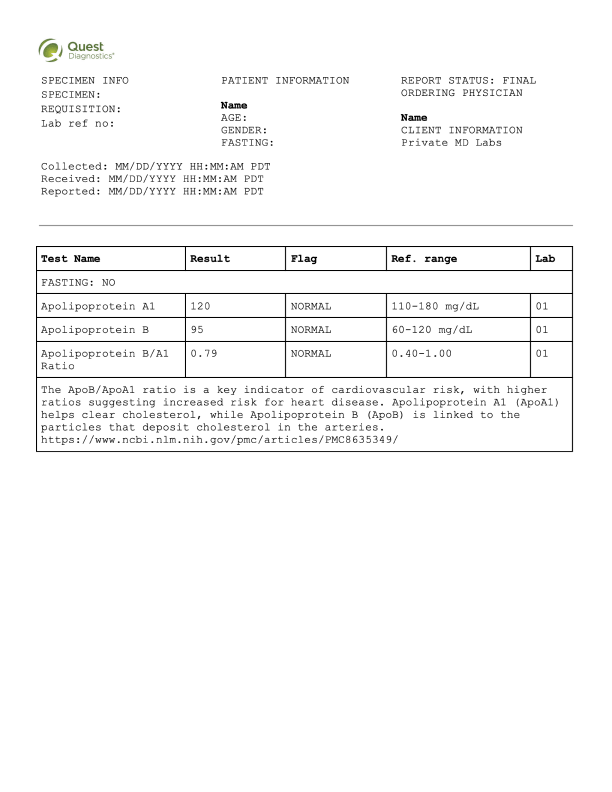
Sample results
Pemphigoid gestationis is a rare autoimmune blistering skin disease that occurs during pregnancy or shortly after delivery. It is caused by autoimmune antibodies, particularly BP180 and BP230, that attack proteins in the skin and cause painful blisters. The Bullous Pemphigoid BP230 Antibody test is the most important blood test for detecting the autoimmune process underlying this pregnancy-associated condition.
Pemphigoid gestationis is caused by autoimmune antibodies that mistakenly attack proteins in your skin, particularly BP180 and BP230, which help hold the layers of skin together. During pregnancy, hormonal and immunological changes trigger your immune system to produce these antibodies, leading to the separation of skin layers and the formation of itchy blisters. The condition typically appears in the second or third trimester of pregnancy, though it can develop at any time during pregnancy or shortly after delivery.
The Bullous Pemphigoid BP230 Antibody test is the most important blood test for pemphigoid gestationis because it detects autoimmune antibodies that attack skin proteins and cause blistering. While skin biopsy with direct immunofluorescence remains the gold standard for diagnosis, blood tests provide valuable supporting evidence by identifying BP230 antibodies circulating in your bloodstream. These antibody tests help confirm the autoimmune nature of the condition and can be particularly useful when combined with clinical examination and skin biopsy findings to establish a definitive diagnosis during pregnancy.
You should get tested if you develop intensely itchy blisters or hives during pregnancy, especially around your belly button, abdomen, arms, or legs. Testing is particularly important if the itching is severe enough to disrupt your sleep or daily activities, if you notice fluid-filled blisters appearing on your skin, or if you have a history of pemphigoid gestationis in a previous pregnancy. Early testing and diagnosis are essential because the condition can affect both your health and your baby's wellbeing, and prompt treatment can help manage symptoms and reduce complications.
What this means
Your testosterone levels are slightly below the optimal range. While this is not necessarily cause for concern, it may contribute to occasional fatigue, reduced motivation, or lower muscle mass over time.
Recommended actions
Increase resistance or strength training
Prioritize 7–8 hours of quality sleep per night, try to reduce stress
Include more zinc- and magnesium-rich foods (like shellfish, beef, pumpkin seeds, spinach)
Consider retesting in 3–6 months
Not overhyped or overpriced. Just comprehensive blood testing made simple and for everyone.
Sample results
Your 24/7 Lab Guide
Quick questions: