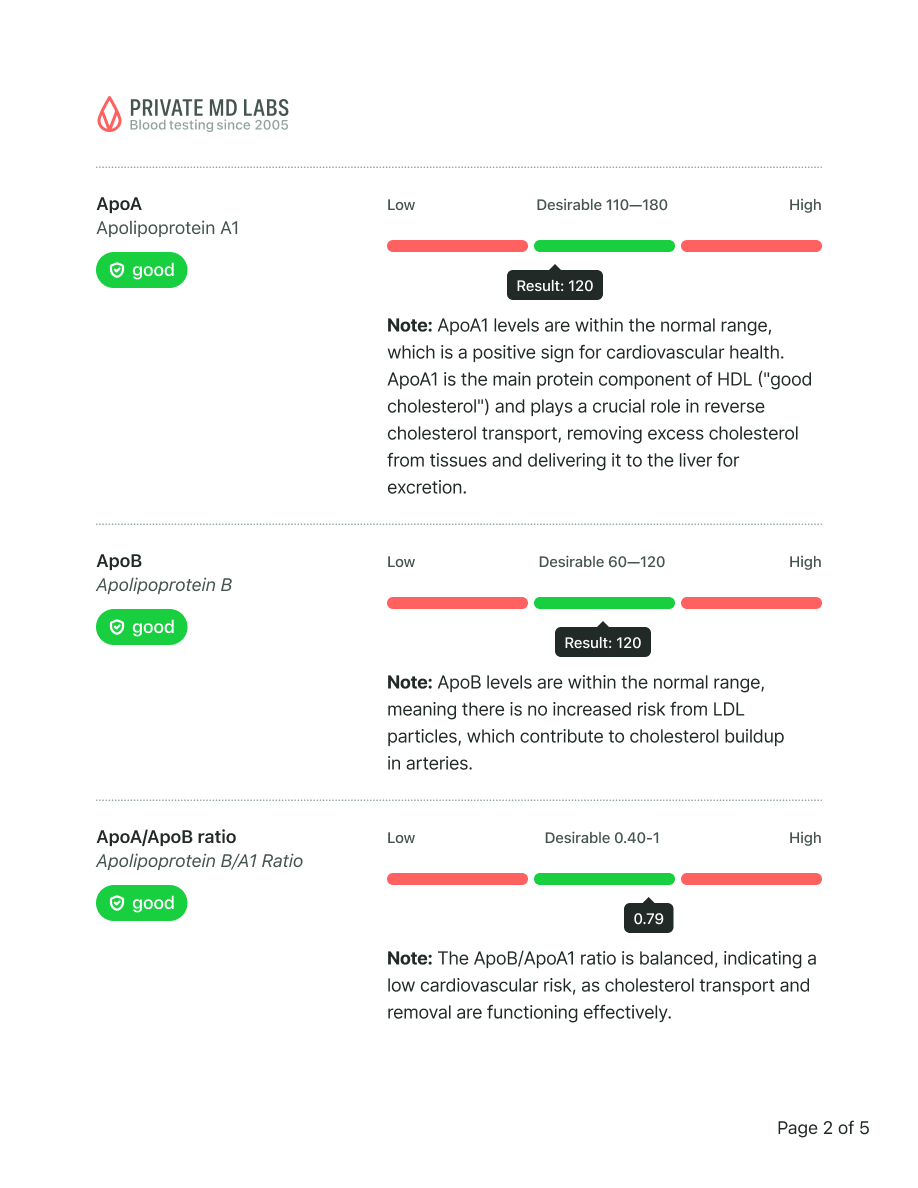
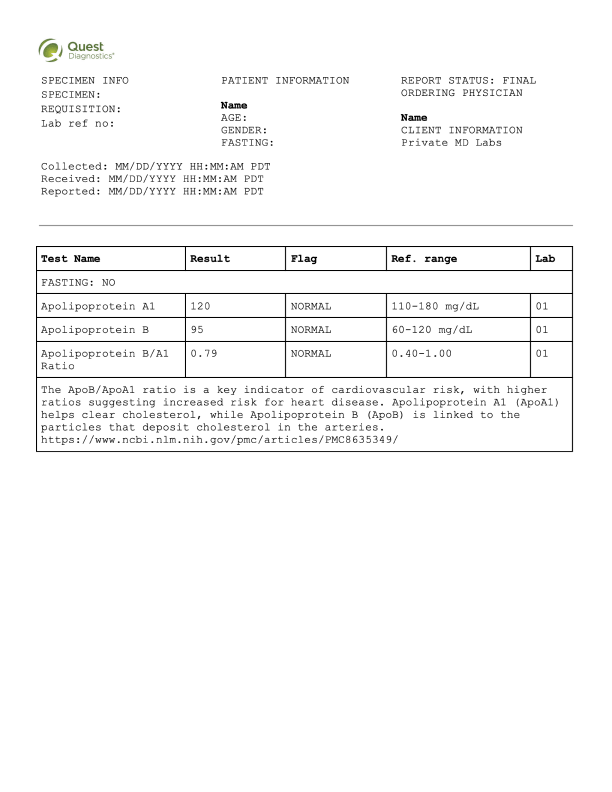
Sample results
Pelvic Inflammatory Disease (PID) is an infection of the female reproductive organs, including the uterus, fallopian tubes, and ovaries. It is most commonly caused by the sexually transmitted bacteria Chlamydia trachomatis and Neisseria gonorrhoeae. The Chlamydia and Gonorrhea Test is the most important test for diagnosing PID because it identifies the primary bacterial causes.
Pelvic Inflammatory Disease is caused by sexually transmitted bacteria, primarily Chlamydia trachomatis and Neisseria gonorrhoeae. These bacteria initially infect the cervix and vagina, then ascend into the upper reproductive organs including the uterus, fallopian tubes, and ovaries. While chlamydia and gonorrhea are the most common culprits, other bacteria from the vaginal flora can sometimes contribute to PID, especially when multiple organisms are present or when the normal protective barriers of the reproductive system are compromised.
The Chlamydia and Gonorrhea Test is the most important test for Pelvic Inflammatory Disease because it detects Chlamydia trachomatis and Neisseria gonorrhoeae, the two primary bacterial causes of PID. This test identifies the specific pathogens responsible for the infection, allowing healthcare providers to prescribe targeted antibiotic therapy. The CA-125 test can serve as a supplementary marker to assess the extent of inflammatory activity in the pelvic region and monitor treatment response, though it is less specific for PID diagnosis. Early identification of these bacteria through testing is essential for preventing long-term complications like infertility and chronic pelvic pain.
You should get tested if you experience pelvic or lower abdominal pain, unusual vaginal discharge with an abnormal color or odor, painful urination, irregular menstrual bleeding, or pain during sex. Testing is especially important if you have had unprotected sex with a new partner or multiple partners, or if a sexual partner has been diagnosed with a sexually transmitted infection. Women under 25 who are sexually active should consider regular screening for chlamydia and gonorrhea even without symptoms, as these infections often have no obvious signs but can still progress to PID.
What this means
Your testosterone levels are slightly below the optimal range. While this is not necessarily cause for concern, it may contribute to occasional fatigue, reduced motivation, or lower muscle mass over time.
Recommended actions
Increase resistance or strength training
Prioritize 7–8 hours of quality sleep per night, try to reduce stress
Include more zinc- and magnesium-rich foods (like shellfish, beef, pumpkin seeds, spinach)
Consider retesting in 3–6 months
Not overhyped or overpriced. Just comprehensive blood testing made simple and for everyone.
Sample results
Your 24/7 Lab Guide
Quick questions: