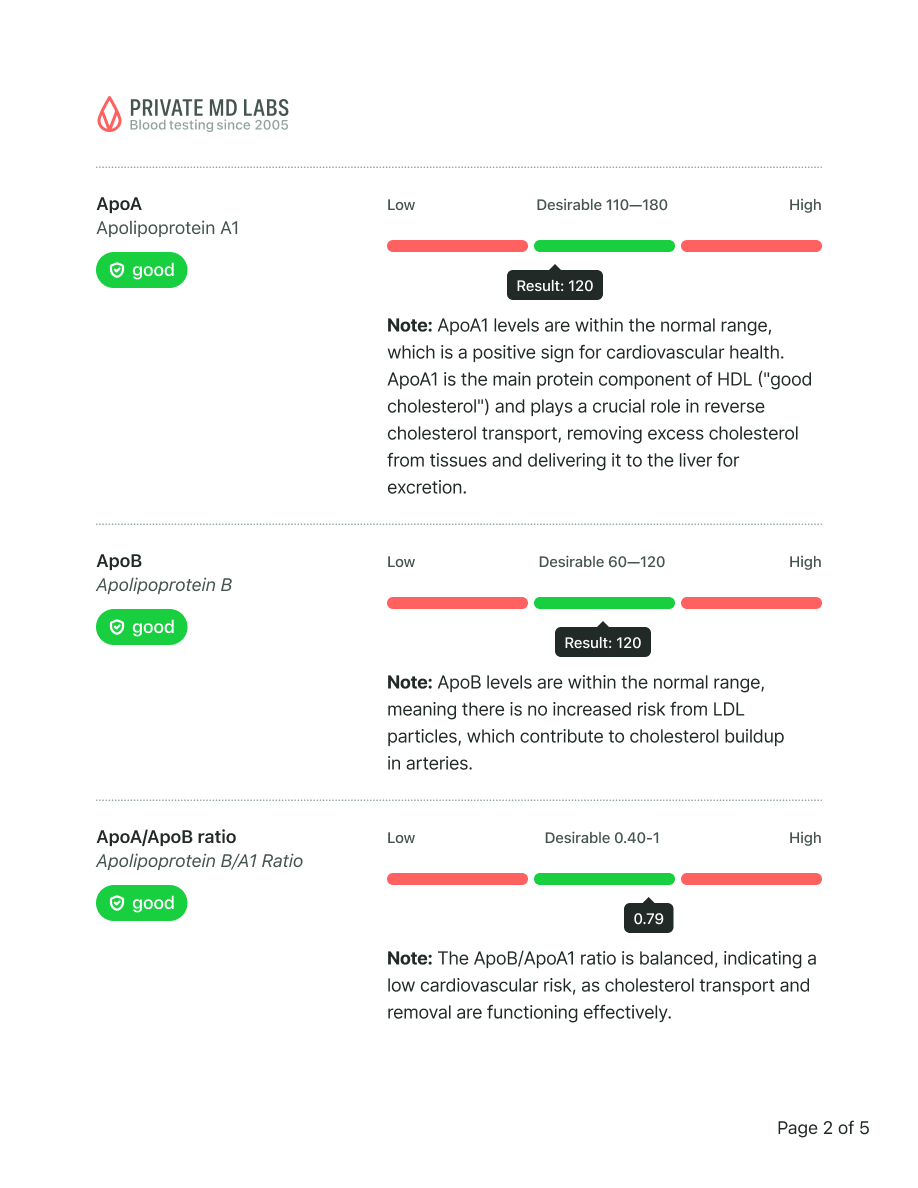
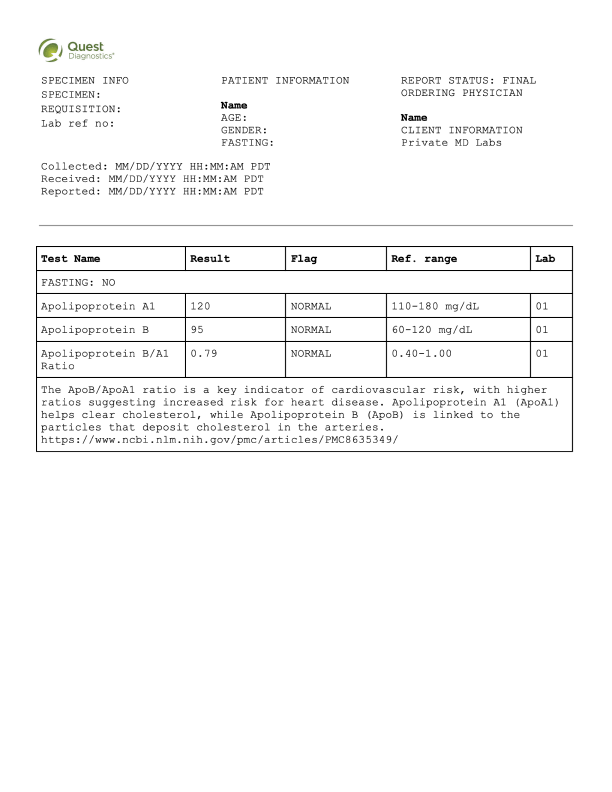
Sample results
Ovarian cysts are fluid-filled sacs that develop on or within the ovaries. They form when hormonal imbalances disrupt the normal ovarian cycle, particularly when low progesterone levels prevent proper follicle development. The Progesterone test is the most important test for assessing hormonal factors that contribute to ovarian cyst formation.
Ovarian cysts are caused by hormonal imbalances that disrupt the normal menstrual cycle. Low progesterone levels prevent the proper development and release of eggs from follicles, causing these fluid-filled sacs to persist on the ovaries. Other factors include conditions like polycystic ovary syndrome (PCOS), endometriosis, and pregnancy, which can all affect hormone production and lead to cyst formation.
The Progesterone test is the most important blood test for ovarian cysts because it measures the hormone levels that regulate your menstrual cycle and ovulation. Low progesterone is a key factor in cyst formation, as it prevents follicles from properly maturing and releasing eggs. While ultrasound imaging diagnoses the cysts themselves, the Progesterone test identifies the underlying hormonal imbalance that contributes to their development. Testing progesterone helps your doctor understand whether hormonal factors are playing a role and guides treatment strategies to prevent future cysts from forming.
You should get tested if you experience pelvic pain or pressure, irregular or painful periods, bloating or abdominal swelling, or pain during intercourse. Testing is also important if you have difficulty getting pregnant, as hormonal imbalances that cause cysts can affect fertility. Women with PCOS or a history of ovarian cysts should monitor their progesterone levels regularly to prevent recurrence.
What this means
Your testosterone levels are slightly below the optimal range. While this is not necessarily cause for concern, it may contribute to occasional fatigue, reduced motivation, or lower muscle mass over time.
Recommended actions
Increase resistance or strength training
Prioritize 7–8 hours of quality sleep per night, try to reduce stress
Include more zinc- and magnesium-rich foods (like shellfish, beef, pumpkin seeds, spinach)
Consider retesting in 3–6 months
Not overhyped or overpriced. Just comprehensive blood testing made simple and for everyone.
Sample results
Your 24/7 Lab Guide
Quick questions: