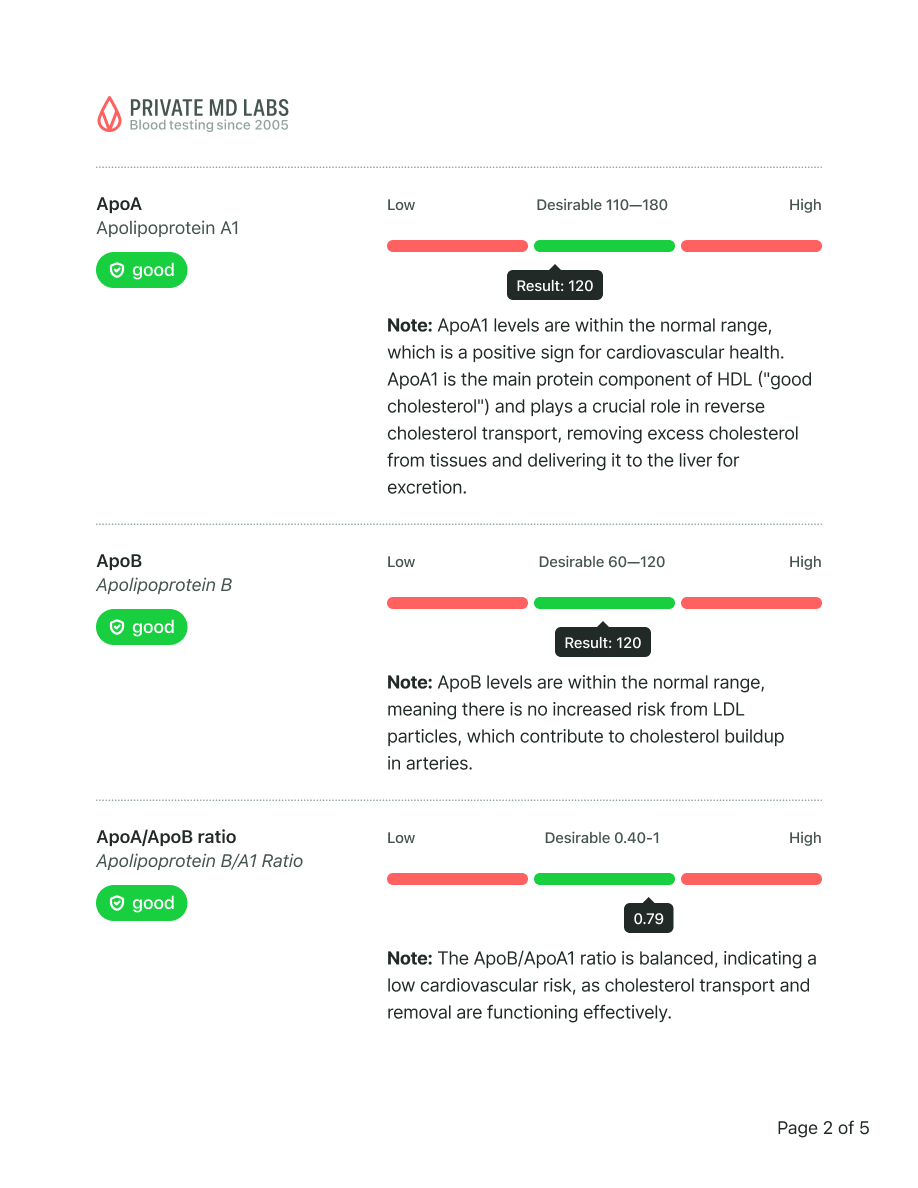
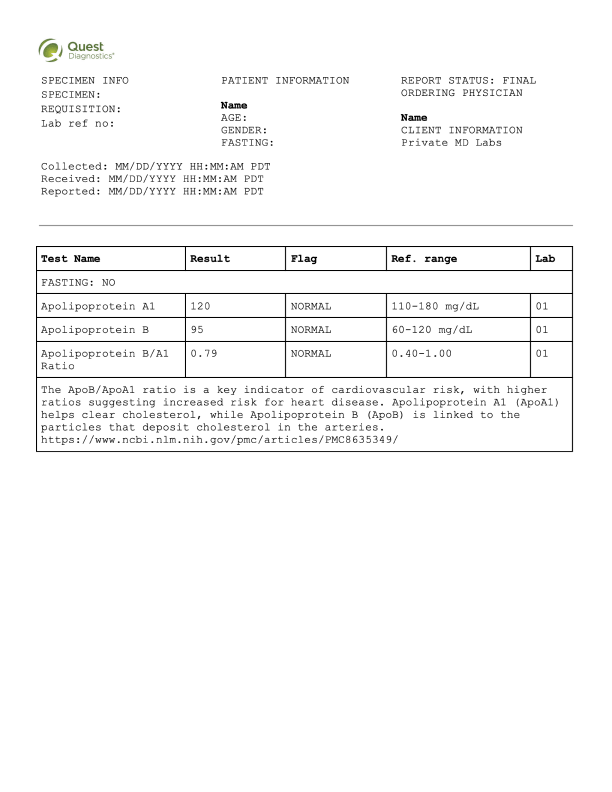
Sample results
Orchitis is inflammation of one or both testicles that causes pain and swelling. It is primarily caused by the mumps virus, though bacterial infections from sexually transmitted organisms like Chlamydia trachomatis and Escherichia coli can also trigger it. The Measles, Mumps, Rubella (MMR) Immunity Profile is the most important test for diagnosing mumps-related orchitis.
Orchitis is caused primarily by the mumps virus, which accounts for the majority of viral orchitis cases in unvaccinated or inadequately vaccinated males. Bacterial causes include sexually transmitted infections like Chlamydia trachomatis and Neisseria gonorrhoeae, as well as urinary tract bacteria such as Escherichia coli that travel through the bloodstream or urinary system to the testicles. In some cases, orchitis develops as a complication of epididymitis, where infection spreads from the epididymis to the testicle itself.
The Measles, Mumps, Rubella (MMR) Immunity Profile is the most important test for orchitis because it detects antibodies against the mumps virus, the leading viral cause of testicular inflammation in adult males. This comprehensive panel measures IgG antibodies that indicate whether you have immunity from past infection or vaccination, and can reveal if elevated mumps antibodies suggest a recent infection triggering your symptoms. For additional confirmation, the Mumps Virus Antibody (IgG) test provides focused detection of mumps-specific antibodies to help determine if mumps is the underlying cause of your orchitis.
You should get tested if you experience sudden testicular pain and swelling, especially if accompanied by fever, nausea, or recent exposure to someone with mumps. Testing is particularly important for adult males who develop testicular symptoms within two weeks of mumps-like symptoms such as swollen salivary glands, fever, or muscle aches. If you have not received the MMR vaccine or are unsure of your vaccination status and develop testicular inflammation, immediate testing can identify whether mumps is the cause and guide treatment to prevent complications like infertility or testicular atrophy.

What this means
Your testosterone levels are slightly below the optimal range. While this is not necessarily cause for concern, it may contribute to occasional fatigue, reduced motivation, or lower muscle mass over time.
Recommended actions
Increase resistance or strength training
Prioritize 7–8 hours of quality sleep per night, try to reduce stress
Include more zinc- and magnesium-rich foods (like shellfish, beef, pumpkin seeds, spinach)
Consider retesting in 3–6 months
Not overhyped or overpriced. Just comprehensive blood testing made simple and for everyone.
Sample results
Your 24/7 Lab Guide
Quick questions: