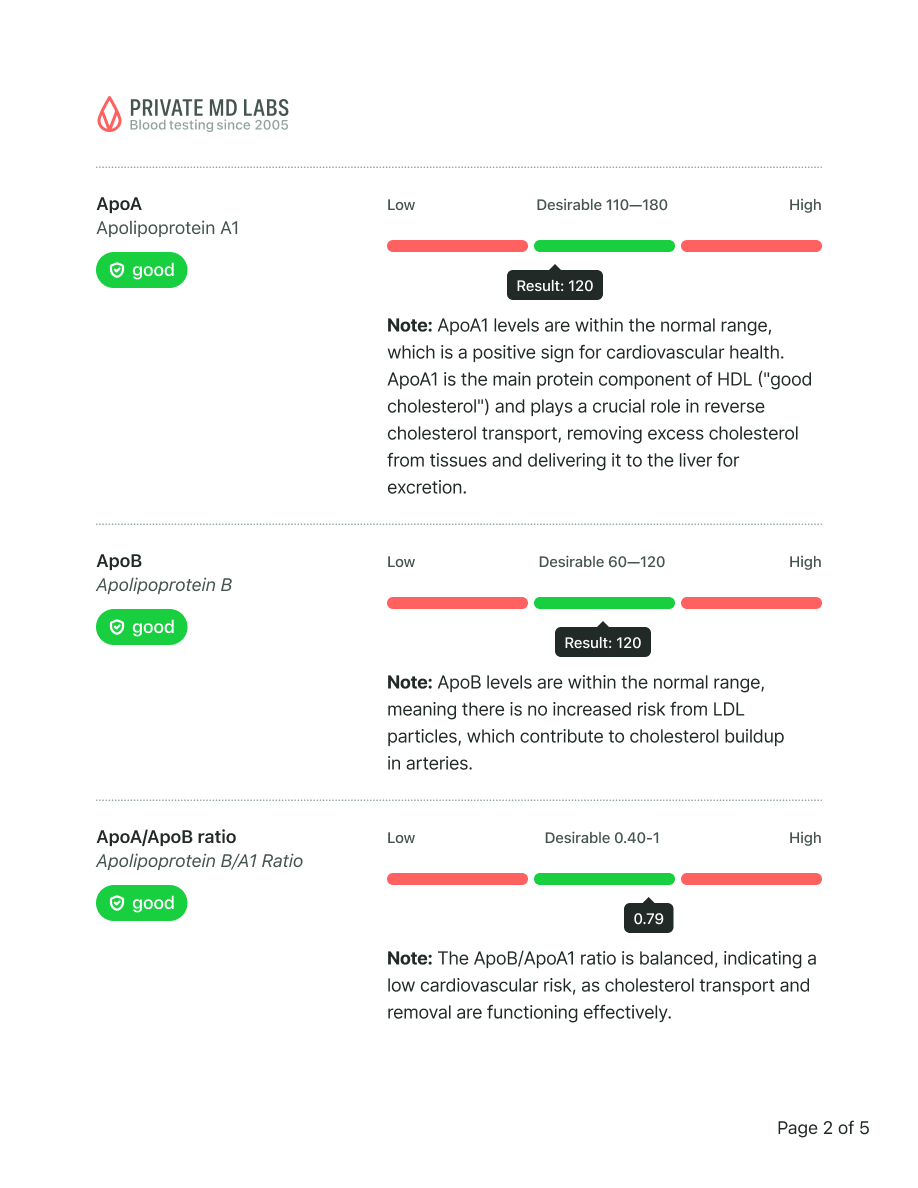
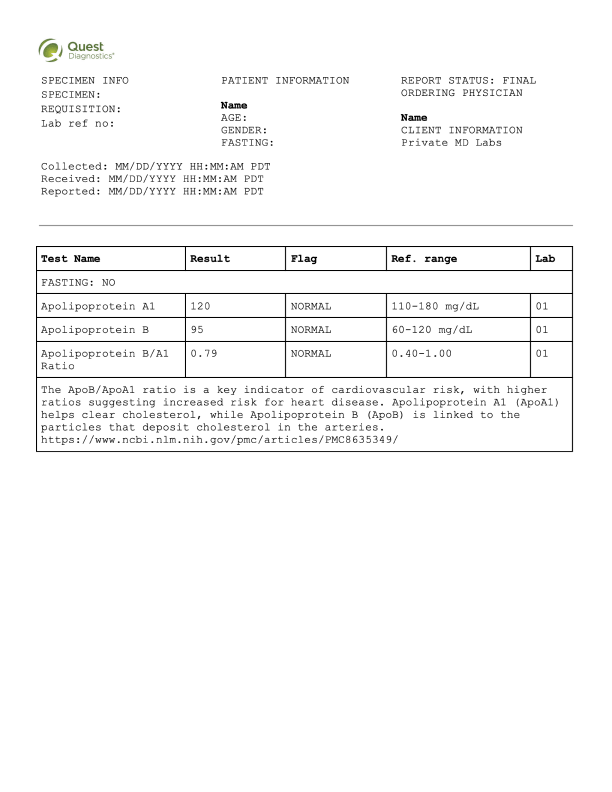
Sample results
Nettle allergy is an environmental allergic reaction triggered by exposure to stinging nettle pollen. It is caused by an overactive immune response where the body produces IgE antibodies against nettle pollen proteins. The Respiratory Allergy Profile Region IX is the most important test for diagnosis as it measures specific IgE antibodies to nettle pollen and other regional allergens.
Nettle allergy is caused by an overactive immune response to proteins found in stinging nettle pollen. When you breathe in nettle pollen, your immune system mistakenly identifies these harmless proteins as dangerous invaders and produces IgE antibodies to fight them. This triggers the release of histamine and other chemicals that cause allergic symptoms like sneezing, runny nose, itchy eyes, and respiratory discomfort.
The Respiratory Allergy Profile Region IX is the most important test for nettle allergy because it specifically measures IgE antibodies to nettle pollen along with other common regional allergens. This blood test provides definitive diagnosis by detecting elevated levels of nettle-specific IgE antibodies in your blood, confirming your sensitivity. Unlike symptom-based assessments, this test gives you concrete evidence of nettle allergy and helps distinguish it from other environmental sensitivities, allowing your healthcare provider to create a targeted treatment plan.
You should get tested if you experience sneezing, runny nose, itchy or watery eyes, nasal congestion, or respiratory discomfort during certain times of the year, especially if you live in Kansas, Nebraska, North Dakota, or South Dakota where nettle pollen is common. Testing is also important if over-the-counter allergy medications are not providing relief or if you want to know exactly which allergens are triggering your symptoms so you can take preventive measures.
What this means
Your testosterone levels are slightly below the optimal range. While this is not necessarily cause for concern, it may contribute to occasional fatigue, reduced motivation, or lower muscle mass over time.
Recommended actions
Increase resistance or strength training
Prioritize 7–8 hours of quality sleep per night, try to reduce stress
Include more zinc- and magnesium-rich foods (like shellfish, beef, pumpkin seeds, spinach)
Consider retesting in 3–6 months
Not overhyped or overpriced. Just comprehensive blood testing made simple and for everyone.
Sample results
Your 24/7 Lab Guide
Quick questions: