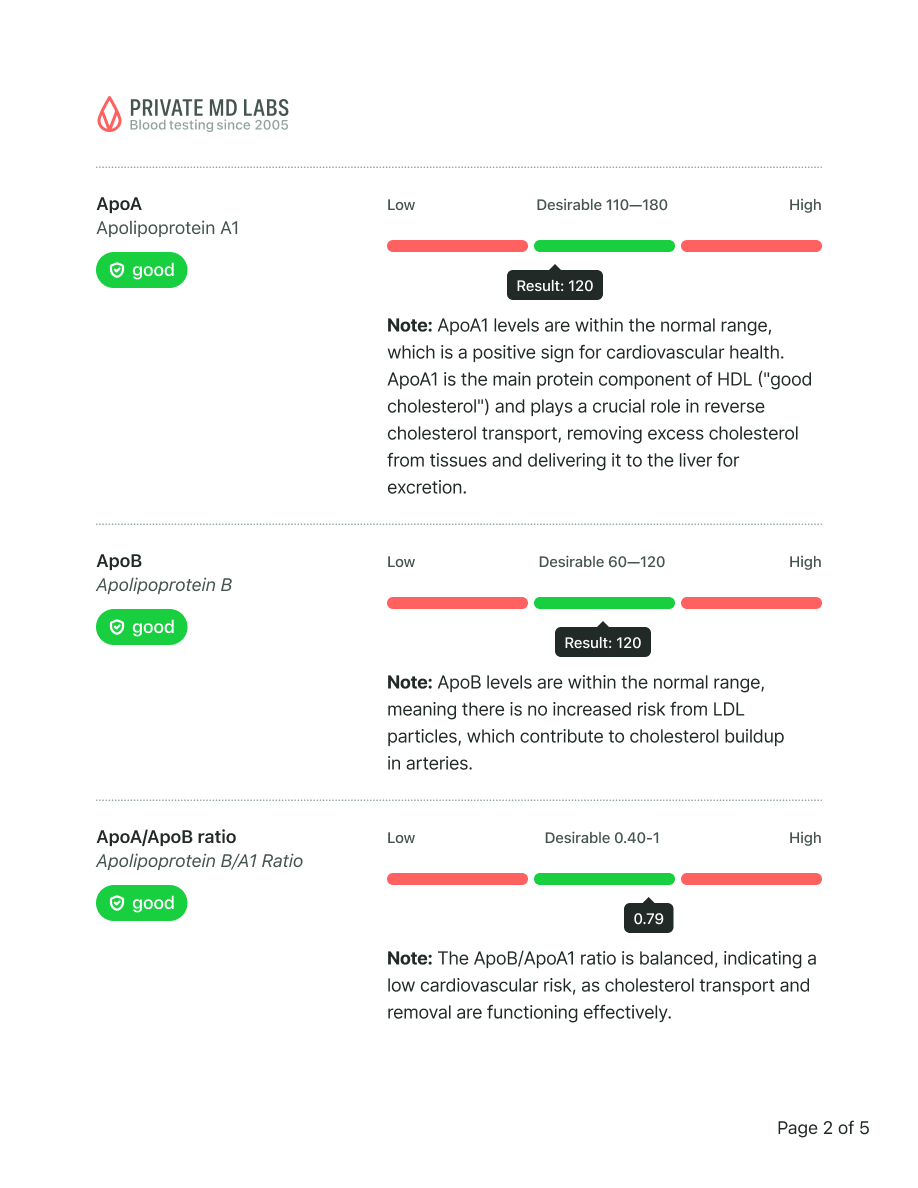
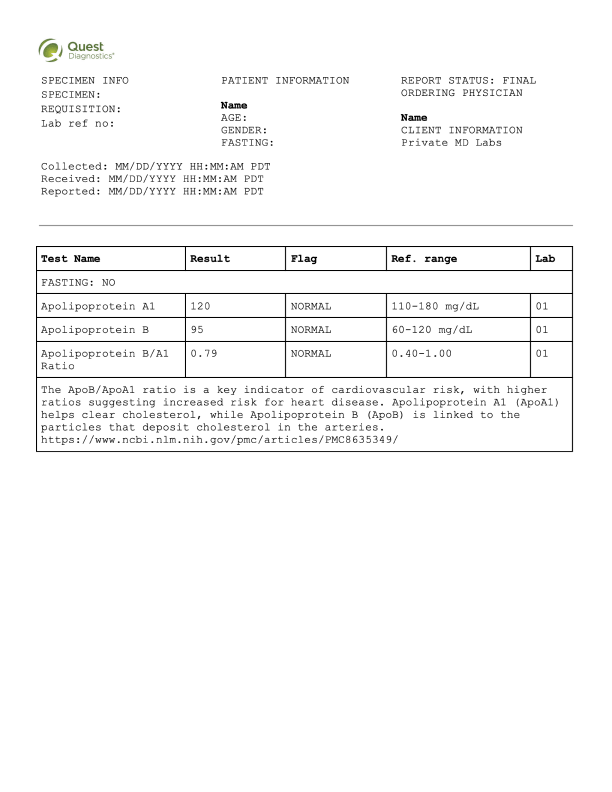
Sample results
Nephrotic syndrome is a kidney disorder characterized by excessive protein loss through urine, leading to low blood protein levels and swelling throughout the body. It is caused by damage to the glomeruli, the tiny filtering units in the kidneys that normally prevent protein from leaking into urine. The Microalbumin Random Urine with Creatinine test is the most important test for diagnosis because it directly measures albumin protein leakage in urine.
Nephrotic syndrome is caused by damage to the glomeruli, the tiny blood vessels in your kidneys that filter waste and excess water from your blood. This damage can result from various conditions including minimal change disease (the most common cause in children), focal segmental glomerulosclerosis, membranous nephropathy, and systemic diseases like diabetes and lupus. When the glomeruli are damaged, they allow too much protein, especially albumin, to leak from your blood into your urine, leading to low protein levels in your bloodstream and fluid buildup in your body.
The Microalbumin Random Urine with Creatinine test is the most important test for nephrotic syndrome because it directly detects and measures albumin protein leaking into your urine, which is the hallmark of this condition. This test provides an accurate assessment by comparing albumin levels to creatinine, accounting for urine concentration variations. Additionally, the Protein Total Serum test is essential for evaluating how much protein has been depleted from your blood due to urinary losses. The Antithrombin III Antigen test is also critical for monitoring your risk of dangerous blood clots, a serious complication that can occur when clotting proteins are lost through urine.
You should get tested if you notice persistent foamy or bubbly urine, which indicates excess protein in your urine. Other warning signs include significant swelling around your eyes (especially in the morning), swollen ankles and feet, unexplained weight gain from fluid retention, or fatigue and loss of appetite. If you have diabetes, lupus, or other conditions that affect your kidneys, regular testing is important even without obvious symptoms. Early detection through blood and urine tests helps prevent serious complications like kidney failure, infections, and blood clots.
What this means
Your testosterone levels are slightly below the optimal range. While this is not necessarily cause for concern, it may contribute to occasional fatigue, reduced motivation, or lower muscle mass over time.
Recommended actions
Increase resistance or strength training
Prioritize 7–8 hours of quality sleep per night, try to reduce stress
Include more zinc- and magnesium-rich foods (like shellfish, beef, pumpkin seeds, spinach)
Consider retesting in 3–6 months
Not overhyped or overpriced. Just comprehensive blood testing made simple and for everyone.
Sample results
Your 24/7 Lab Guide
Quick questions: