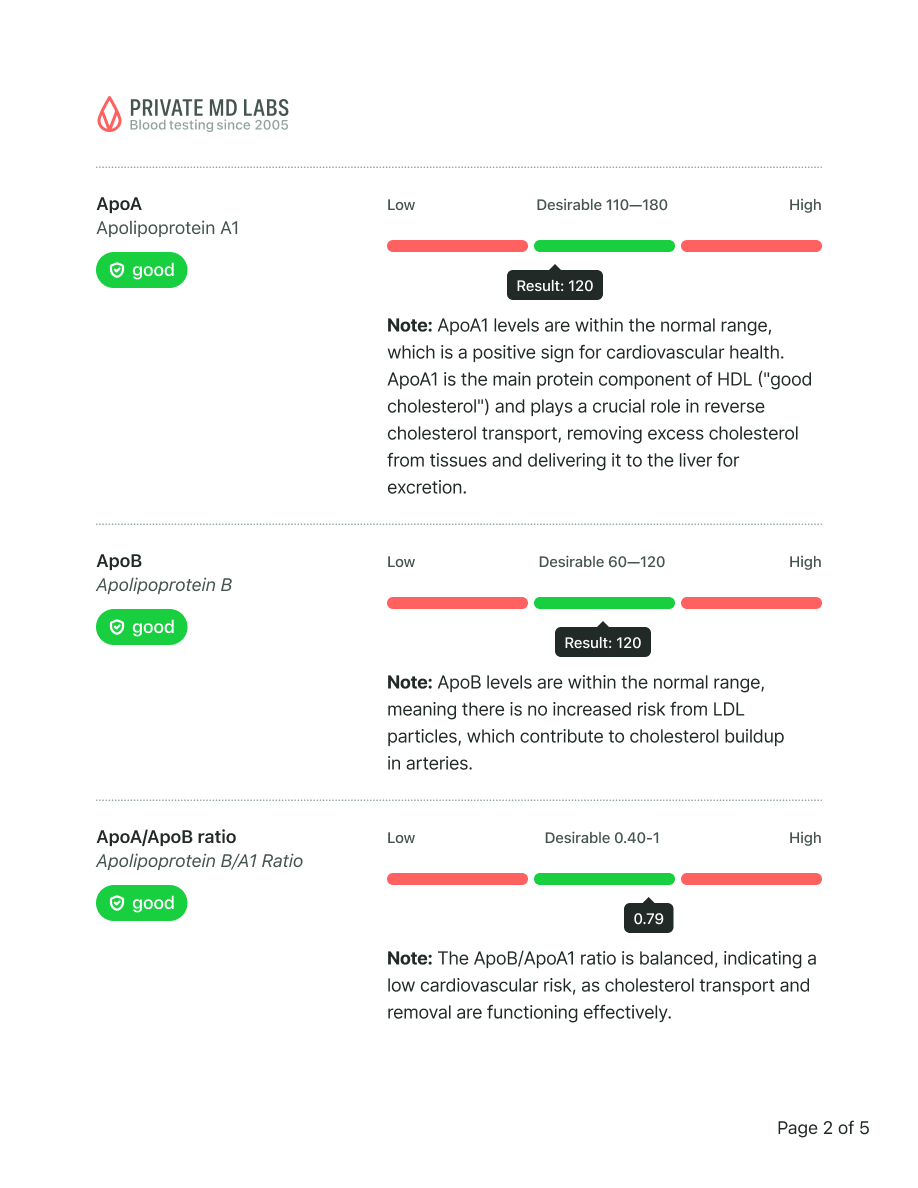
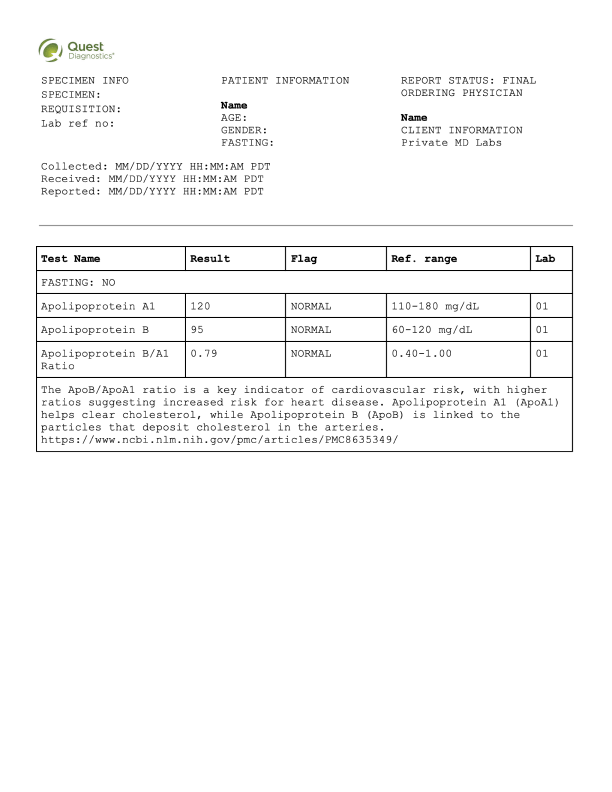
Sample results
Nephritic syndrome is a kidney condition characterized by inflammation of the glomeruli (the kidney's filtering units), leading to blood in the urine, protein loss, and high blood pressure. It is caused by immune complex formation that damages kidney tissue, often triggered by infections like streptococcal bacteria or autoimmune disorders. The Complement Component C3c test is the most important test for diagnosis because it measures immune system activity and complement consumption during kidney inflammation.
Nephritic syndrome is caused by inflammation of the glomeruli, the tiny filtering units in your kidneys. This inflammation is typically triggered by immune complex formation following infections like streptococcal throat or skin infections, or by autoimmune conditions where your immune system mistakenly attacks kidney tissue. Post-infectious glomerulonephritis from Streptococcus bacteria is one of the most common causes, especially in children, while conditions like lupus nephritis and IgA nephropathy can also trigger nephritic syndrome in adults.
The Complement Component C3c test is the most important test for nephritic syndrome because it measures immune system activity and complement consumption during kidney inflammation. When your kidneys are inflamed, immune complexes form and consume complement proteins like C3c, causing levels to drop significantly. Low C3c levels indicate active immune-mediated kidney damage and help doctors identify the specific type of glomerulonephritis you may have. This test is essential for assessing disease severity, guiding treatment decisions, and monitoring how well your kidneys respond to therapy over time.
You should get tested if you notice cola-colored or pink urine indicating blood, sudden swelling in your face, hands, or feet, unexplained high blood pressure, or reduced urination. Testing is especially important if you recently had a throat infection or skin infection and now have these symptoms, as post-infectious glomerulonephritis can develop 1-3 weeks after infection. You should also get tested if you have persistent foamy urine, unexplained fatigue, or a family history of kidney disease, as early detection can prevent permanent kidney damage.
What this means
Your testosterone levels are slightly below the optimal range. While this is not necessarily cause for concern, it may contribute to occasional fatigue, reduced motivation, or lower muscle mass over time.
Recommended actions
Increase resistance or strength training
Prioritize 7–8 hours of quality sleep per night, try to reduce stress
Include more zinc- and magnesium-rich foods (like shellfish, beef, pumpkin seeds, spinach)
Consider retesting in 3–6 months
Not overhyped or overpriced. Just comprehensive blood testing made simple and for everyone.
Sample results
Your 24/7 Lab Guide
Quick questions: