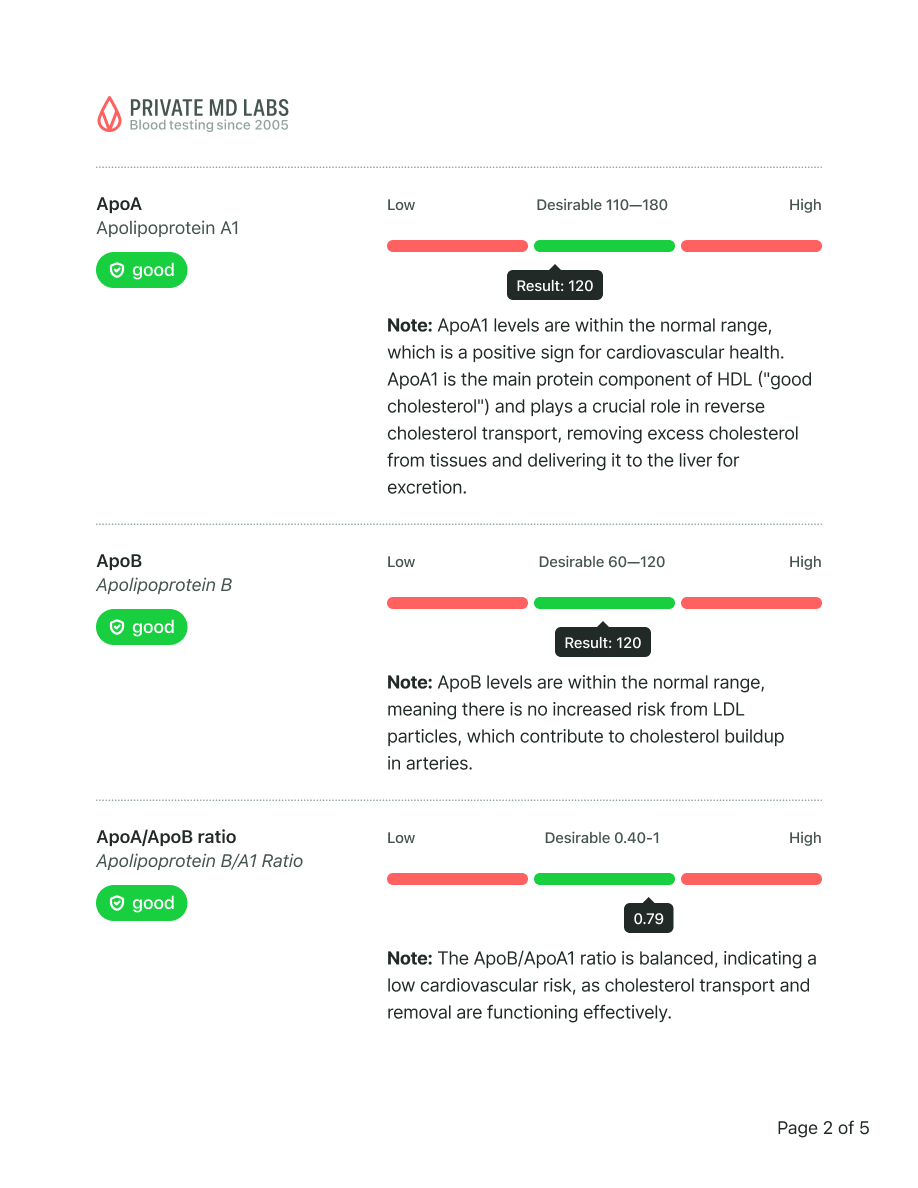
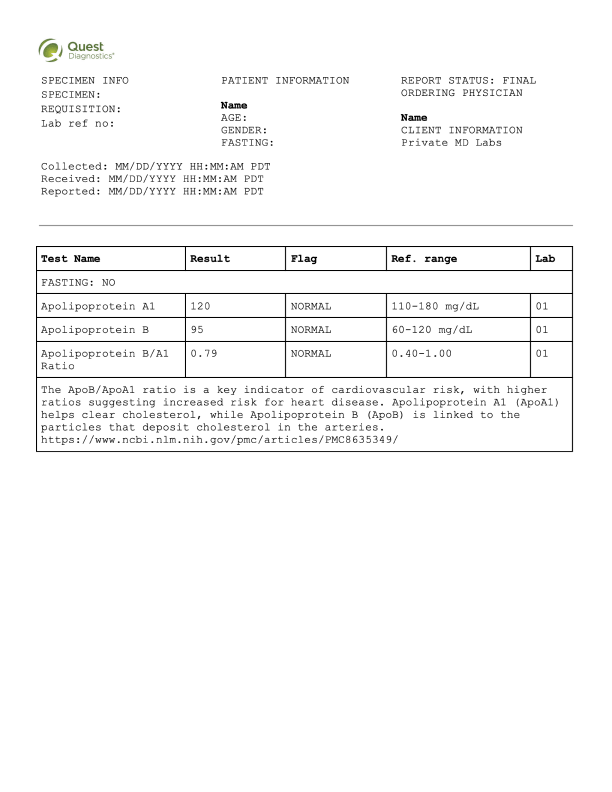
Sample results
Mucocutaneous leishmaniasis is a severe parasitic infection that causes skin ulcers and progressive destruction of mucous membranes in the nose, mouth, and throat. It is caused by Leishmania braziliensis and related parasites transmitted through sandfly bites. The Leishmania Antibody (IgG) blood test is the most important diagnostic tool for detecting this infection.
Mucocutaneous leishmaniasis is caused by Leishmania braziliensis and related parasites transmitted through the bite of infected female phlebotomine sandflies. These parasites enter the skin through the sandfly bite and initially cause localized skin ulcers, but can later spread to the mucous membranes of the nose, mouth, and throat. The infection typically occurs in tropical and subtropical regions of Central and South America, where these sandflies are prevalent.
The Leishmania Antibody (IgG) blood test is the most important test for mucocutaneous leishmaniasis because it detects the specific antibodies your immune system produces in response to Leishmania parasites. This test is essential for confirming the diagnosis when you have characteristic symptoms like persistent skin ulcers or damage to the mucous membranes of your nose, mouth, or throat. Elevated IgG antibody levels indicate an active or recent infection, allowing healthcare providers to distinguish leishmaniasis from other conditions that may cause similar skin and mucosal problems.
You should get tested if you develop persistent skin ulcers that do not heal after traveling to Central or South America, especially tropical regions. Testing is particularly important if you notice any damage to your nose, mouth, or throat areas such as sores, tissue destruction, or nasal congestion that develops weeks to months after a skin ulcer appears. Anyone with a history of sandfly bites in endemic areas who develops these symptoms should seek testing promptly, as early diagnosis helps prevent severe facial disfigurement and tissue destruction.
What this means
Your testosterone levels are slightly below the optimal range. While this is not necessarily cause for concern, it may contribute to occasional fatigue, reduced motivation, or lower muscle mass over time.
Recommended actions
Increase resistance or strength training
Prioritize 7–8 hours of quality sleep per night, try to reduce stress
Include more zinc- and magnesium-rich foods (like shellfish, beef, pumpkin seeds, spinach)
Consider retesting in 3–6 months
Not overhyped or overpriced. Just comprehensive blood testing made simple and for everyone.
Sample results
Your 24/7 Lab Guide
Quick questions: