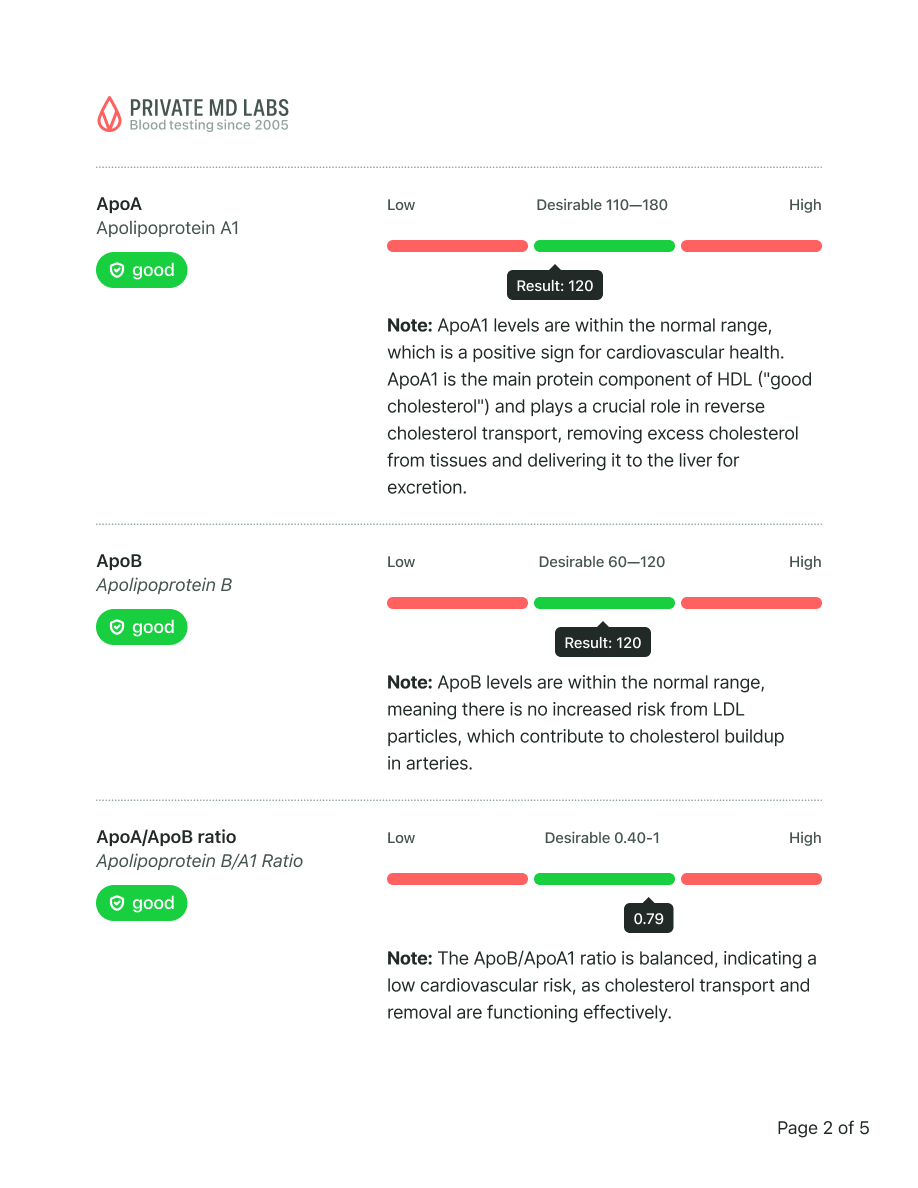
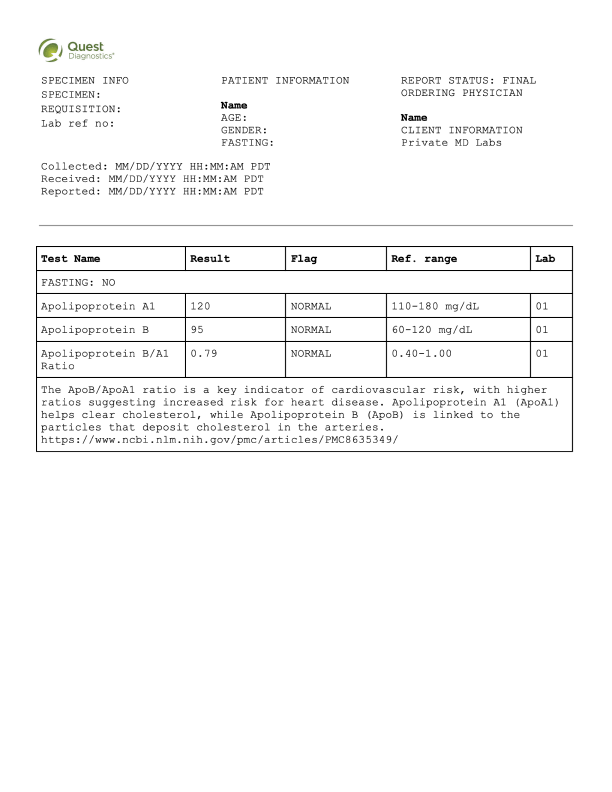
Sample results
Mononucleosis is a viral infection that causes fever, sore throat, swollen lymph nodes, and extreme fatigue. It is caused by the Epstein-Barr virus (EBV) or cytomegalovirus (CMV). The IgM antibody test is the most important test for diagnosis because it detects acute EBV infection.
Mononucleosis is caused by viral infections, primarily the Epstein-Barr virus (EBV) and less commonly cytomegalovirus (CMV). These viruses spread through saliva, which is why mono is often called the kissing disease. You can also get it from sharing drinks, eating utensils, or through coughing and sneezing. Once infected, the virus attacks your white blood cells and spreads throughout your lymphatic system, causing the characteristic swollen lymph nodes and extreme fatigue.
The IgM antibody test is the most important test for mononucleosis because it detects acute Epstein-Barr virus infection, which causes most mono cases. IgM antibodies are the first immune response your body produces during an active infection, making this test highly accurate for diagnosing current mono. The Cytomegalovirus (CMV) Antibodies, IgG test is also essential when symptoms suggest mono but EBV tests are negative, as CMV is the second most common cause. Together, these tests identify which specific virus is causing your infection and confirm whether you have active mononucleosis.
You should get tested if you have a severe sore throat that does not improve with antibiotics, extreme fatigue that interferes with daily activities, swollen lymph nodes in your neck or armpits, or fever that lasts more than a few days. Testing is especially important if you are a teenager or young adult with these symptoms, as mono is most common in this age group. Get tested immediately if you develop severe abdominal pain, as this could indicate a dangerous complication involving your spleen.
What this means
Your testosterone levels are slightly below the optimal range. While this is not necessarily cause for concern, it may contribute to occasional fatigue, reduced motivation, or lower muscle mass over time.
Recommended actions
Increase resistance or strength training
Prioritize 7–8 hours of quality sleep per night, try to reduce stress
Include more zinc- and magnesium-rich foods (like shellfish, beef, pumpkin seeds, spinach)
Consider retesting in 3–6 months
Not overhyped or overpriced. Just comprehensive blood testing made simple and for everyone.
Sample results
Your 24/7 Lab Guide
Quick questions: