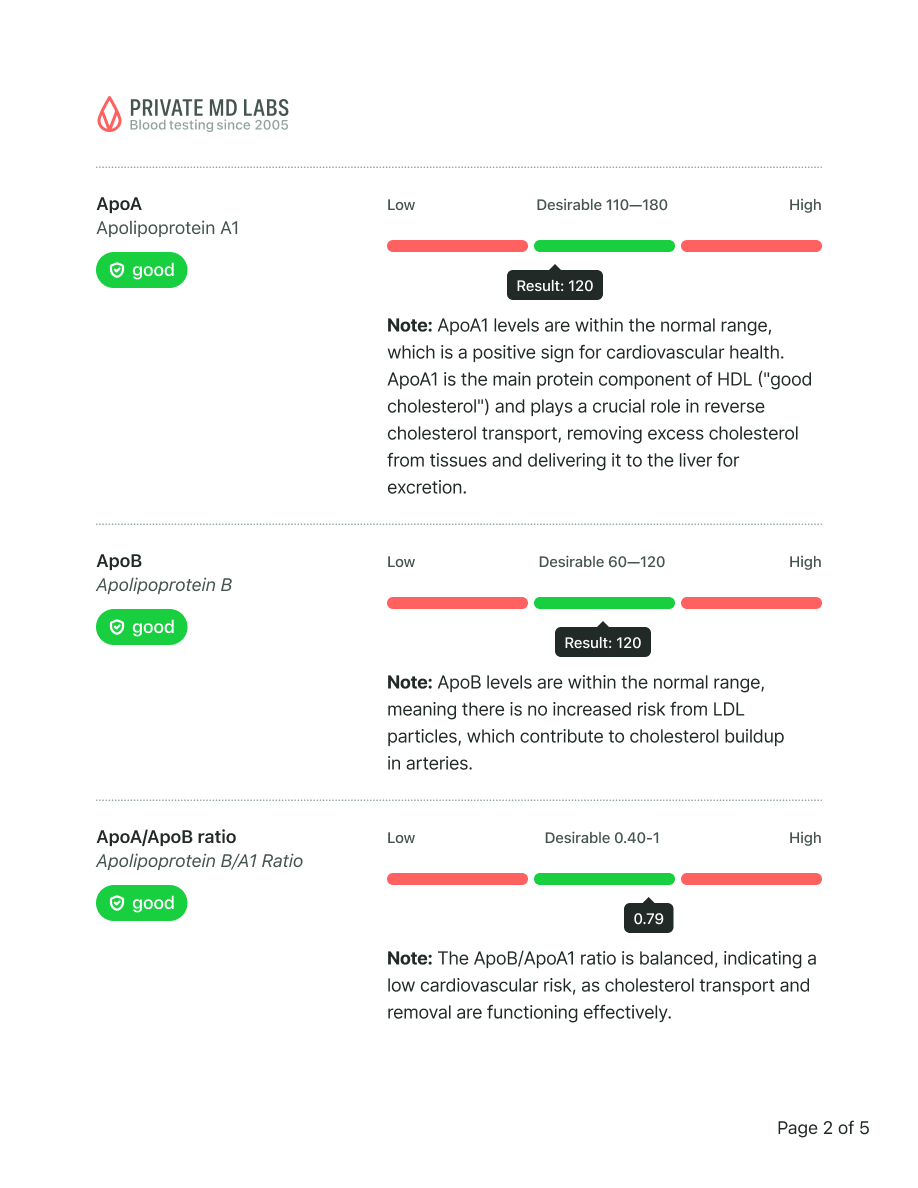
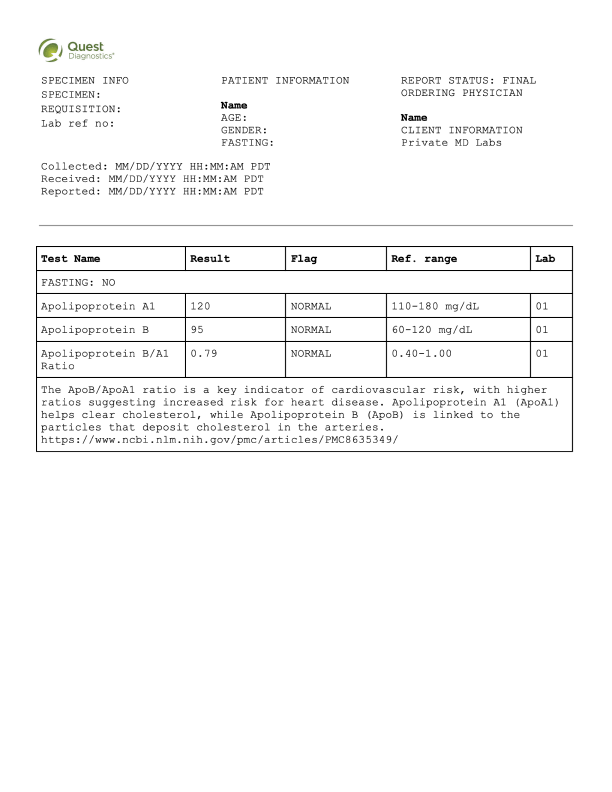
Sample results
Monocytic leukemia is a rare blood cancer characterized by the uncontrolled growth of monocytes, a type of white blood cell that normally fights infections. It is caused by genetic mutations in bone marrow cells that lead to excessive production of abnormal, immature monocytes that crowd out healthy blood cells. The Lysozyme blood test is the most important test for diagnosis because it measures enzyme levels that become significantly elevated when abnormal monocytes proliferate.
Monocytic leukemia is caused by genetic mutations in the DNA of bone marrow stem cells that control blood cell production. These mutations, which can be acquired during a person's lifetime or rarely inherited, cause the bone marrow to produce excessive numbers of abnormal, immature monocytes. Risk factors include previous chemotherapy or radiation treatment, exposure to high levels of radiation or certain chemicals like benzene, genetic disorders such as Down syndrome, and smoking.
The Lysozyme blood test is the most important screening test for monocytic leukemia because it measures an enzyme that becomes significantly elevated when abnormal monocytes multiply excessively in the bloodstream. Lysozyme is released by monocytes, and levels increase dramatically when these cells become cancerous and proliferate. This test is valuable for both supporting initial diagnosis and monitoring disease activity during treatment. While definitive diagnosis requires bone marrow biopsy and additional blood work including complete blood count with differential, the Lysozyme test provides critical information about the characteristic enzyme elevation associated with this specific type of leukemia.
You should get tested if you experience persistent symptoms such as unexplained fatigue and weakness, frequent infections that do not resolve, easy bruising or bleeding, unexplained fever or night sweats, or unintended weight loss. Testing is also recommended if you notice swollen lymph nodes, gums, or spleen, have pale skin suggesting anemia, or develop small red spots under the skin called petechiae. Those with a history of blood disorders, previous cancer treatment, or concerning findings on routine blood work should also consider testing promptly.
What this means
Your testosterone levels are slightly below the optimal range. While this is not necessarily cause for concern, it may contribute to occasional fatigue, reduced motivation, or lower muscle mass over time.
Recommended actions
Increase resistance or strength training
Prioritize 7–8 hours of quality sleep per night, try to reduce stress
Include more zinc- and magnesium-rich foods (like shellfish, beef, pumpkin seeds, spinach)
Consider retesting in 3–6 months
Not overhyped or overpriced. Just comprehensive blood testing made simple and for everyone.
Sample results
Your 24/7 Lab Guide
Quick questions: