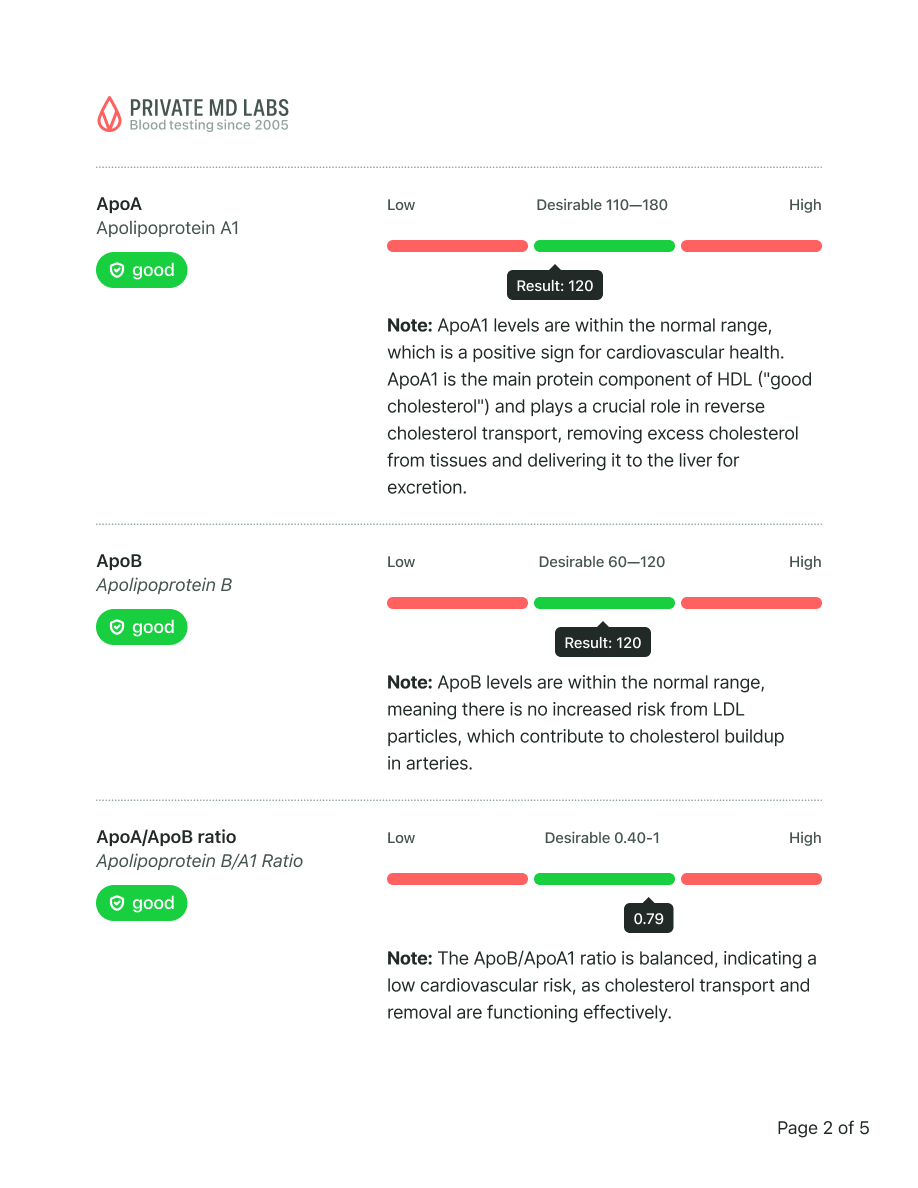
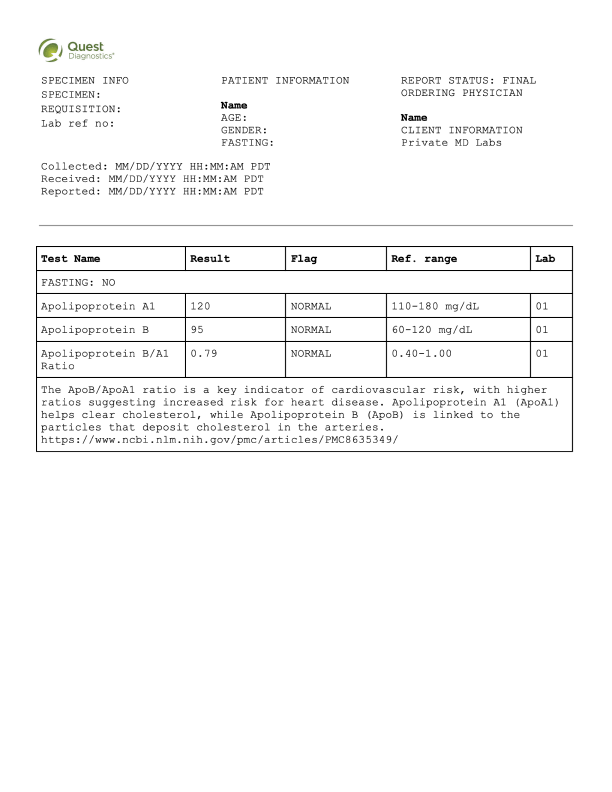
Sample results
Molar pregnancy is a rare pregnancy complication where abnormal tissue grows inside the uterus instead of a normal embryo. It is caused by an error during fertilization that leads to abnormal placental tissue producing extremely high levels of human chorionic gonadotropin (hCG). The Pregnancy Test (Very Early) - Human Chorionic Gonadotropin (hCG), Total, Quantitative is the most important test for diagnosis.
Molar pregnancy is caused by an error during fertilization that results in abnormal chromosomes. In a complete molar pregnancy, an egg without genetic information is fertilized by one or two sperm, resulting in tissue with only paternal chromosomes. In a partial molar pregnancy, a normal egg is fertilized by two sperm, creating tissue with too many chromosomes. Both scenarios cause abnormal placental tissue to grow rapidly instead of a normal embryo, producing extremely high levels of pregnancy hormones.
The Pregnancy Test (Very Early) - Human Chorionic Gonadotropin (hCG), Total, Quantitative is the most important test for molar pregnancy because it measures the exact amount of pregnancy hormone in your blood. In molar pregnancy, the abnormal tissue produces dramatically elevated hCG levels - often much higher than expected for a normal pregnancy at the same stage. These extremely high readings serve as the primary diagnostic indicator that helps healthcare providers identify this rare condition early and monitor treatment effectiveness after the tissue is removed.
You should get tested if you experience severe nausea and vomiting beyond typical morning sickness, vaginal bleeding with grape-like tissue clusters, rapid uterine growth that seems too large for your gestational age, or extremely high blood pressure in early pregnancy. Testing is also important if an ultrasound shows unusual patterns or no visible fetal heartbeat despite positive pregnancy tests. Early detection through hCG blood testing allows for prompt treatment and helps prevent serious complications like persistent gestational trophoblastic disease.
What this means
Your testosterone levels are slightly below the optimal range. While this is not necessarily cause for concern, it may contribute to occasional fatigue, reduced motivation, or lower muscle mass over time.
Recommended actions
Increase resistance or strength training
Prioritize 7–8 hours of quality sleep per night, try to reduce stress
Include more zinc- and magnesium-rich foods (like shellfish, beef, pumpkin seeds, spinach)
Consider retesting in 3–6 months
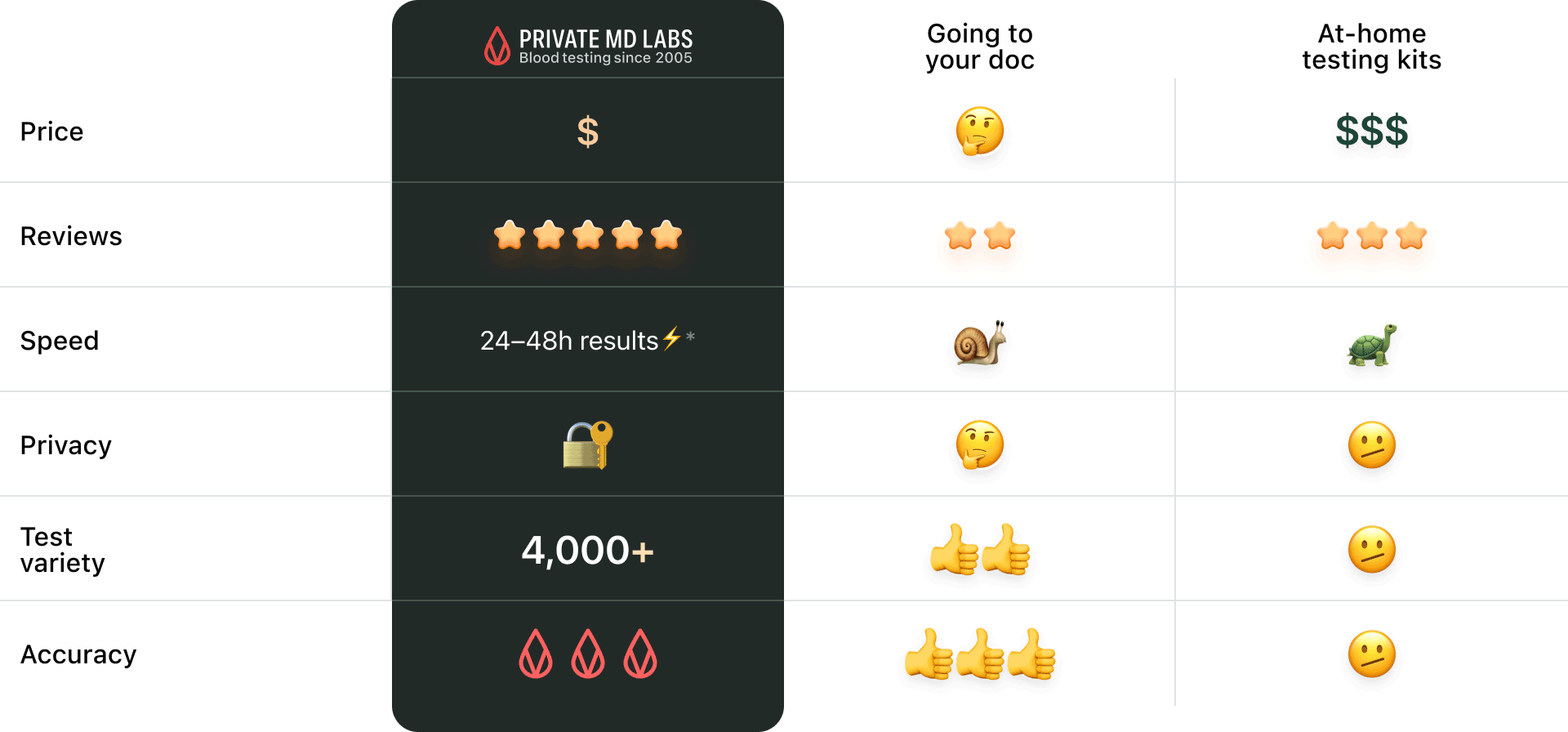
Not overhyped or overpriced. Just comprehensive blood testing made simple and for everyone.
Sample results
Your 24/7 Lab Guide
Quick questions: