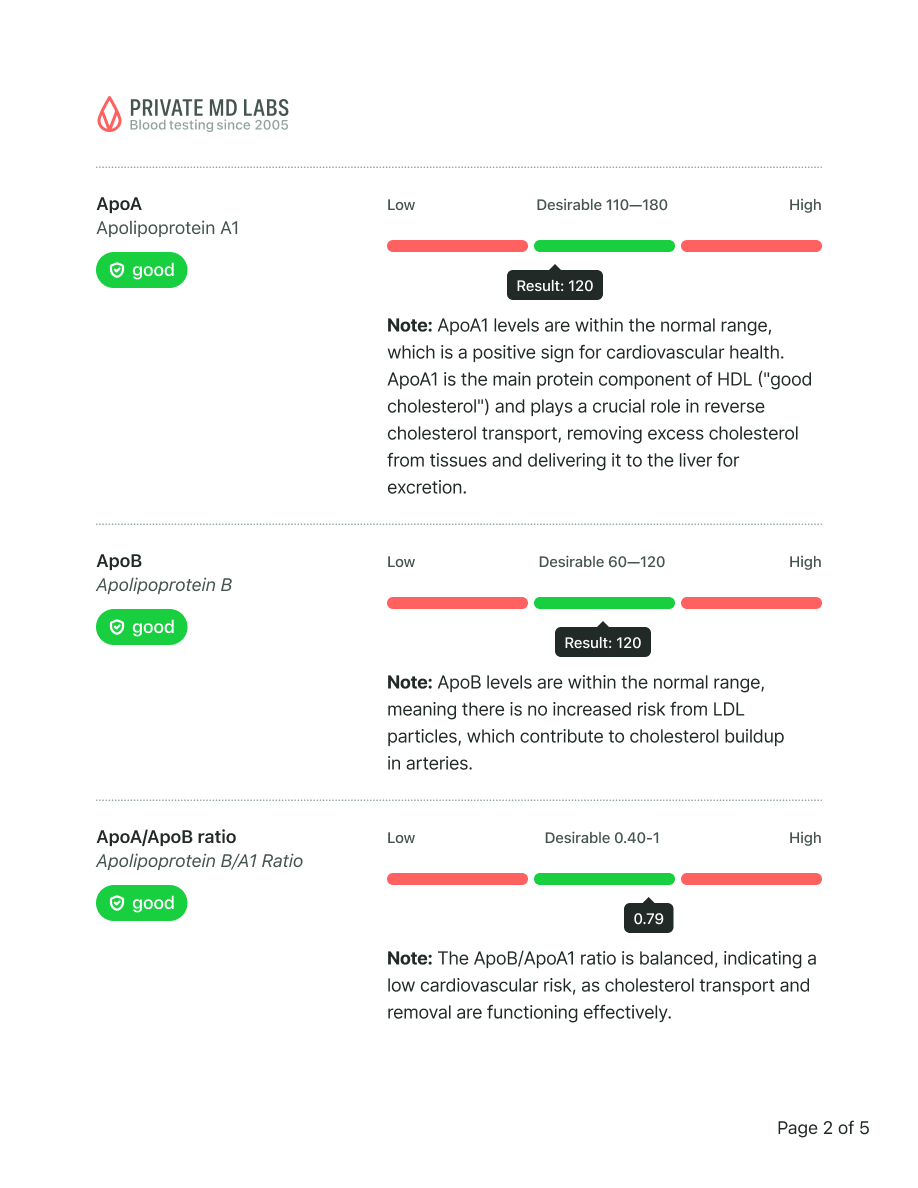
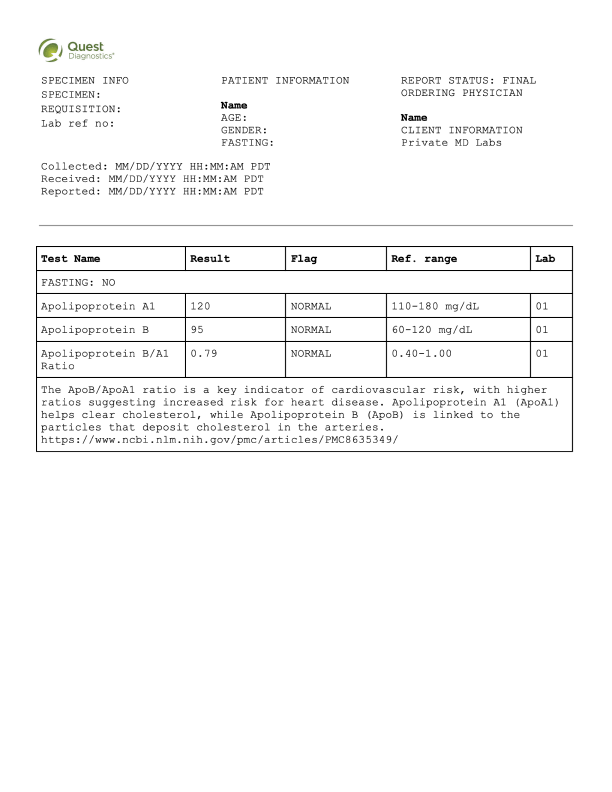
Sample results
Mixed Connective Tissue Disease (MCTD) is a rare autoimmune disorder that combines features of lupus, scleroderma, and polymyositis. It is caused by the immune system producing high levels of antinuclear antibodies (ANA) that attack the body's own connective tissues. The ANA Screen IFA with Reflex to Titer and Pattern is the most important test for diagnosis because it detects these specific autoantibodies and provides the pattern information essential for distinguishing MCTD from other autoimmune conditions.
Mixed Connective Tissue Disease is caused by the immune system mistakenly producing antinuclear antibodies (ANA) that attack the body's own connective tissues, particularly targeting a protein called U1-RNP. This autoimmune response damages multiple organ systems simultaneously, creating a unique combination of symptoms from lupus, scleroderma, and polymyositis. While the exact trigger for this immune system malfunction remains unknown, genetic factors and environmental exposures may play a role in its development.
The ANA Screen IFA with Reflex to Titer and Pattern is the most important test for Mixed Connective Tissue Disease because it detects the high levels of antinuclear antibodies characteristic of MCTD and provides critical pattern information. This test uses immunofluorescence to identify not just the presence of ANA, but also the concentration (titer) and specific staining pattern that helps distinguish MCTD from other autoimmune disorders. MCTD typically shows a speckled pattern with very high ANA titers, and the test can trigger additional testing for anti-U1-RNP antibodies, which are present in nearly all MCTD patients and confirm the diagnosis.
You should get tested if you experience a combination of symptoms affecting multiple body systems, such as swollen fingers, Raynaud's phenomenon (fingers turning white or blue in cold), persistent muscle weakness, or unexplained joint pain and fatigue. Testing is especially important if you notice these overlapping symptoms appearing together or if you have a family history of autoimmune diseases. Early diagnosis through blood testing helps your doctor start appropriate treatment before serious organ damage occurs, particularly to the lungs, heart, or kidneys.
What this means
Your testosterone levels are slightly below the optimal range. While this is not necessarily cause for concern, it may contribute to occasional fatigue, reduced motivation, or lower muscle mass over time.
Recommended actions
Increase resistance or strength training
Prioritize 7–8 hours of quality sleep per night, try to reduce stress
Include more zinc- and magnesium-rich foods (like shellfish, beef, pumpkin seeds, spinach)
Consider retesting in 3–6 months
Not overhyped or overpriced. Just comprehensive blood testing made simple and for everyone.
Sample results
Your 24/7 Lab Guide
Quick questions: