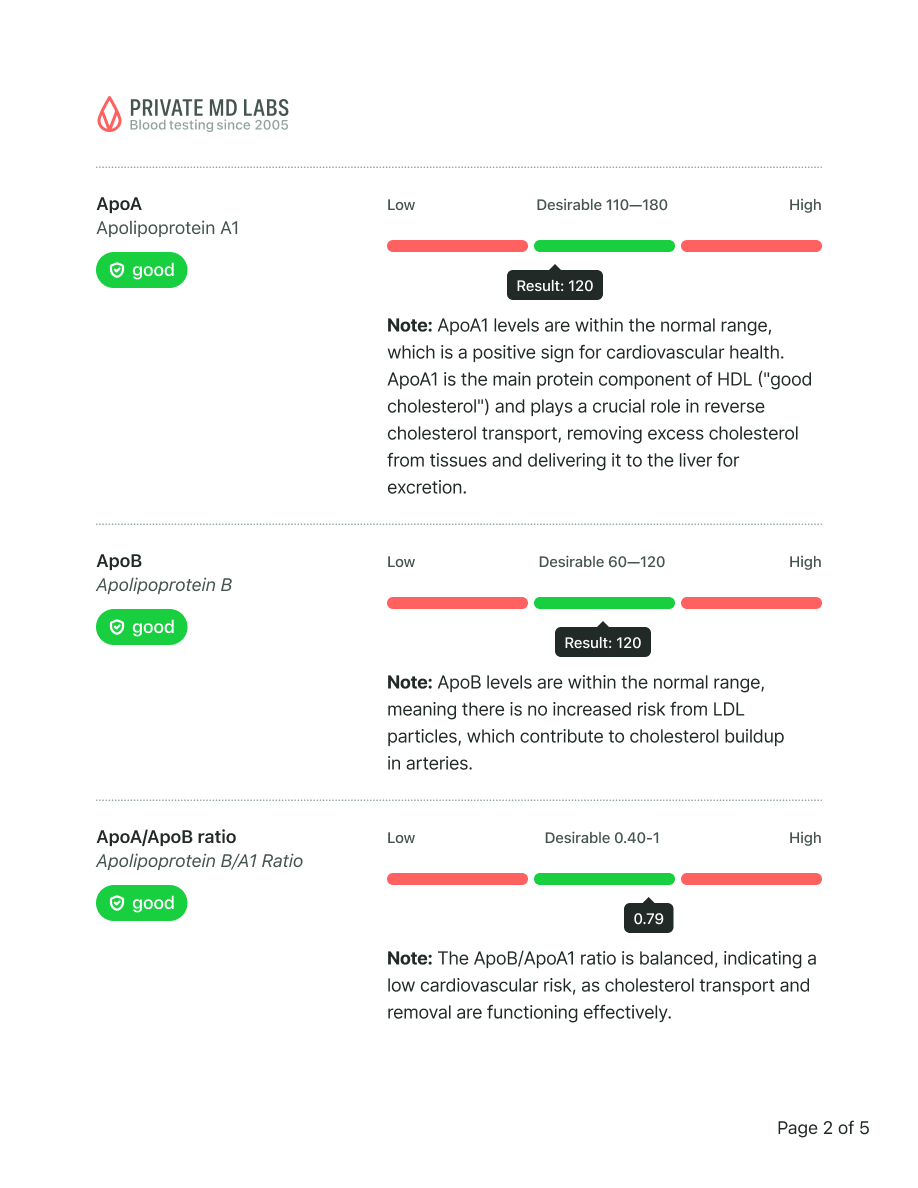
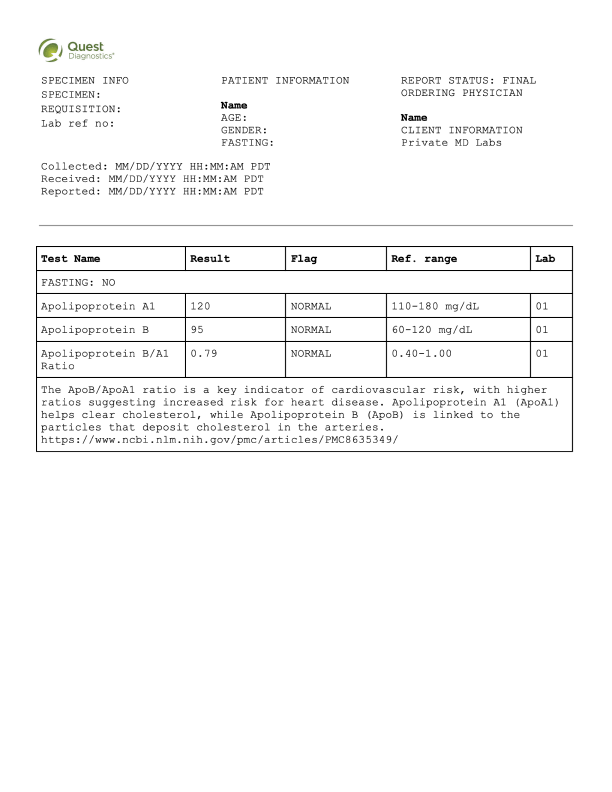
Sample results
A missed miscarriage occurs when a fetus stops developing but the body does not recognize the pregnancy loss, while a blighted ovum happens when a fertilized egg implants but no embryo develops. Both conditions involve abnormal human chorionic gonadotropin (hCG) hormone patterns where levels fail to rise appropriately or begin to decline. The Pregnancy Test (Very Early) - Human Chorionic Gonadotropin (hCG), Total, Quantitative is the most important test for detecting these complications because it measures exact hormone levels that reveal pregnancy viability concerns.
Missed miscarriage and blighted ovum are caused by chromosomal abnormalities in the fertilized egg that prevent normal embryonic development. Most cases result from random genetic errors during cell division, particularly extra or missing chromosomes that make it impossible for the embryo to develop properly. These genetic problems are usually not inherited and do not indicate future fertility issues, though they become more common as maternal age increases beyond 35 years.
The Pregnancy Test (Very Early) - Human Chorionic Gonadotropin (hCG), Total, Quantitative is the most important blood test for missed miscarriage and blighted ovum because it measures the exact amount of pregnancy hormone in your blood. In a healthy pregnancy, hCG levels double every 48-72 hours during early weeks, but with these complications, levels plateau, rise too slowly, or decline unexpectedly. Serial testing over several days reveals these abnormal patterns and helps your healthcare provider assess pregnancy viability before ultrasound confirmation. While ultrasound provides the definitive diagnosis by showing absent fetal development, quantitative hCG testing offers early warning signs and helps monitor your body's response after diagnosis.

You should get tested if you experience any concerning symptoms during early pregnancy, including vaginal bleeding or spotting, cramping or abdominal pain, or suddenly losing pregnancy symptoms like breast tenderness and nausea. Testing is also recommended if you have a history of previous miscarriages, are over 35 years old, or feel uncertain about your pregnancy progression. Getting serial hCG blood tests 48-72 hours apart can reveal abnormal hormone patterns early, giving you and your healthcare provider important information about pregnancy viability and helping guide next steps in your care.
What this means
Your testosterone levels are slightly below the optimal range. While this is not necessarily cause for concern, it may contribute to occasional fatigue, reduced motivation, or lower muscle mass over time.
Recommended actions
Increase resistance or strength training
Prioritize 7–8 hours of quality sleep per night, try to reduce stress
Include more zinc- and magnesium-rich foods (like shellfish, beef, pumpkin seeds, spinach)
Consider retesting in 3–6 months
Not overhyped or overpriced. Just comprehensive blood testing made simple and for everyone.
Sample results
Your 24/7 Lab Guide
Quick questions: