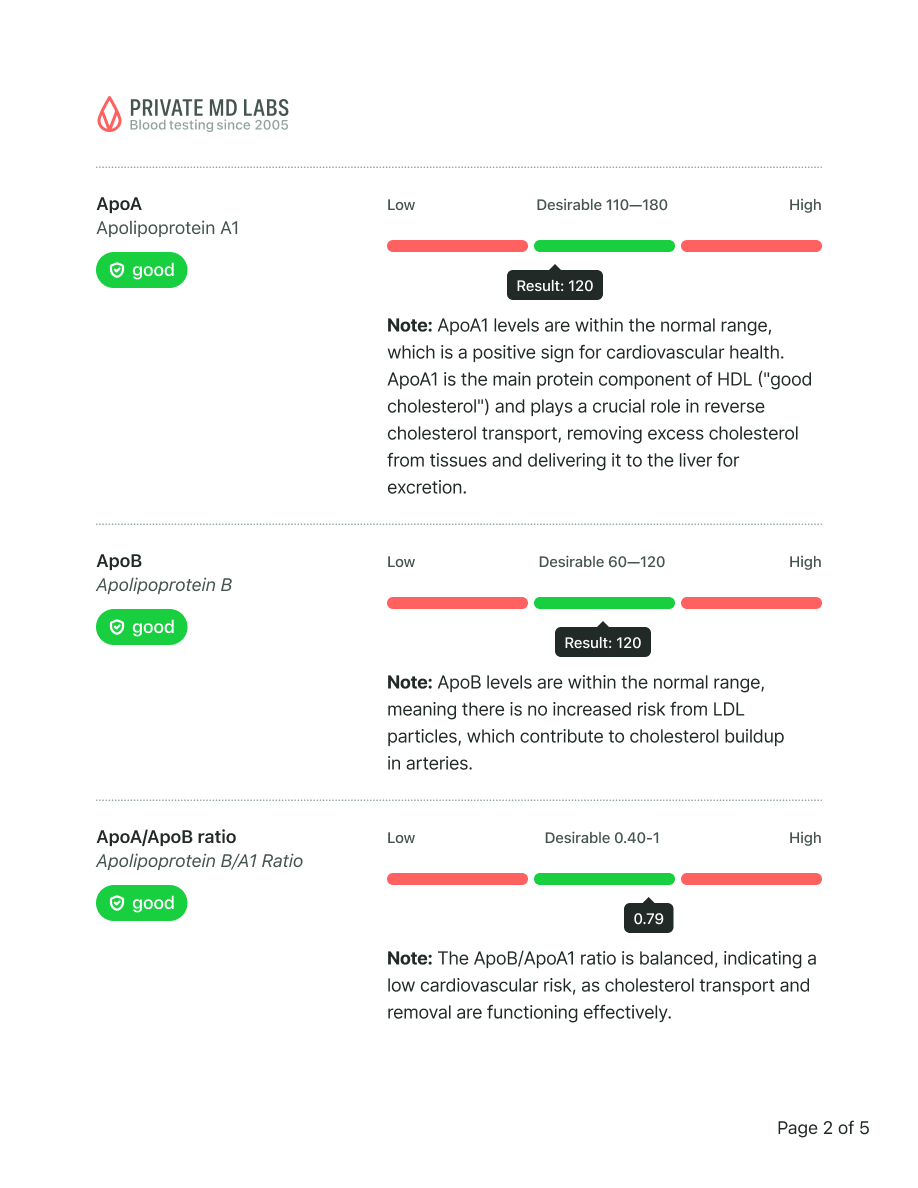
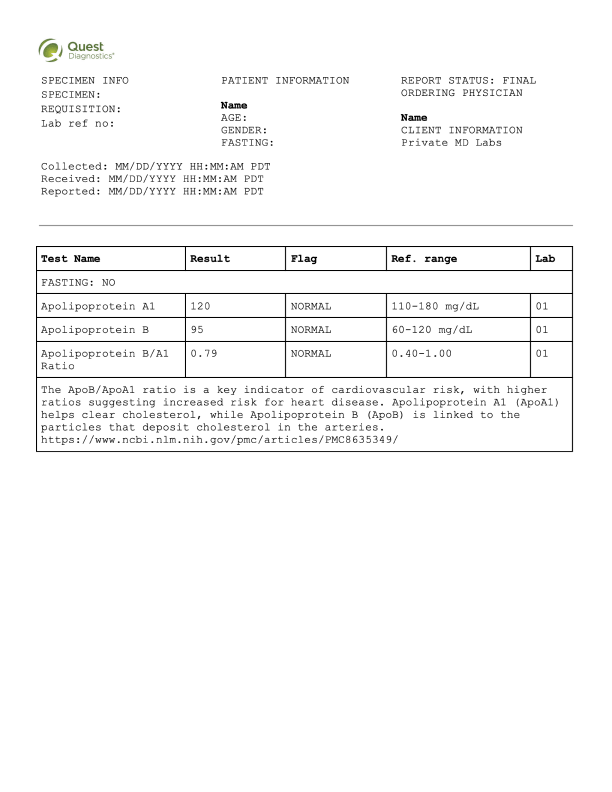
Sample results
Acute mercury poisoning is a serious condition that occurs when a person is exposed to high levels of mercury in a short period. It is caused by ingestion of contaminated fish, inhalation of mercury vapors from industrial accidents or broken thermometers, or direct contact with mercury-containing products. The Mercury Blood Test is the most important test for diagnosis because it directly measures mercury concentration in the bloodstream.
Mercury poisoning is caused by exposure to elemental mercury, inorganic mercury compounds, or organic mercury like methylmercury. Common sources include eating contaminated fish (especially large predatory fish like shark, swordfish, and tuna), inhaling mercury vapors from broken thermometers or fluorescent bulbs, industrial accidents at mining or manufacturing facilities, and contact with mercury-containing medical devices or traditional medicines. Acute poisoning occurs when exposure happens suddenly at high concentrations, overwhelming the body's ability to eliminate the toxic metal.
The Mercury Blood Test is the most important test for acute mercury poisoning because it directly measures the concentration of mercury in your bloodstream. This test detects recent exposure and provides quantitative data measured in micrograms per liter that helps determine the severity of poisoning. Blood mercury levels above 10 mcg/L indicate significant exposure, while levels above 50 mcg/L suggest severe poisoning requiring immediate medical intervention. For cases involving methylmercury exposure from fish consumption, blood testing is especially valuable because it reflects current body burden and helps guide chelation therapy decisions.
You should get tested if you experience sudden symptoms like severe nausea, vomiting, bloody diarrhea, metallic taste in your mouth, difficulty breathing, or chest pain after known mercury exposure. Testing is also critical if you work in industries that use mercury (mining, manufacturing, dental offices), accidentally break a mercury thermometer or fluorescent bulb in an enclosed space, consume large amounts of fish regularly, or develop unexplained symptoms like tremors, memory problems, skin rashes, or increased heart rate. Early testing allows for prompt treatment with chelating agents that can prevent permanent organ damage.

What this means
Your testosterone levels are slightly below the optimal range. While this is not necessarily cause for concern, it may contribute to occasional fatigue, reduced motivation, or lower muscle mass over time.
Recommended actions
Increase resistance or strength training
Prioritize 7–8 hours of quality sleep per night, try to reduce stress
Include more zinc- and magnesium-rich foods (like shellfish, beef, pumpkin seeds, spinach)
Consider retesting in 3–6 months
Not overhyped or overpriced. Just comprehensive blood testing made simple and for everyone.
Sample results
Your 24/7 Lab Guide
Quick questions: