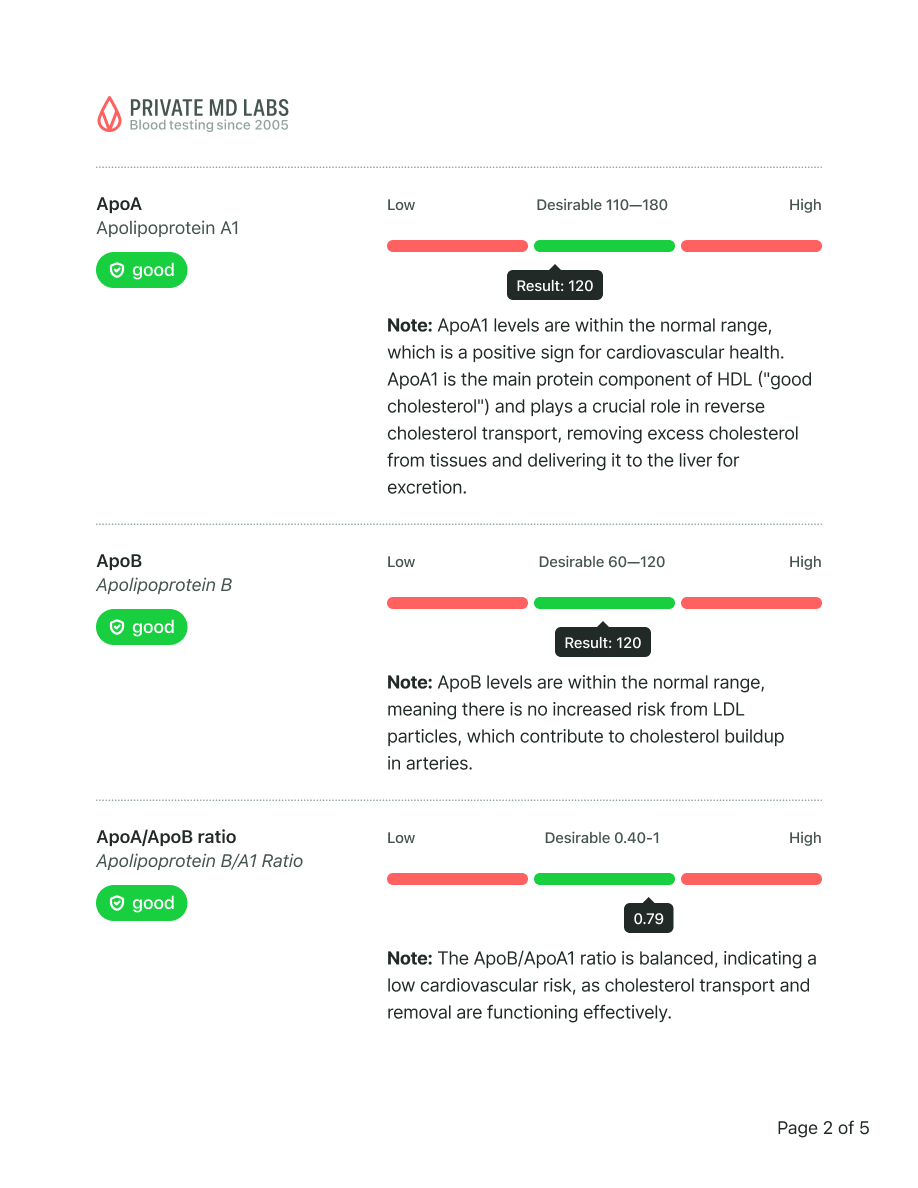
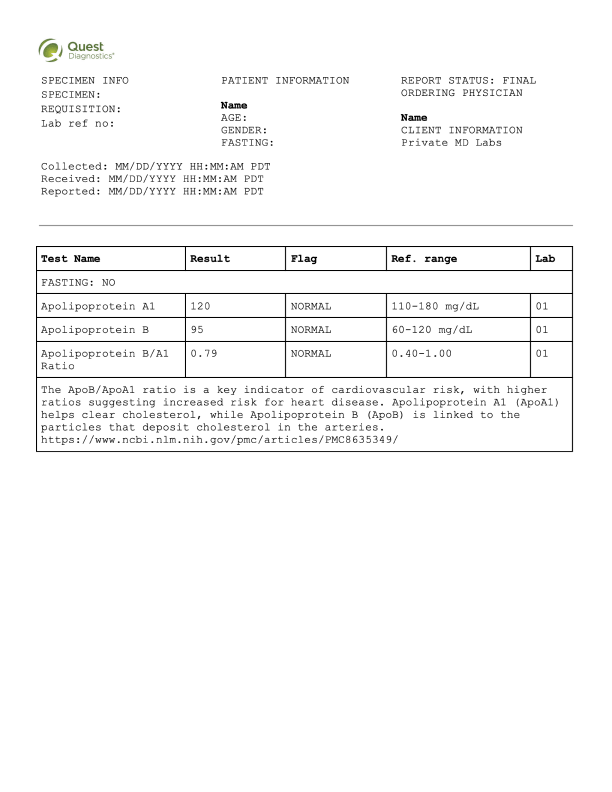
Sample results
Manganism is a neurological disorder that causes Parkinson-like symptoms including tremors, difficulty walking, and cognitive changes. It is caused by excessive exposure to manganese, typically in occupational settings such as welding, mining, steel production, or battery manufacturing. The Manganese, Serum test is the most important test for diagnosis because it detects elevated manganese levels before irreversible brain damage occurs.
Manganism is caused by chronic inhalation or ingestion of excessive manganese, a heavy metal found in welding fumes, mining dust, steel production environments, and battery manufacturing facilities. When manganese accumulates in the brain, particularly in the basal ganglia region, it damages nerve cells responsible for movement and cognitive function. Workers exposed to manganese-containing fumes or dust over months or years are at highest risk, though environmental contamination of drinking water can also cause manganese toxicity in rare cases.
The Manganese, Serum test is the most important test for manganism because it directly measures the concentration of manganese circulating in your bloodstream, detecting overexposure before permanent neurological damage develops. Elevated serum manganese levels above 1.2 micrograms per liter indicate toxic accumulation and increased risk of brain injury. This blood test is essential for workers in high-risk occupations like welding or mining, allowing early detection when removing the exposure source can still prevent irreversible symptoms. Testing should be performed regularly if you work with manganese-containing materials, especially if you notice any tremors, balance problems, or mood changes.
You should get tested if you work in welding, mining, steel production, or battery manufacturing and notice unexplained tremors, difficulty walking, muscle stiffness, or personality changes. Regular screening is important for anyone with occupational manganese exposure, even without symptoms, since blood testing can detect dangerous accumulation before brain damage becomes permanent. Testing is particularly urgent if you experience Parkinson-like symptoms such as slow movements, balance problems, hand tremors, or cognitive difficulties, as early intervention through exposure removal can prevent irreversible neurological damage.

What this means
Your testosterone levels are slightly below the optimal range. While this is not necessarily cause for concern, it may contribute to occasional fatigue, reduced motivation, or lower muscle mass over time.
Recommended actions
Increase resistance or strength training
Prioritize 7–8 hours of quality sleep per night, try to reduce stress
Include more zinc- and magnesium-rich foods (like shellfish, beef, pumpkin seeds, spinach)
Consider retesting in 3–6 months
Not overhyped or overpriced. Just comprehensive blood testing made simple and for everyone.
Sample results
Your 24/7 Lab Guide
Quick questions: