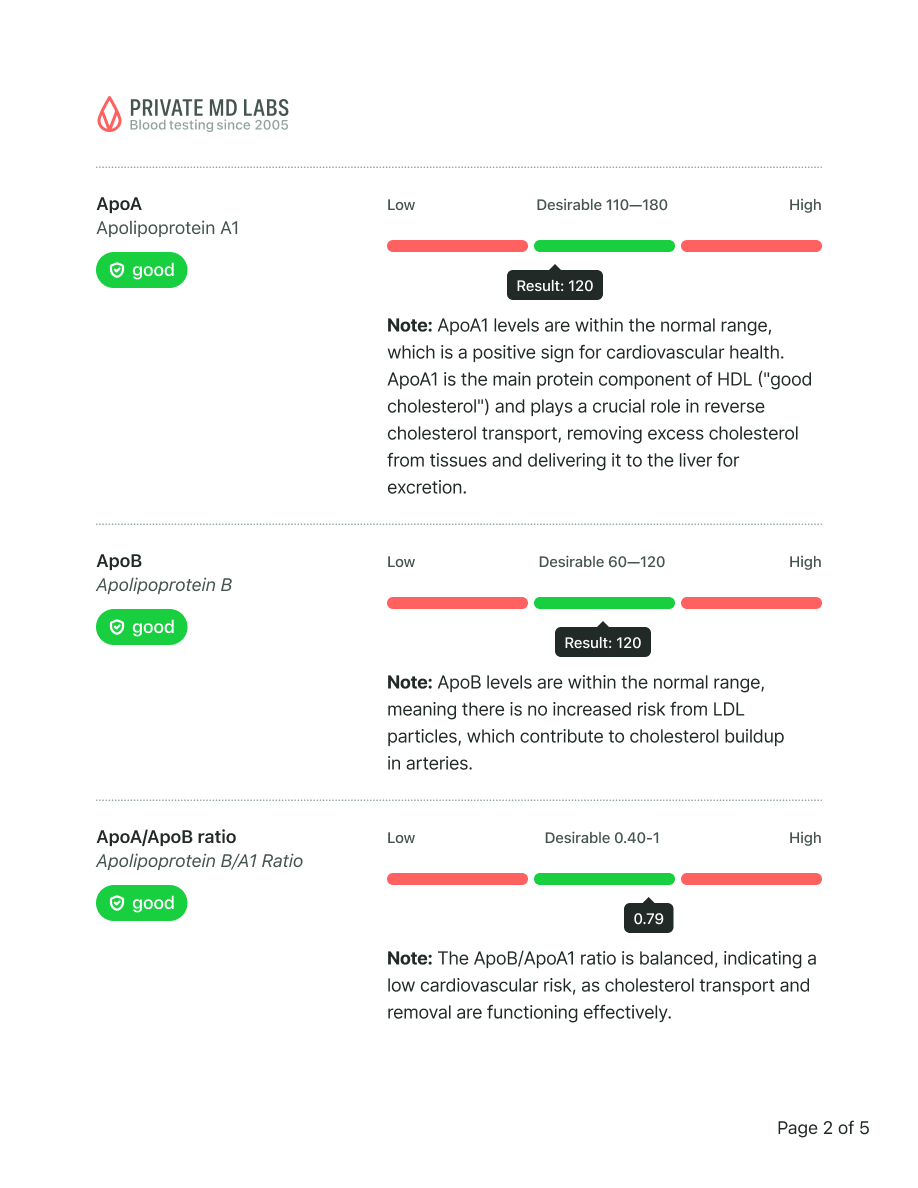
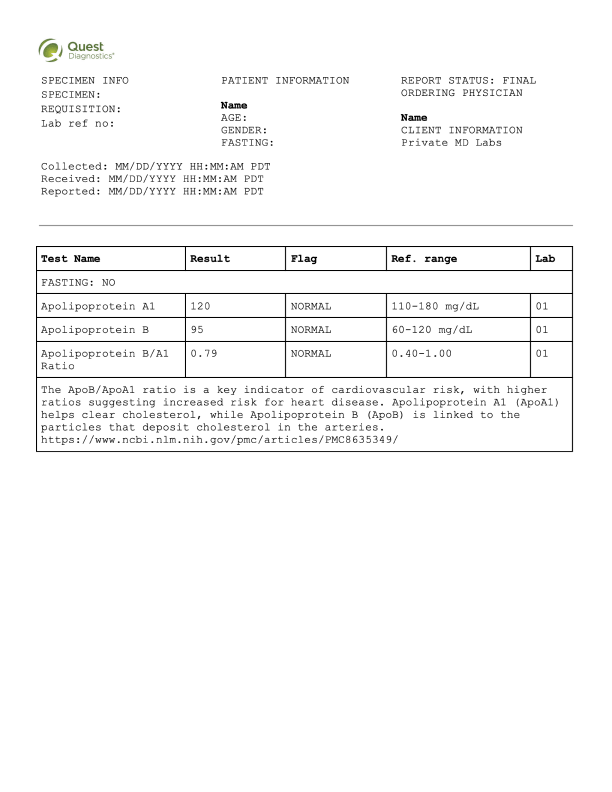
Sample results
Male pattern baldness (androgenetic alopecia) is hereditary hair loss that causes a receding hairline and thinning crown in men. It is caused by dihydrotestosterone (DHT), a powerful hormone that binds to hair follicle receptors and causes them to shrink over time. The Dihydrotestosterone (DHT) LC/MS/MS test is the most important test for understanding the hormonal factors driving male pattern baldness.
Male pattern baldness is caused by dihydrotestosterone (DHT), a hormone derived from testosterone that attacks hair follicles in genetically susceptible men. DHT binds to androgen receptors in scalp hair follicles, causing them to gradually shrink, produce thinner hair, and eventually stop growing altogether. Genetics determine both your sensitivity to DHT and the pattern of hair loss you experience, which is why male pattern baldness tends to run in families.
The Dihydrotestosterone (DHT) LC/MS/MS test is the most important blood test for male pattern baldness because it measures the exact hormone responsible for shrinking hair follicles. This advanced laboratory test uses liquid chromatography-mass spectrometry to precisely quantify DHT levels in your blood, helping you understand the hormonal component of your hair loss. While male pattern baldness is primarily diagnosed through visual examination and family history, knowing your DHT levels provides valuable insight into the biological mechanisms driving your hair loss and can inform treatment decisions with your healthcare provider.
You should get tested if you notice a receding hairline at your temples, thinning hair on the crown of your head, or if you have a family history of male pattern baldness and want to understand your hormonal profile. Testing is especially valuable if you are considering treatment options and want to establish a baseline DHT level, or if you are experiencing hair loss at a younger age and want to rule out other hormonal imbalances. Early testing can help you make informed decisions about hair loss treatments before significant thinning occurs.
What this means
Your testosterone levels are slightly below the optimal range. While this is not necessarily cause for concern, it may contribute to occasional fatigue, reduced motivation, or lower muscle mass over time.
Recommended actions
Increase resistance or strength training
Prioritize 7–8 hours of quality sleep per night, try to reduce stress
Include more zinc- and magnesium-rich foods (like shellfish, beef, pumpkin seeds, spinach)
Consider retesting in 3–6 months
Not overhyped or overpriced. Just comprehensive blood testing made simple and for everyone.
Sample results
Your 24/7 Lab Guide
Quick questions: