Lymphogranuloma Venereum Blood Test

What is Lymphogranuloma venereum?

Lymphogranuloma venereum (LGV) is a chronic sexually transmitted infection that affects the lymphatic system and genital tissues. It is caused by specific serovars (L1, L2, and L3) of Chlamydia trachomatis bacteria, which are more invasive than the strains causing typical chlamydial infections. The Chlamydia and Gonorrhea Test is the most important test for diagnosis because it detects the presence of Chlamydia trachomatis DNA that causes this infection.

RECOMMENDED TEST Chlamydia and Gonorrhea Test
What's included
Fast & easy, results by email & SMS
No extra fees paid at the lab
No need to visit a doctor
Private & confidential
No insurance needed
Results explained
Why Private MD Labs?
90-day money-back guarantee Lab order in minutes Save a trip to the doctor Low prices since 2005 Labs within 2 miles

What causes lymphogranuloma venereum?

Lymphogranuloma venereum is caused by three specific serovars of Chlamydia trachomatis bacteria: L1, L2, and L3. These strains are different and more invasive than the Chlamydia trachomatis strains that cause typical genital infections. The bacteria enter the body through small breaks in the skin during sexual contact and then invade the lymphatic system, causing progressive inflammation and swelling of lymph nodes, particularly in the groin area.

What is the best test for lymphogranuloma venereum?

The Chlamydia and Gonorrhea Test is the most important test for lymphogranuloma venereum because it detects Chlamydia trachomatis DNA or antigens in your system. This nucleic acid amplification test (NAAT) can identify the specific bacterium responsible for LGV from genital, rectal, or throat swab samples. The test is highly sensitive and can detect the infection even in early stages before symptoms become severe. While specialized testing can differentiate between LGV serovars and typical chlamydia strains, the standard Chlamydia and Gonorrhea Test is essential for initial diagnosis and helps determine if you need specialized treatment for this chronic infection.

When should I get tested for lymphogranuloma venereum?

You should get tested if you notice a small painless sore or bump on your genitals, rectum, or mouth that appeared after sexual contact, especially if it heals on its own within a few days. Get tested immediately if you develop painful, swollen lymph nodes in your groin area, have unusual rectal pain or bleeding, or experience abnormal discharge. You should also consider testing if you have had unprotected sex with multiple partners, are a man who has sex with men, or if a sexual partner has been diagnosed with LGV or any sexually transmitted infection.

What are the symptoms of lymphogranuloma venereum?
LGV progresses through three stages with varying symptoms. The first stage typically involves a small, painless sore or ulcer at the infection site that appears 3 to 30 days after exposure and often goes unnoticed. The second stage, occurring 2 to 6 weeks later, brings painful swelling of lymph nodes in the groin, fever, chills, and joint pain. In the third stage, if untreated, you may experience chronic inflammation, scarring, genital swelling, rectal strictures, and painful bowel movements. Rectal LGV can cause persistent pain, bleeding, and discharge that mimics inflammatory bowel disease.
Who is at risk for lymphogranuloma venereum?
Men who have sex with men are at highest risk for LGV, particularly those who engage in receptive anal intercourse. People with multiple sexual partners, those who do not consistently use condoms, and individuals with other sexually transmitted infections face increased risk. LGV outbreaks have been documented in urban areas with active sexual networks, and people living with HIV are more susceptible to contracting and experiencing severe forms of the infection. Sex workers and their clients also have elevated risk due to increased exposure.
What happens if lymphogranuloma venereum is left untreated?
Untreated LGV can cause permanent and debilitating complications affecting your quality of life. The chronic inflammation leads to extensive scarring and tissue destruction, resulting in genital elephantiasis (severe swelling), rectal strictures that make bowel movements difficult or impossible, and fistulas (abnormal connections between organs). Women may develop esthiomene, a condition causing severe genital tissue destruction. The infection can spread to other areas of the body and increase your risk of transmitting or acquiring HIV. These complications often require surgical intervention and may never fully resolve even after treatment.
Can lymphogranuloma venereum be diagnosed with a blood test?
Lymphogranuloma venereum is not typically diagnosed with a traditional blood test. The primary diagnostic method uses nucleic acid amplification tests (NAATs) that detect Chlamydia trachomatis DNA from swab samples taken from the infection site, such as the genitals, rectum, or throat. Blood tests for chlamydia antibodies can show exposure to the bacteria but cannot distinguish between LGV-causing serovars and typical chlamydia strains. Specialized molecular testing or genotyping can confirm LGV-specific serovars, but these tests require specimens from the affected area rather than blood samples.
How is lymphogranuloma venereum treated?
LGV requires a longer course of antibiotics compared to typical chlamydial infections. The standard treatment is doxycycline 100 mg taken twice daily for 21 days, which is significantly longer than the 7-day treatment for uncomplicated chlamydia. Alternative antibiotics include erythromycin or azithromycin for people who cannot take doxycycline, such as pregnant women. All sexual partners from the past 60 days need testing and treatment to prevent reinfection. Large swollen lymph nodes may require drainage through aspiration or surgical incision to relieve pain, and severe cases with complications may need additional surgical procedures to correct strictures or fistulas.
How can I prevent lymphogranuloma venereum?
Consistent and correct condom use during all forms of sexual contact (vaginal, anal, and oral) significantly reduces your risk of contracting LGV. Limit your number of sexual partners and establish mutually monogamous relationships with partners who have tested negative for sexually transmitted infections. Regular STI screening is essential if you are sexually active with multiple partners or engage in high-risk behaviors. Avoid sexual contact if you or your partner has visible sores, bumps, or unusual discharge. If diagnosed with LGV, abstain from sexual activity until you complete the full antibiotic course and your healthcare provider confirms the infection is cleared.
What can I do at home for lymphogranuloma venereum?
While antibiotics are essential for treating LGV, you can support your recovery at home by taking all prescribed medications exactly as directed for the full 21-day course, even if symptoms improve earlier. Apply warm compresses to swollen lymph nodes to reduce pain and discomfort. Take over-the-counter pain relievers like ibuprofen or acetaminophen to manage fever and pain. Wear loose, breathable clothing to avoid irritating affected areas and maintain good hygiene by keeping the genital area clean and dry. Rest adequately, stay hydrated, and eat a balanced diet to support your immune system. Avoid all sexual contact until treatment is complete and your healthcare provider confirms the infection is cleared.
How’s this work?
Getting your blood test with us is easy, private & backed by the power of science.

Long story short:
  1. In the test options, use the filters or search box to narrow your choices and find the test you want.
  2. If you need a hand navigating through options, text our super friendly support team at 754-799-7833, and we'll provide tailored suggestions to help you find the ideal test.
  3. Once your order is placed, we’ll create your doctor’s lab order remotely, without any need for you to make a trip to a doctor in person or to talk to the doctor. Expect to receive your doctor’s lab order right in your inbox. It will also be in your patient portal if you need to find it later. We’ll also include instructions regarding fasting and other requirements for your test. Your patient portal will be auto-created hassle-free during checkout.
  4. If this is your first time ordering, you'll be prompted to create a password for instant login access to your patient portal. It's a quick way to conveniently access your orders and results whenever you want.
  5. When you’re ready, visit one of our 4,000 locations. Just bring your ID – no printing or faxing of your lab order is needed, as your order and details will already be in the lab system.
  6. Note that most lab locations don’t accept walk-ins, so it’s best to book an appointment in advance. Don’t worry – we’ll provide detailed instructions along the way.
  7. You’ll get your results via email & SMS and dive into understanding your body better. Yup, that easy!
  8. If you have any questions, please text us at 754-799-7833 or email support@privatemdlabs.com and we'll gladly help you.
How do I know which test to get?
In the test options, find the test you want. If you’re not sure which test to get, we can lend a hand in finding the right option.

Just text or call us at 754-799-7833, email us at support@privatemdlabs.com, and we'll gladly help you. We've got your back and reply quickly.
Is it possible to make changes to my lab order if I made a mistake with the name, date of birth, or any other details?
Absolutely! We totally understand that errors can happen. No worries, we're here to help you.

Just reach out to us via text at 754-799-7833 or shoot us an email at support@privatemdlabs.com. Remember to include your order number and let us know the correct information you’d like to update. Our awesome team will jump right in and make sure everything is sorted out and accurate for you.

There are no changes necessary if your address is wrong on the requisition though. We don’t mail anything out.

Our lab requires an address to be listed to generate an order.
Do you accept health insurance?
Only HSA & FSA is accepted.

Our services are strictly self-pay and cannot be submitted to your health insurance provider except for Health Savings Accounts or Flexible Savings Accounts.

This policy applies to all insurance companies, including federal health insurance programs like Medicare.

If you have any questions, please text us at 754-799-7833 or email support@privatemdlabs.com.
Can I cancel my order?
Yes.

We get it – sometimes your needs change.

As long as your samples haven’t been collected yet, we’re happy to help you cancel your order.

If you have any further questions, please text us at 754-799-7833 or email support@privatemdlabs.com.

You can read more about our cancellation policy here.
How can I find a lab location near me?
During the ordering process, you’ll be able to select a specific lab near you, with no strings attached! You can switch it up later easily and visit any of our authorized locations as long as it’s the same lab company you selected your test for (Quest Diagnostics or Labcorp).

Before you proceed with your order, feel free to browse through all our lab locations here. This will give you the peace of mind of knowing that there's a lab nearby your home, office or your favorite gym.

If you have any questions, please text us at 754-799-7833 or email support@privatemdlabs.com and we'll gladly help you.
Here’s how easy it is to get blood work done on your terms
Choose a checkup
Order your test Save a trip to the doctor. Your results will come with clear, friendly explanations. Takes 2 minutes
Book a lab
Book an appointment Visit any of our 4,000 nearby lab locations to have your samples collected. Book or walk-in
Choose a checkup
Get results Receive a clear, easy-to-digest health report by email & SMS within a few business days. Get answers, fast

Here’s why 1,000,000+ customers chose us for affordable hassle-free private blood testing.

You get clinical lab reports & simplified health insights.
Save time & gas, go straight to the lab. Our doctors cover the rest.
Results start landing the next day after your lab visit.*
We don’t sell or share your data. Your time & privacy matter.
US-licensed doctors have your back if things get unclear.
No hidden fees, nice discounts for regular checkups.
Save a trip to the doctor, go directly to the lab
Instant orders, results often overnight*
Results explained in simple language
Reviewed by US licensed doctors
Fast & confidential, we never sell or share your data
No insurance needed, transparent pricing
Demo results
Testosterone 375 ng/dL
Demo results
Normal Optimal 400 - 1000 High
375 ng/dL

What this means

Your testosterone levels are slightly below the optimal range. While this is not necessarily cause for concern, it may contribute to occasional fatigue, reduced motivation, or lower muscle mass over time.

* Regular blood test results (e.g., CBC) typically start arriving the next business day after sample collection. More complex tests, such as hormone panels, may take up to 10–15 business days due to their complexity.

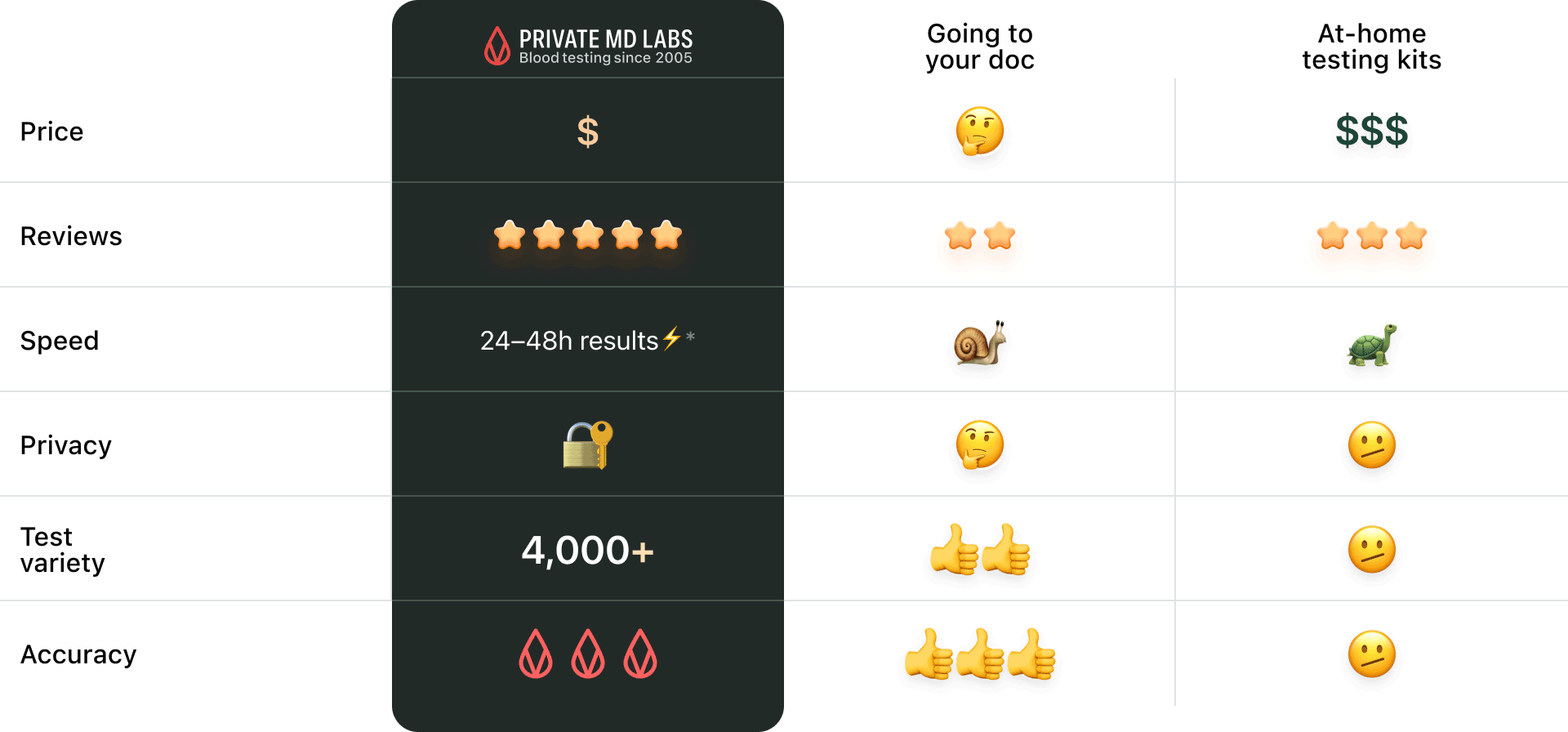
Us vs. Them

Not overhyped or overpriced. Just comprehensive blood testing made simple and for everyone.

* Regular blood test results (e.g., CBC) typically start arriving the next business day after sample collection. More complex tests, such as hormone panels, may take up to 10–15 business days due to their complexity.

1,000,000+ blood tests later, here's what our customers say

Google reviews 505 reviews Next
Chlamydia and Gonorrhea Test
What's included
Fast & easy, results by email & SMS
No need to visit a doctor
Private & confidential
No insurance needed
Results explained
No extra fees paid at the lab

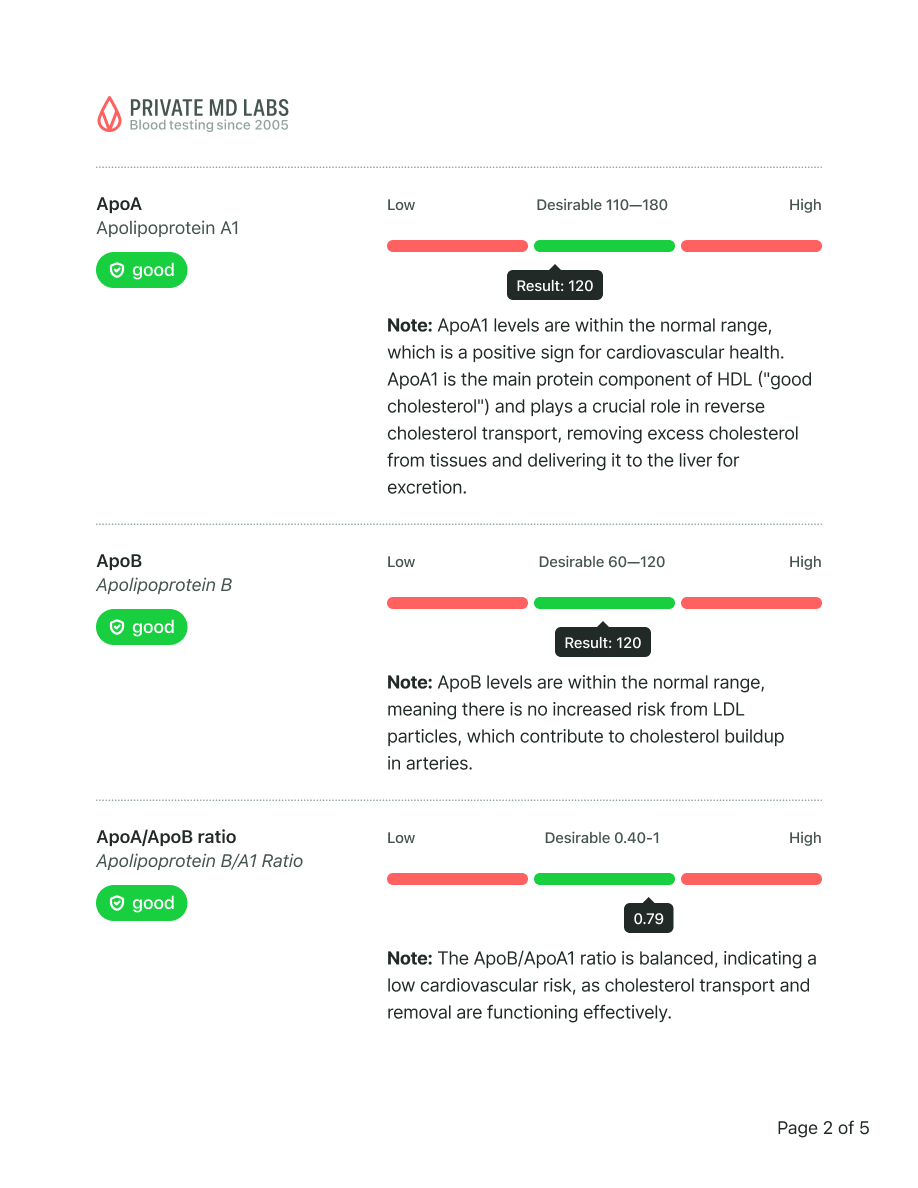
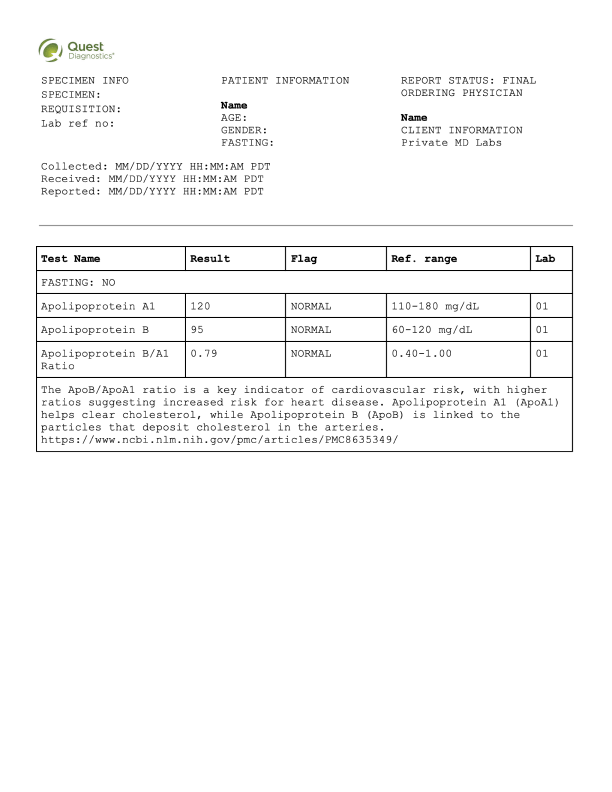
Sample results

Sample image
For you & your coach Health insights Written in human language, backed by science.
Sample image
For you & your doc Classic lab report A familiar and comprehensive lab report.

Ask AI

Your 24/7 Lab Guide

Quick questions:

Which test is right for my symptoms?
What could be causing this?
When should I get tested?
A
Hi, I'm AI. I can help you find the right test, explain results, or prepare for your visit. What can I help with?
Just now
A
AI provides insights, not medical diagnoses.