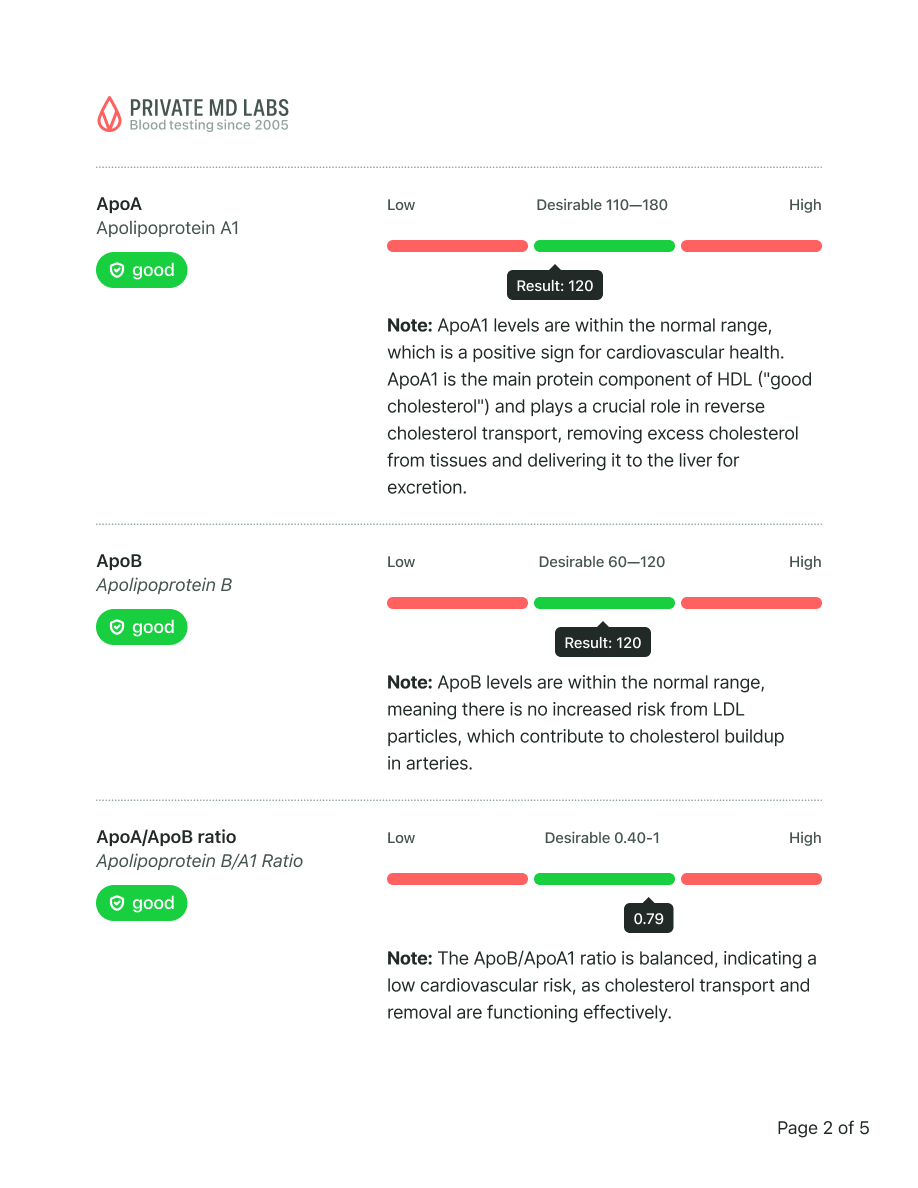
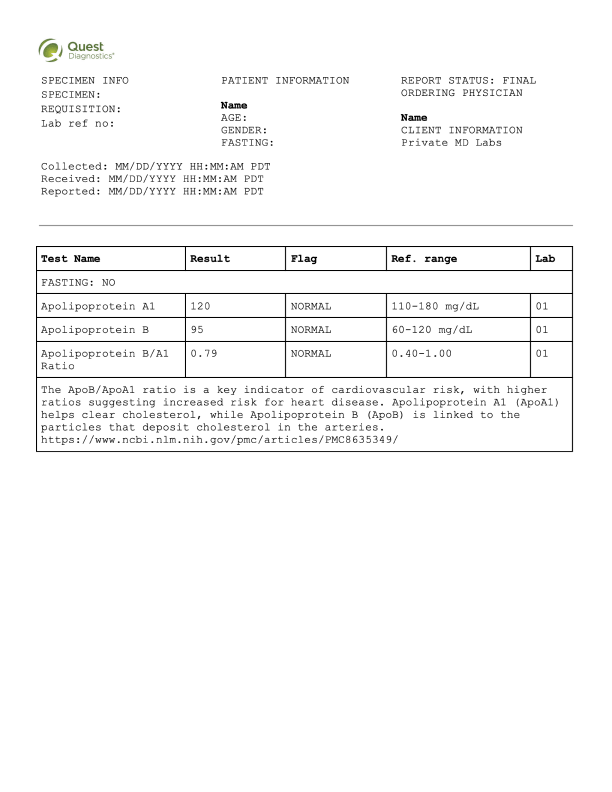
Sample results
Lipodystrophy is a rare condition characterized by abnormal distribution or loss of fat tissue in the body. It is caused by genetic mutations or acquired factors that disrupt fat cell development and hormone production, particularly leptin deficiency. The Leptin, Serum test is the most important test for lipodystrophy because it measures hormone levels directly affected by reduced fat tissue.
Lipodystrophy is caused by genetic mutations affecting fat cell development or acquired factors such as certain medications, autoimmune conditions, or infections that damage fat tissue. In congenital forms, mutations in genes like LMNA, BSCL2, and AGPAT2 disrupt normal fat cell formation and storage. Acquired lipodystrophy can result from HIV medications, insulin injections at the same site repeatedly, or autoimmune disorders that attack fat cells, leading to abnormal fat distribution throughout the body.
The Leptin, Serum test is the most important test for lipodystrophy because it directly measures leptin hormone levels, which are significantly reduced due to loss of fat tissue. Leptin is produced by fat cells and regulates appetite, metabolism, and energy balance, so low levels indicate the severity of fat tissue loss. This test helps healthcare providers determine if leptin replacement therapy might benefit patients with metabolic complications. Additionally, comprehensive metabolic panels checking blood sugar, triglycerides, and liver function help monitor the metabolic consequences of lipodystrophy.
You should get tested if you notice unusual fat loss in your face, arms, or legs combined with fat accumulation in other areas like your abdomen or neck. Testing is also important if you have a family history of lipodystrophy, are experiencing unexplained metabolic problems like diabetes or high triglycerides, or are taking medications known to cause fat redistribution. Early detection through leptin testing helps guide treatment decisions and prevent serious metabolic complications before they worsen.
What this means
Your testosterone levels are slightly below the optimal range. While this is not necessarily cause for concern, it may contribute to occasional fatigue, reduced motivation, or lower muscle mass over time.
Recommended actions
Increase resistance or strength training
Prioritize 7–8 hours of quality sleep per night, try to reduce stress
Include more zinc- and magnesium-rich foods (like shellfish, beef, pumpkin seeds, spinach)
Consider retesting in 3–6 months
Not overhyped or overpriced. Just comprehensive blood testing made simple and for everyone.
Sample results
Your 24/7 Lab Guide
Quick questions: