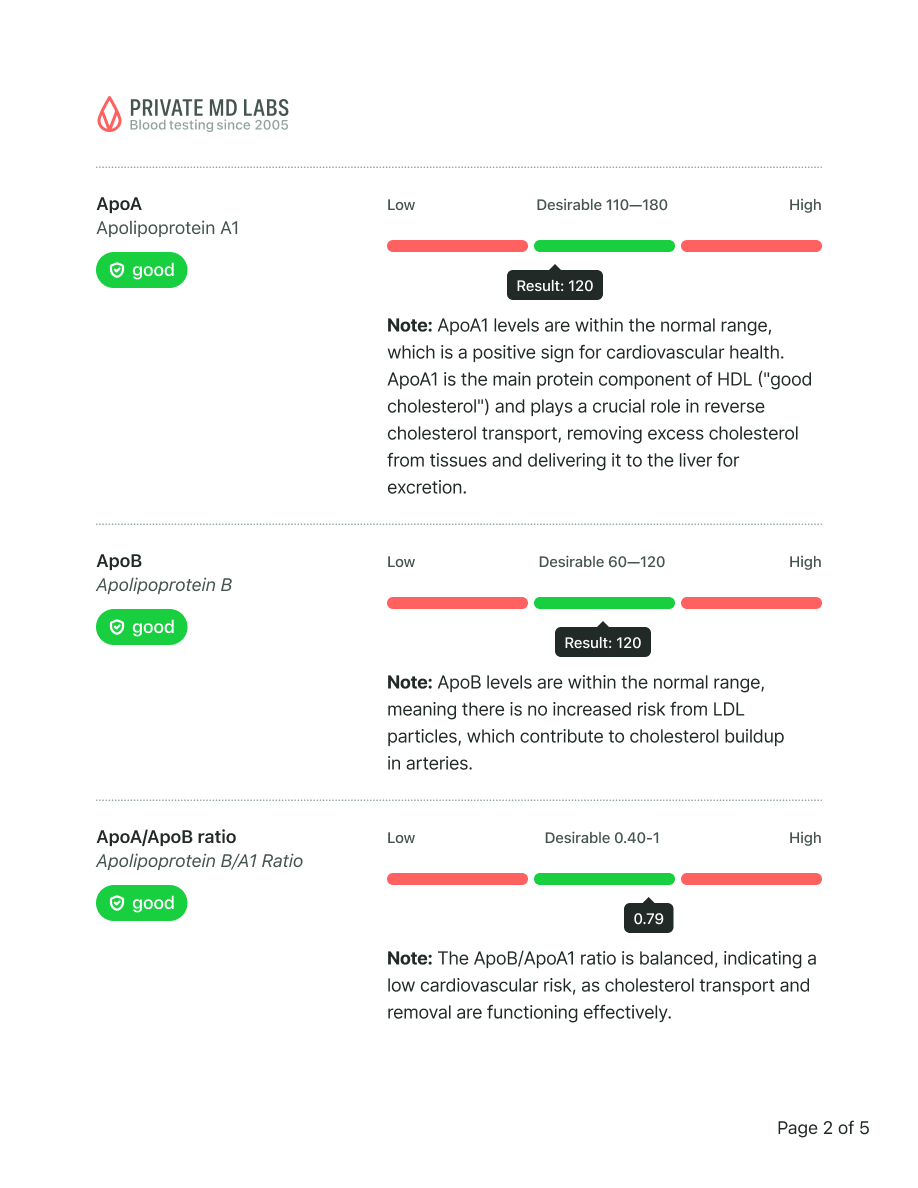
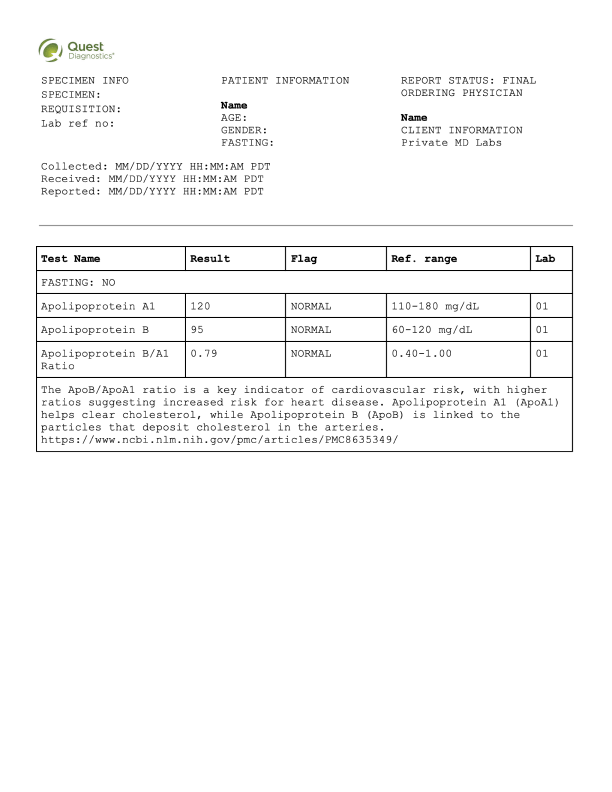
Sample results
Lesch-Nyhan syndrome is a rare genetic disorder that causes severe neurological and behavioral problems along with excessive uric acid production. It is caused by mutations in the HPRT1 gene, leading to deficiency of the enzyme hypoxanthine-guanine phosphoribosyltransferase. The Uric Acid, Serum test is the most important blood test for monitoring Lesch-Nyhan syndrome complications.
Lesch-Nyhan syndrome is caused by mutations in the HPRT1 gene, which leads to complete or near-complete deficiency of the enzyme hypoxanthine-guanine phosphoribosyltransferase (HPRT). This enzyme deficiency disrupts normal purine metabolism, causing the body to overproduce uric acid while also affecting brain chemistry and neurotransmitter function. The condition is inherited in an X-linked recessive pattern, meaning it primarily affects males, while females are typically carriers who do not show symptoms.
The Uric Acid, Serum (Gout Test) is the most important blood test for monitoring Lesch-Nyhan syndrome because it measures the characteristically elevated uric acid levels caused by the enzyme deficiency. While genetic testing of the HPRT1 gene confirms the diagnosis, regular uric acid monitoring is essential for tracking treatment effectiveness and preventing serious complications like gout, kidney stones, and bladder stones. Healthcare providers use these results to adjust medications like allopurinol, which helps reduce uric acid production and protect the kidneys from damage.
You should get tested if your child shows signs of developmental delays, unusual muscle movements, or self-injurious behaviors like biting fingers or lips, especially if they are male. Testing is also important if there is a family history of Lesch-Nyhan syndrome or unexplained high uric acid levels. For those already diagnosed, regular uric acid blood tests should be done every 3-6 months or as recommended by your healthcare provider to monitor treatment effectiveness and prevent kidney damage.
What this means
Your testosterone levels are slightly below the optimal range. While this is not necessarily cause for concern, it may contribute to occasional fatigue, reduced motivation, or lower muscle mass over time.
Recommended actions
Increase resistance or strength training
Prioritize 7–8 hours of quality sleep per night, try to reduce stress
Include more zinc- and magnesium-rich foods (like shellfish, beef, pumpkin seeds, spinach)
Consider retesting in 3–6 months
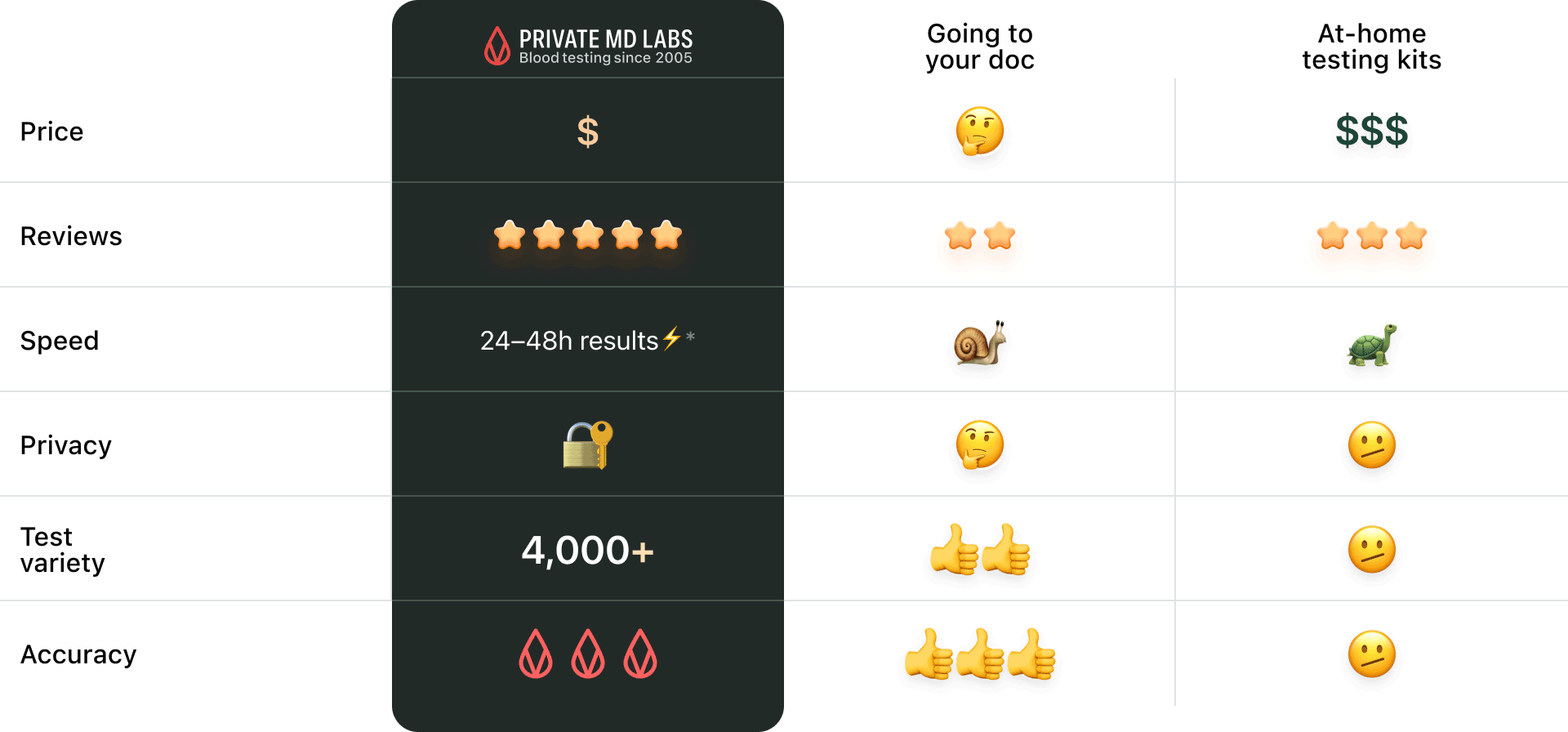
Not overhyped or overpriced. Just comprehensive blood testing made simple and for everyone.
Sample results
Your 24/7 Lab Guide
Quick questions: