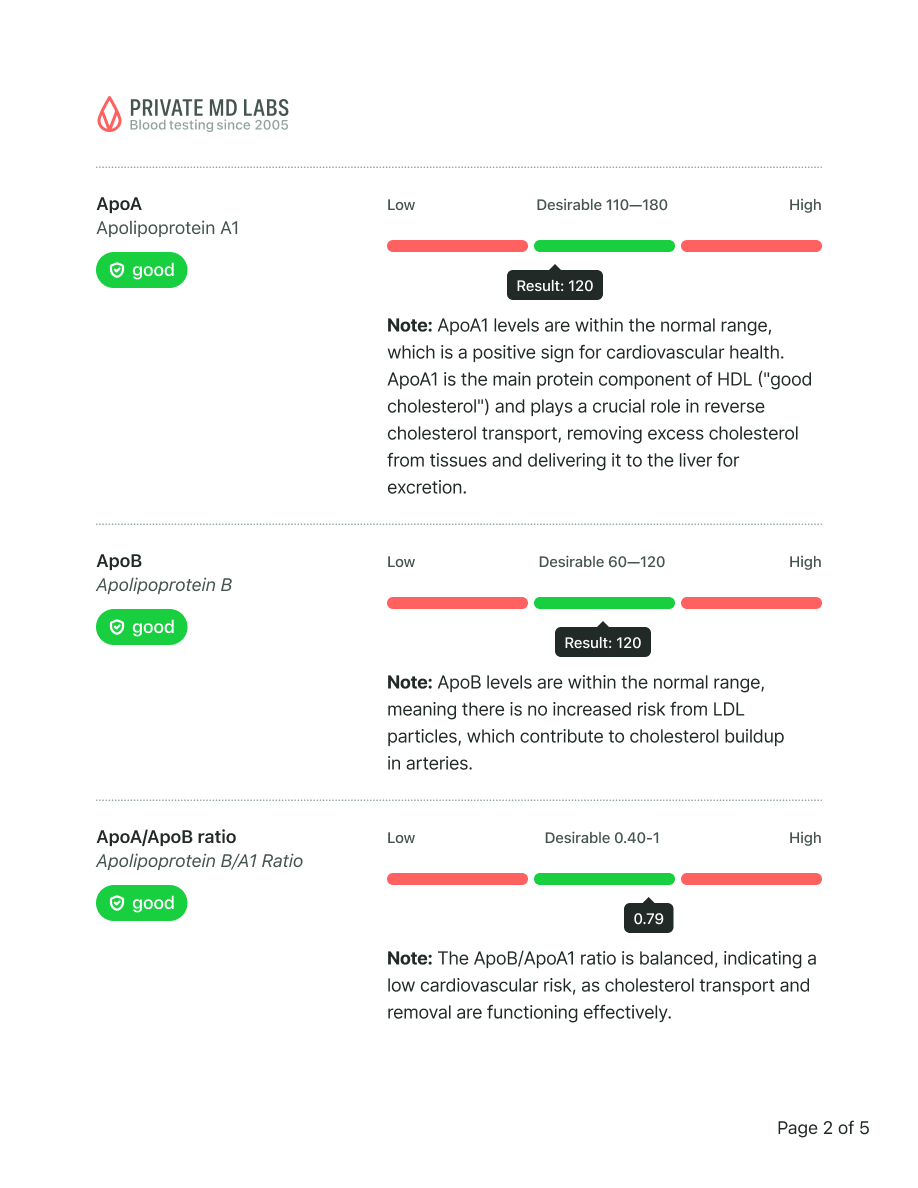
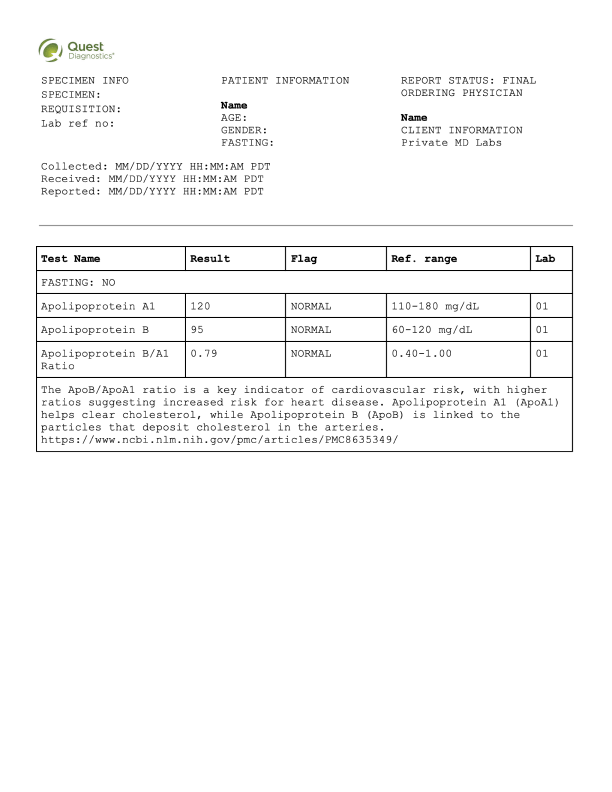
Sample results
Irritable Bowel Syndrome (IBS) is a functional gastrointestinal disorder characterized by chronic abdominal pain, bloating, and changes in bowel habits. It is caused by disrupted gut-brain communication, intestinal inflammation, and food sensitivities that trigger immune responses. The Food Specific IgG test is the most important test for identifying dietary triggers that exacerbate IBS symptoms.
IBS is caused by a combination of factors including disrupted communication between the brain and gut, intestinal inflammation, altered gut motility, and food sensitivities. Specific triggers include elevated IgG antibodies to foods like buckwheat, lima beans, dairy, and gluten that provoke immune responses in the digestive tract. Stress, hormonal changes, and imbalances in gut bacteria also contribute to symptom flare-ups, creating a cycle of abdominal pain, bloating, and irregular bowel movements.
The Food Specific IgG test is the most important test for IBS because it identifies specific foods triggering your immune system and worsening digestive symptoms. Tests like Food Specific IgG Buckwheat and Food Specific IgG Lima Bean measure antibody levels to common trigger foods, helping you pinpoint dietary culprits causing abdominal pain, bloating, and bowel changes. While IBS is diagnosed clinically based on symptoms, IgG testing provides actionable data to guide elimination diets and personalize your treatment plan, often leading to significant symptom improvement when trigger foods are removed.
You should get tested if you experience chronic abdominal pain or cramping at least one day per week for three months, along with changes in bowel frequency or stool consistency. Other signs include persistent bloating that worsens after meals, mucus in your stool, or symptoms that improve after bowel movements. Testing is especially important if you suspect certain foods trigger your symptoms, if over-the-counter treatments have not helped, or if your symptoms interfere with your daily activities and quality of life.
What this means
Your testosterone levels are slightly below the optimal range. While this is not necessarily cause for concern, it may contribute to occasional fatigue, reduced motivation, or lower muscle mass over time.
Recommended actions
Increase resistance or strength training
Prioritize 7–8 hours of quality sleep per night, try to reduce stress
Include more zinc- and magnesium-rich foods (like shellfish, beef, pumpkin seeds, spinach)
Consider retesting in 3–6 months
Not overhyped or overpriced. Just comprehensive blood testing made simple and for everyone.
Sample results
Your 24/7 Lab Guide
Quick questions: